Driver Claims She Thought She Hit Animal After Killing Pedestrian
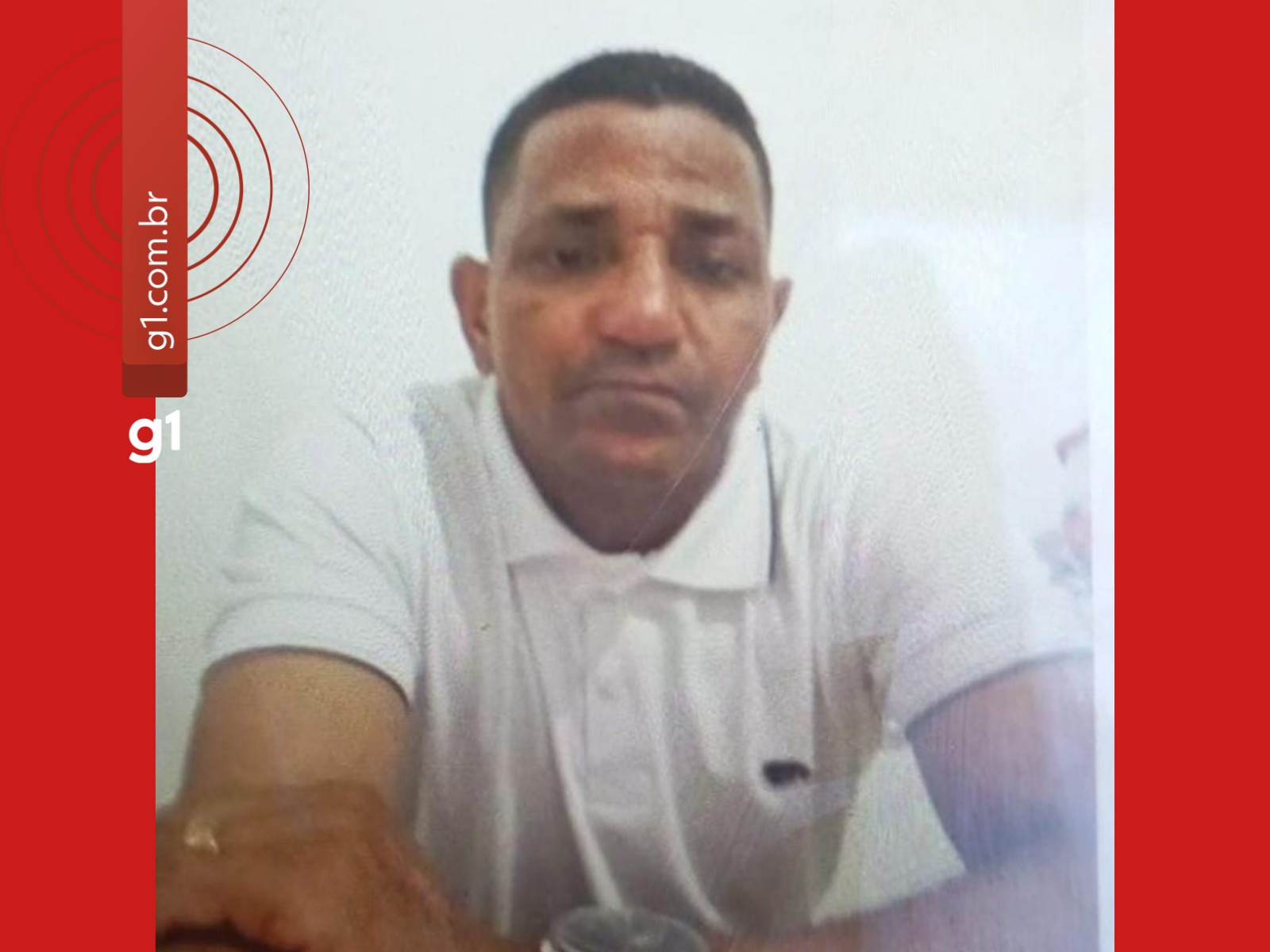
A driver in Rio Branco, Acre, Brazil, has presented herself to police after allegedly hitting and killing 54-year-old general services assistant José Maria Ferreira de Lima on his bicycle. The incident occurred on Friday, November 17th, as Lima was cycling to work. The driver, a cook, told authorities she was caring for her husband, who is undergoing cancer treatment, and had not slept well. She claims she believed she had struck an animal due to the impact and left the scene without providing aid. She only learned the victim was a person through media reports. The police are investigating the case as a vehicular homicide due to negligence, with potential penalties including jail time and license suspension. The driver has been interrogated and released, awaiting further legal proceedings. She will face the charges while free. The investigation also includes the charge of failing to render aid. The victim's son, Maurício Lima, expressed his family's expectation for accountability and potential compensation, emphasizing his father was the sole provider. The family has authorized the donation of Lima's corneas. The vehicle involved has undergone preliminary inspection, and police are awaiting forensic reports and testimony from a witness who was with Lima at the time of the accident to conclude the inquiry.
This incident highlights critical issues in urban road safety and driver accountability. The driver's claim of mistaking a person for an animal suggests a potential disconnect between perception and reality in high-stress or fatigued driving conditions. This underscores the importance of robust traffic safety education emphasizing situational awareness and the severe consequences of fleeing an accident scene, regardless of perceived cause. The legal framework addressing vehicular homicide and failure to render aid aims to balance accountability with due process, particularly when factors like personal hardship are involved. Moving forward, systemic improvements could include enhanced road infrastructure, such as better lighting and clear demarcation of pedestrian and cyclist paths, alongside public awareness campaigns on the legal and ethical obligations of drivers, especially in low-visibility or fatigue-induced scenarios. The case also raises questions about the effectiveness of immediate post-accident support for victims' families and the role of the justice system in ensuring timely communication and resolution.
AI-generated to prompt reflection — not editorial opinion, not advice, not a statement of fact. How this works.