Driver filmed drinking before fatal crash that killed a 4-year-old boy in Brazil
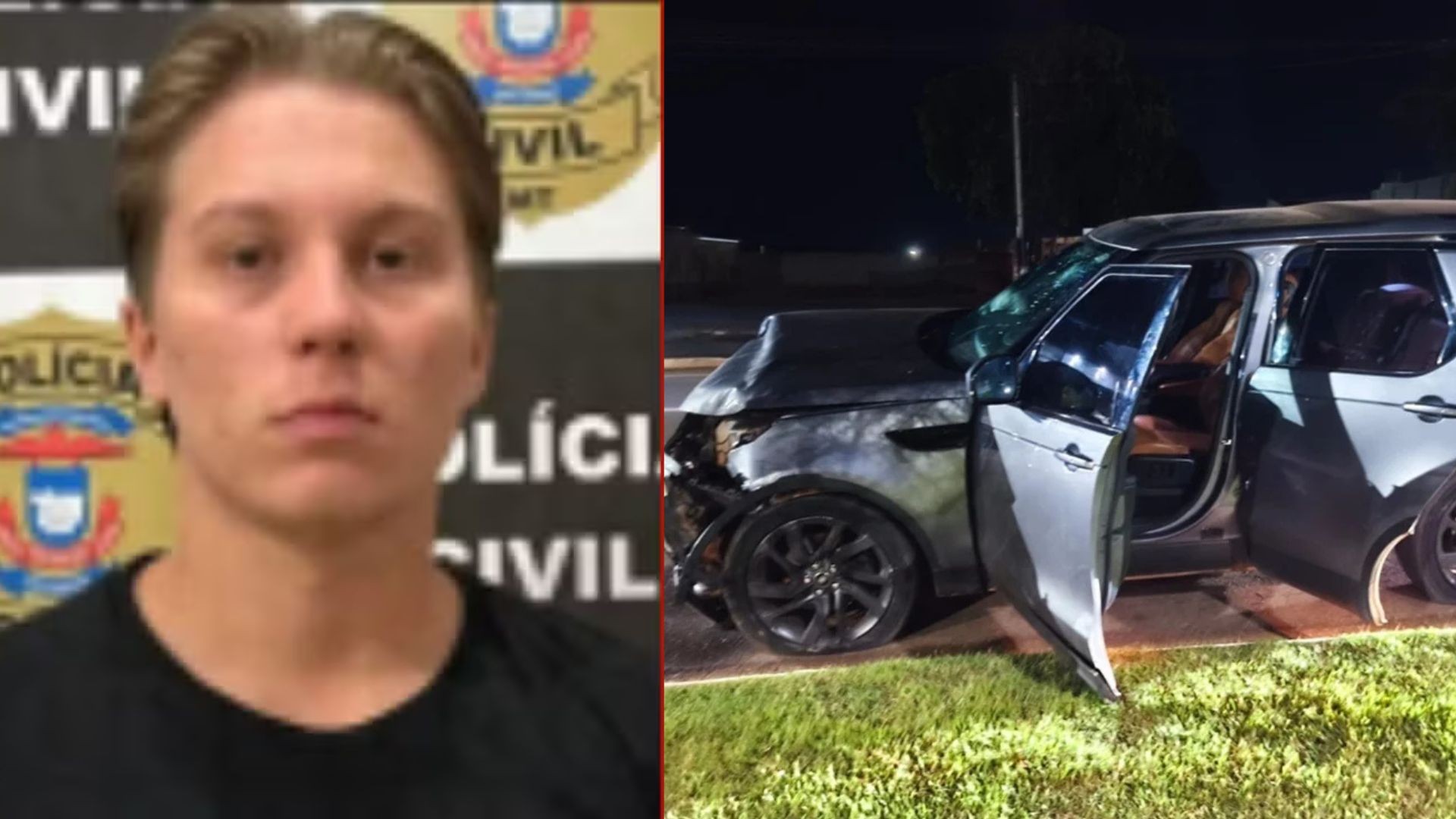
Security footage has emerged showing Gabriel Dombski Welter, the driver investigated for the death of 4-year-old Gabriel Gustavo dos Santos da Fontoura, purchasing and consuming alcoholic beverages before a fatal accident. The incident occurred on July 12 in Sorriso, Mato Grosso, Brazil. The videos capture Welter buying alcohol at a convenience store and later drinking at a bar. Surveillance footage also recorded the moment of the collision, where a luxury SUV rear-ended a passenger car, causing it to flip. Authorities allege Welter was driving the SUV and struck the car carrying the child, his mother, and stepfather. The child died from cranial trauma and multiple fractures. His mother was hospitalized but discharged the following day. Welter refused a breathalyzer test and, in a police statement, claimed he did not see the vehicle ahead. However, the gathered evidence indicates his prior alcohol consumption. On July 31, Welter was indicted by the Public Ministry for the child's death. The indictment notes that Welter's driver's license was already suspended for a previous alcohol-related offense, yet he drove after drinking again. Prosecutors also stated he was speeding at the time of the crash. Welter, 21, was arrested and his detention was converted to preventive custody.
The evidence presented suggests a tragic outcome stemming from a driver's alleged disregard for traffic laws and personal safety, particularly concerning alcohol consumption and driving. This incident highlights systemic issues related to impaired driving enforcement and the potential for repeat offenses, especially when prior suspensions are reportedly ignored. The availability of surveillance footage provides a critical, objective record of events leading up to and during the accident, offering a basis for legal proceedings and public awareness. Future considerations might involve enhanced monitoring of suspended drivers and stricter penalties for repeat offenders to deter similar future tragedies, emphasizing the societal cost of impaired driving beyond immediate legal consequences.
AI-generated to prompt reflection — not editorial opinion, not advice, not a statement of fact. How this works.