Driver Flees Accident, Sends Twin Brother to Deceive Police; Sentenced to Pay Over R$11,000
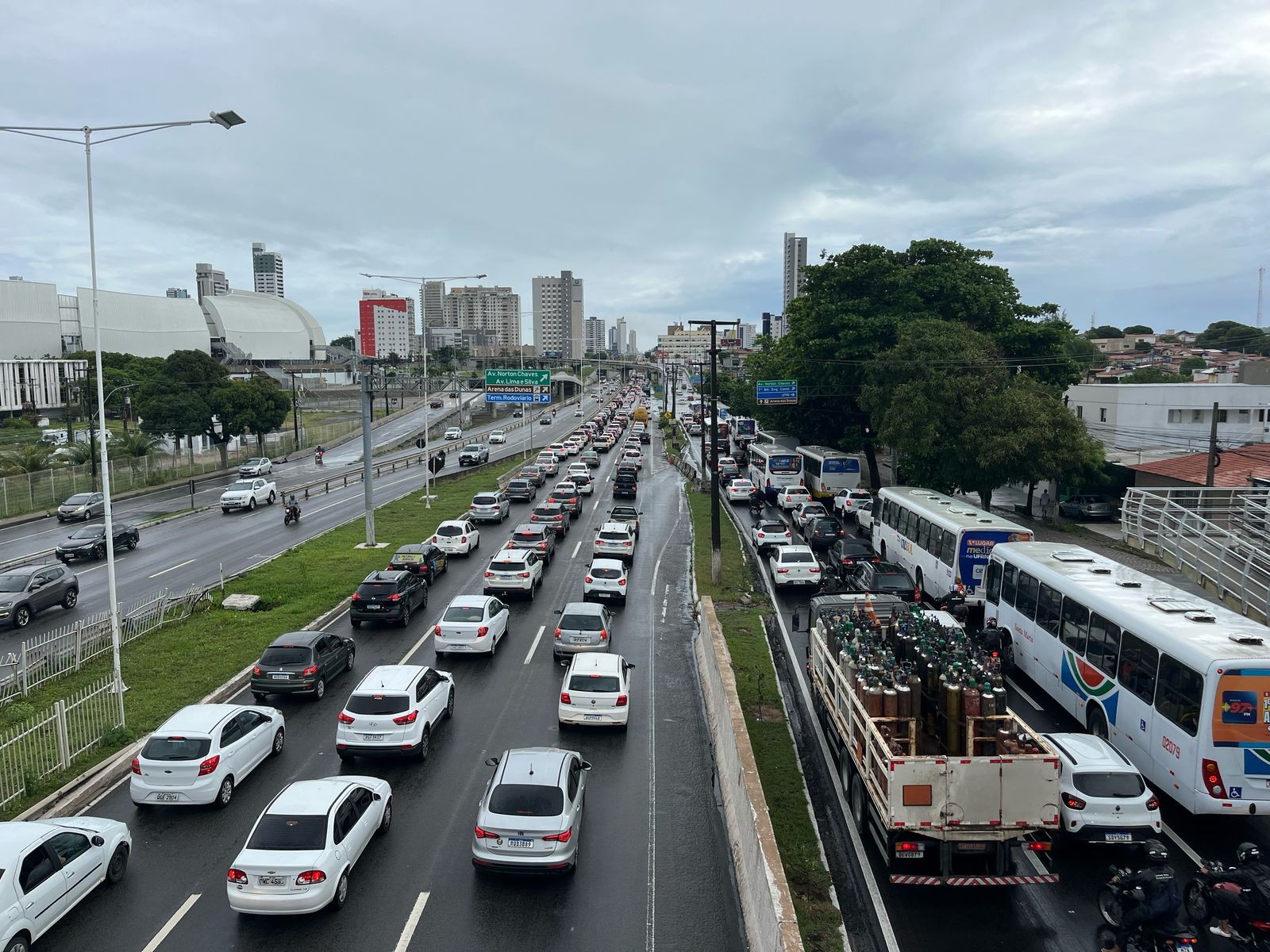
A driver in Natal, Brazil, has been ordered by the 2nd Civil Court of the capital to pay over R$11,000 in damages after causing a traffic accident and attempting to evade responsibility. The incident occurred on BR-101, near the Cidade Satélite neighborhood. According to the court proceedings, the defendant's vehicle collided with a company car. The employee driving the company vehicle reported that the defendant appeared visibly intoxicated and offered a settlement to avoid police involvement. The employee refused and contacted the Federal Highway Police (PRF). Before the PRF arrived, the at-fault driver fled the scene. Subsequently, the defendant's twin brother, wearing the same clothes, returned to the highway section to impersonate the driver and mislead the police and the victim. The deception was uncovered because the twin showed no signs of alcohol consumption and lacked the injuries sustained by the actual driver during the collision. The defendant denied the allegations in his defense, claiming he was not the driver and that the police report was a "unilateral document." The judge dismissed these arguments, citing the PRF accident report's presumption of veracity and the defendant's failure to provide evidence to refute it. The driver was ordered to pay R$7,487.61 for material damages and R$3,600.00 for lost profits, representing the cost for the company to rent a replacement vehicle.
This incident highlights a sophisticated, albeit ultimately unsuccessful, attempt to subvert legal and investigative processes through familial impersonation. The driver's actions, including fleeing the scene and orchestrating a deception, suggest a significant disregard for traffic laws and accountability. The judicial outcome underscores the reliance on official documentation, such as PRF accident reports, as evidence with inherent veracity, particularly when opposing parties fail to present counter-evidence. This case also implicitly raises questions about corporate fleet management and driver responsibility, as the lost profits awarded relate to the operational continuity of the plaintiff's business. Looking ahead, the increasing sophistication of identification technologies, including biometrics and advanced vehicle data logging, may render such deceptive tactics increasingly difficult to execute in the future, potentially strengthening enforcement mechanisms.
AI-generated to prompt reflection — not editorial opinion, not advice, not a statement of fact. How this works.