Driver Indicted for Homicide After Fatal DUI Accidents in Mineiros, Goiás
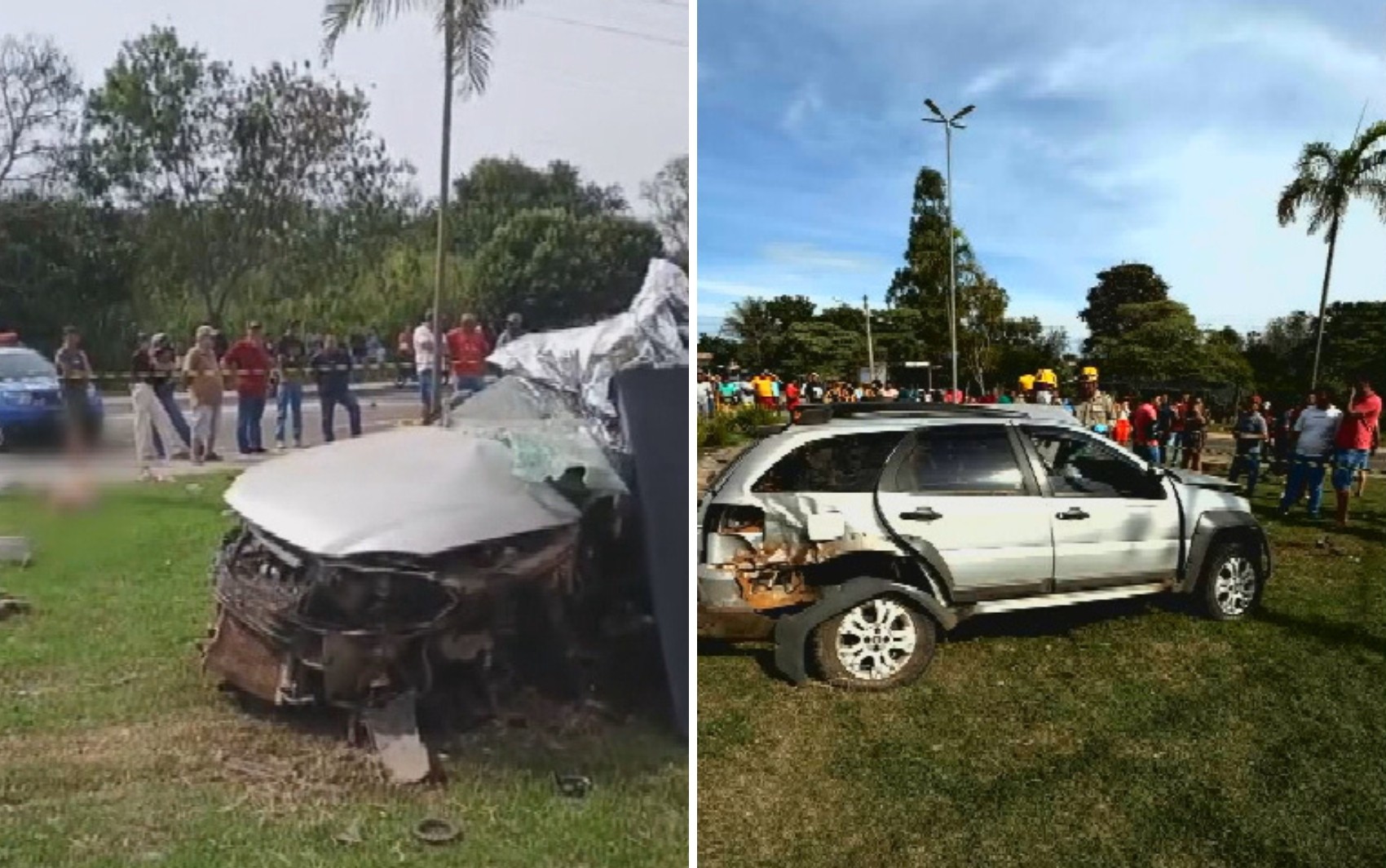
Civil Police in Mineiros, Goiás, have concluded their investigation into two consecutive accidents that resulted in three fatalities, indicting 52-year-old Lucinário Nunes Ataíde. Ataíde faces charges of eventual intent homicide and driving under the influence. The investigation indicates that Ataíde consumed significant amounts of cachaça shortly before driving his pickup truck. A bar owner corroborated that Ataíde drank alcohol before leaving the establishment. Police reports suggest Ataíde was traveling at speeds exceeding 120 km/h within the city limits. A breathalyzer test administered by Military Police registered 1.05 milligrams of alcohol per liter of exhaled air, well above the legal limit for a traffic offense. Ataíde has been detained since July 12, the date of the incidents. The scientific police's forensic reports are still pending. The case has been transferred to the 2nd Criminal Court of Mineiros, where the Public Ministry will decide whether to file charges. The sequence of events began with Ataíde allegedly hitting and killing 72-year-old José Henrique Primo on Avenida Contorno and fleeing the scene. During his escape, he collided with the rear of a vehicle carrying 39-year-old Claudiney de Oliveira Rodrigues and his 13-year-old son, Breno Kauã Pereira da Frota Rodrigues, both of whom died at the scene. The collision was so severe that both vehicles ended up on a plaza's median. Ataíde was arrested at the scene on the same day.
This incident highlights the severe consequences of impaired driving, particularly when combined with excessive speed and reckless behavior. The legal process, from police investigation to potential prosecution, aims to establish accountability for the loss of life. From a systemic perspective, the case underscores the ongoing challenge of enforcing traffic laws and deterring drunk driving, even with established legal frameworks and penalties. Future considerations may involve evaluating the effectiveness of current enforcement strategies, public awareness campaigns, and the accessibility of support for individuals struggling with alcohol dependency. The intersection of personal choices, regulatory oversight, and societal safety remains a critical area for continuous improvement in preventing such tragedies.
AI-generated to prompt reflection — not editorial opinion, not advice, not a statement of fact. How this works.