Driver Indicted for Homicide After Fatal Itabaiana Crash
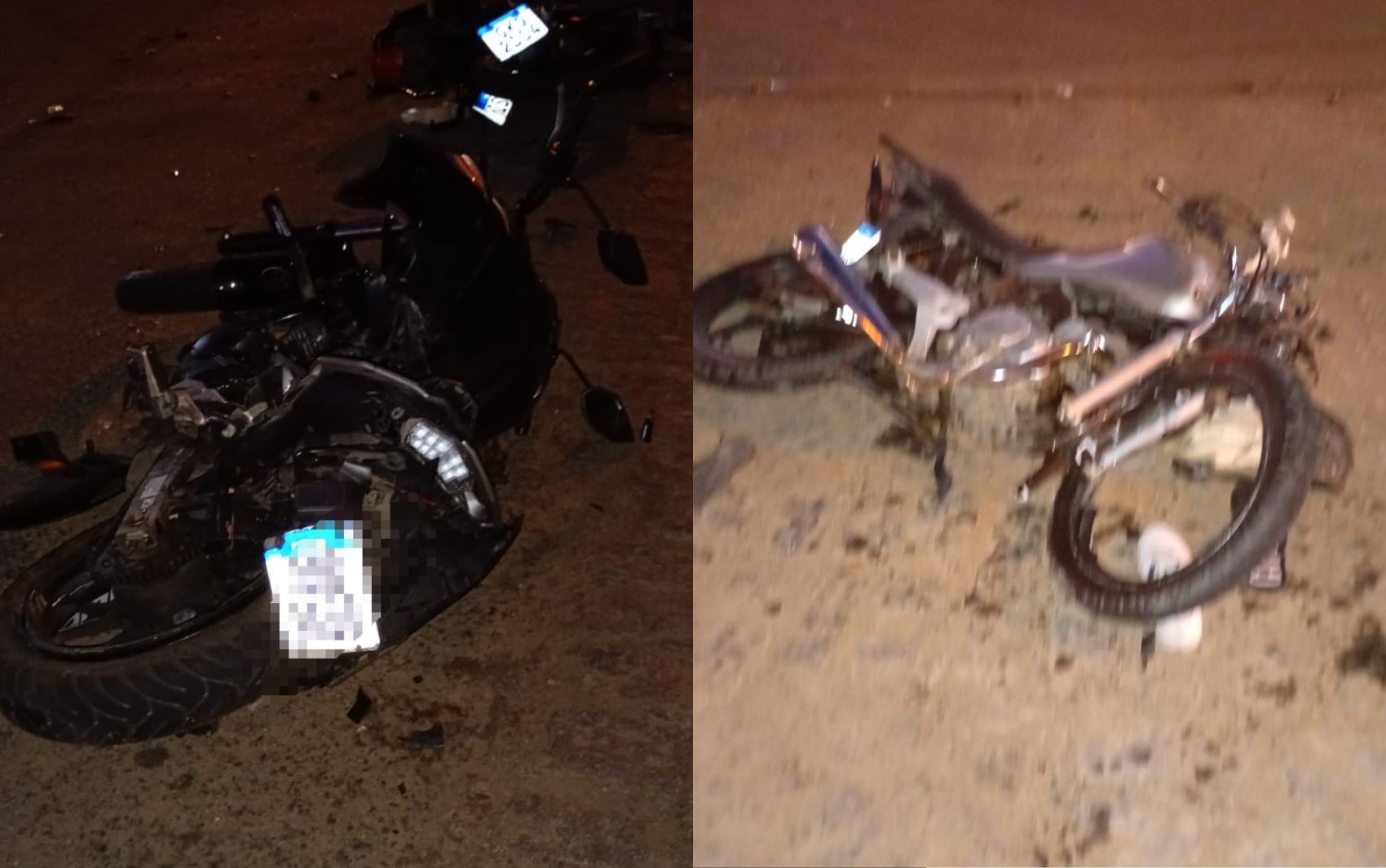
A driver who caused a fatal accident resulting in two deaths in Itabaiana has been indicted for intentional homicide, specifically "dolo eventual," which implies assuming the risk of killing. The victims were identified as 22-year-old Nathanael Santos Menezes and 33-year-old Emerson de Oliveira Silva. The suspect, who is currently in preventive detention, will also face charges for driving under the influence of alcohol, driving without a license, and attempting to flee the scene. Police investigations revealed that the driver was intoxicated, with an alcoholic beverage bottle found in his vehicle. Furthermore, he was confirmed to be unlicensed. Evidence, including witness testimonies and surveillance footage, indicated the driver was speeding and executed an improper and dangerous overtaking maneuver. Forensic reports corroborated that the suspect failed to exercise necessary caution on the road, leading to the collision. The completed investigation file will be submitted to the Judiciary and the Public Prosecutor's Office of Sergipe for a decision on criminal charges.
This incident highlights the severe consequences of impaired and reckless driving. The indictment for intentional homicide, based on "dolo eventual," underscores the legal system's recognition that actions demonstrating a disregard for human life can carry the same weight as direct intent. The combination of alcohol consumption, lack of a license, speeding, and an illegal overtake points to a pattern of behavior that created an unacceptable risk. Moving forward, such cases emphasize the need for robust enforcement of traffic laws, effective public awareness campaigns on the dangers of drunk driving, and potentially stricter penalties for repeat offenders or those exhibiting extreme recklessness. The integration of advanced driver-assistance systems and improved road infrastructure could also play a role in mitigating future tragedies by reducing opportunities for human error.
AI-generated to prompt reflection — not editorial opinion, not advice, not a statement of fact. How this works.