Driver's arrest becomes pre-trial detention after fatal Itabaiana crash
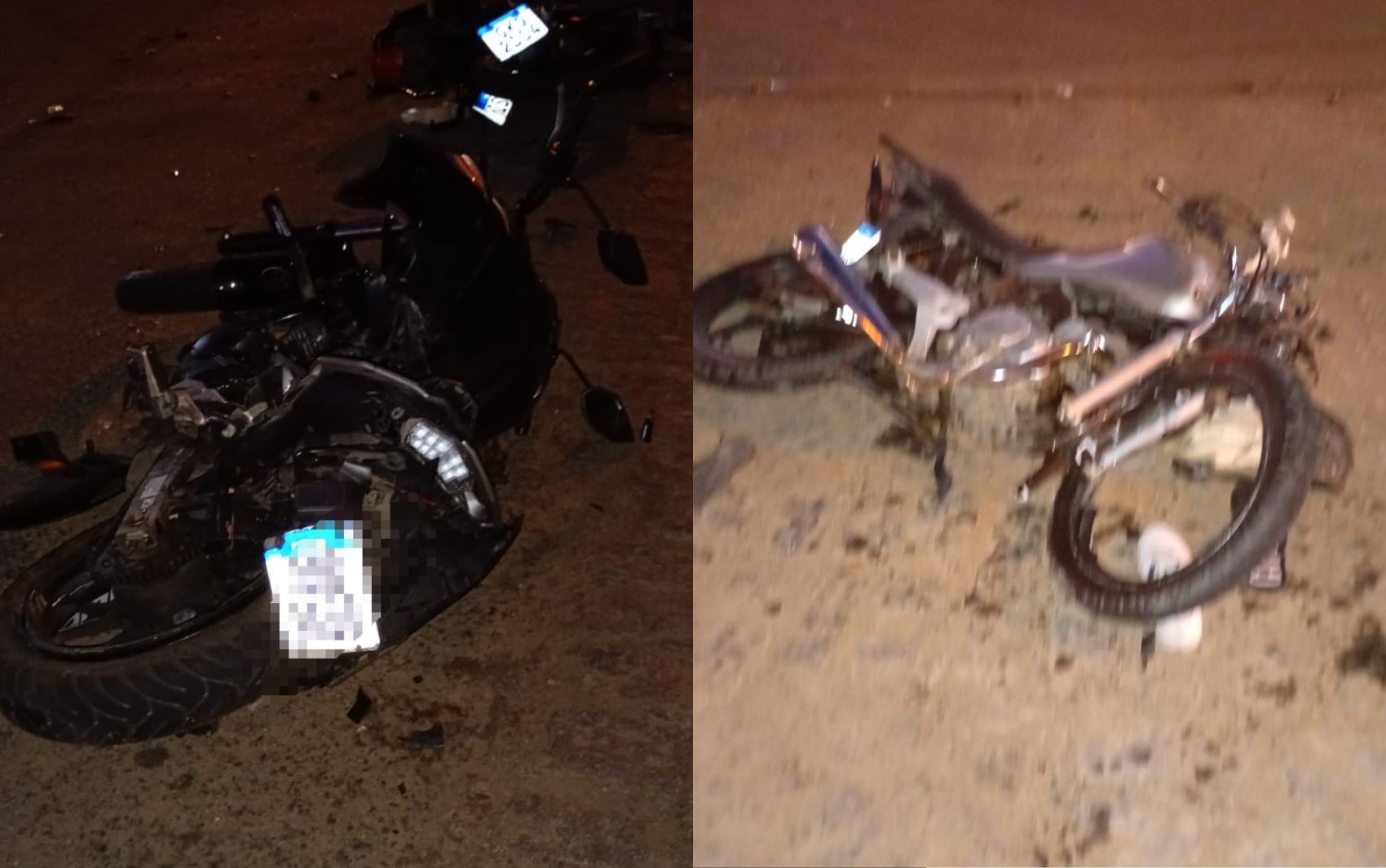
The driver involved in a collision that resulted in the deaths of two motorcyclists on the SE-170 highway in Itabaiana, Brazil, has had his arrest converted to pre-trial detention. The custody hearing on Monday, May 6th, saw the judicial classification of the crime change from negligent homicide to intentional homicide, acknowledging that the driver assumed the risk of causing death. The victims were identified as Wemenson de Oliveira Silva, 33, and Natanael Santana Meneses, 22. The head-on collision occurred on Sunday, May 5th, when the motorcyclists were traveling towards Moita Bonita and were struck by the suspect's car. One motorcyclist died at the scene, while the other, who was attended by emergency medical services and taken to a hospital, later succumbed to his injuries. The driver is also facing charges for driving under the influence of alcohol and driving without a license. Wemenson de Oliveira Silva is survived by his wife and child; his wake was held on Monday morning in Nossa Senhora do Socorro, with burial planned for the afternoon in Lagarto. Natanael Santana Meneses' wake and burial are taking place in Itabaiana. The driver's defense team could not be reached for comment.
This incident highlights the critical intersection of impaired driving, unlicensed operation, and severe consequences. The judicial reclassification from negligent to intentional homicide reflects a legal framework that holds individuals accountable for the foreseeable risks associated with actions like driving while intoxicated and without a license. Such events underscore the societal imperative for robust enforcement of traffic laws and effective public awareness campaigns regarding the dangers of impaired and unlicensed driving. Looking ahead, the integration of advanced driver-assistance systems and stricter licensing protocols could mitigate future occurrences, while also prompting discussions on the efficacy of current penalties in deterring such high-risk behaviors.
AI-generated to prompt reflection — not editorial opinion, not advice, not a statement of fact. How this works.