Driver Suspected of Fatally Striking Athlete in São Paulo Interior Testifies to Police
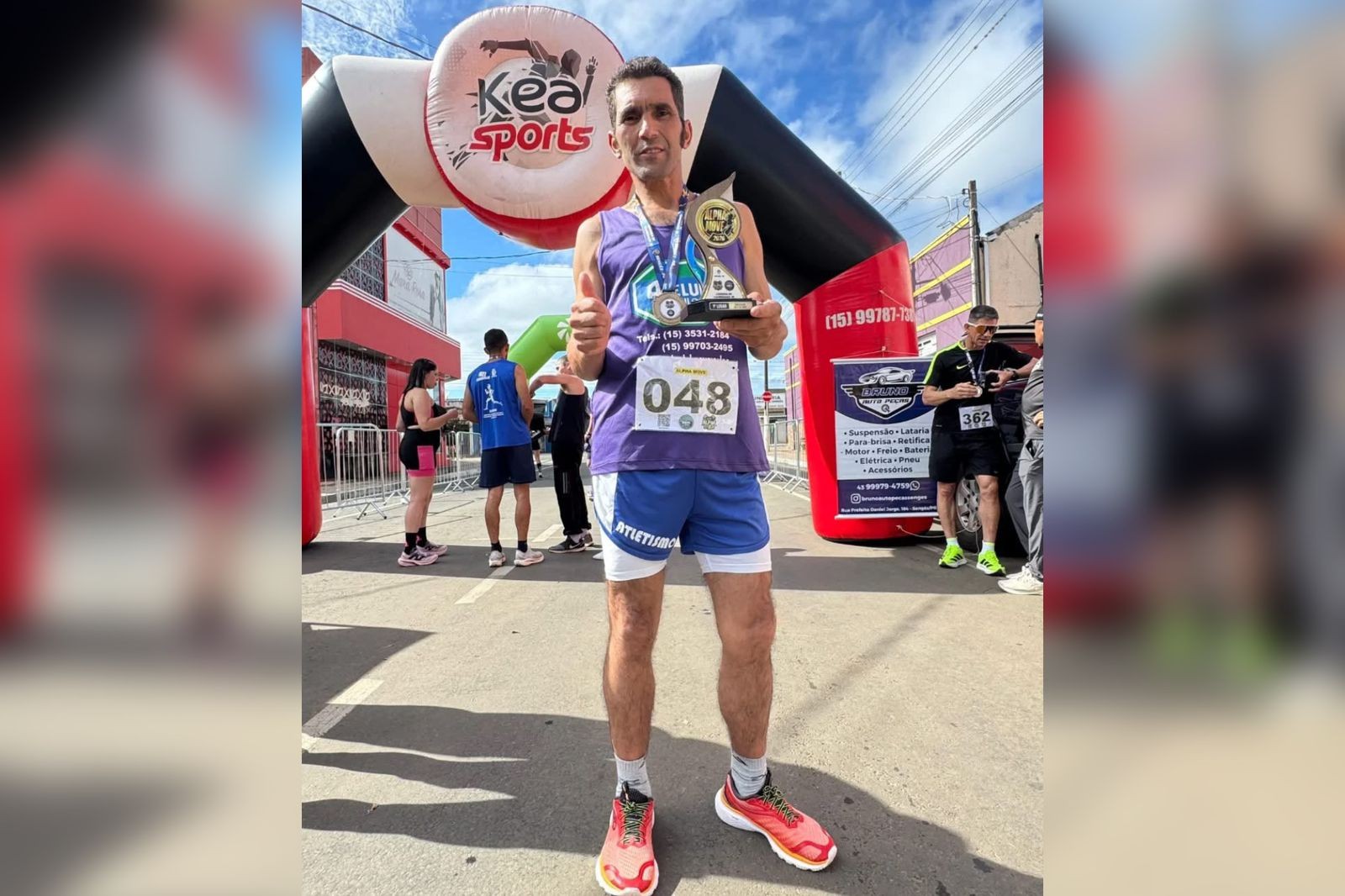
The driver suspected of hitting and killing athlete André de Melo Gallo, 52, in Bom Sucesso de Itararé, São Paulo, presented himself to the police and gave a statement on Monday afternoon, June 6th. The investigation is ongoing, and the information was confirmed by the suspect's defense to TV TEM. The driver had fled the scene without providing aid and had not been identified by authorities until his voluntary appearance. Following his testimony, the driver was released. André de Melo Gallo was running on a road on Saturday afternoon, June 4th, when he was struck by the vehicle. Witnesses provided initial assistance and took him to a local health facility. Due to the severity of his injuries, he was transferred to the Santa Casa de Itapeva, but he succumbed to his wounds during the early hours of Sunday, June 5th. The Military Police investigated the incident and confirmed the driver's flight. The case has been registered at the Itararé police station as leaving the scene of an accident and negligent homicide while driving a motor vehicle. André de Melo Gallo was the founder of Equipe Gallo and a significant promoter of street running in the region. The Bom Sucesso de Itararé City Hall issued a statement mourning his loss, remembering him as a "warrior" who represented the city with "grit, determination, and humility," leaving an unforgettable legacy for sports enthusiasts.
This incident highlights the critical intersection of road safety and community impact, particularly in regions where athletic pursuits are deeply integrated into local identity. The driver's initial flight and subsequent voluntary testimony raise questions about accountability and the legal processes designed to address such tragic events. Future considerations may involve enhanced enforcement of hit-and-run statutes and the potential for community-based initiatives to promote driver awareness and responsibility, especially in areas with high pedestrian and cyclist activity. The long-term implications extend to how local governments and sports organizations can collaborate to foster safer environments for athletes and recreational participants, balancing the growth of community sports with the imperative of public safety infrastructure.
AI-generated to prompt reflection — not editorial opinion, not advice, not a statement of fact. How this works.