Driver who killed woman with runaway car arrested for drug trafficking
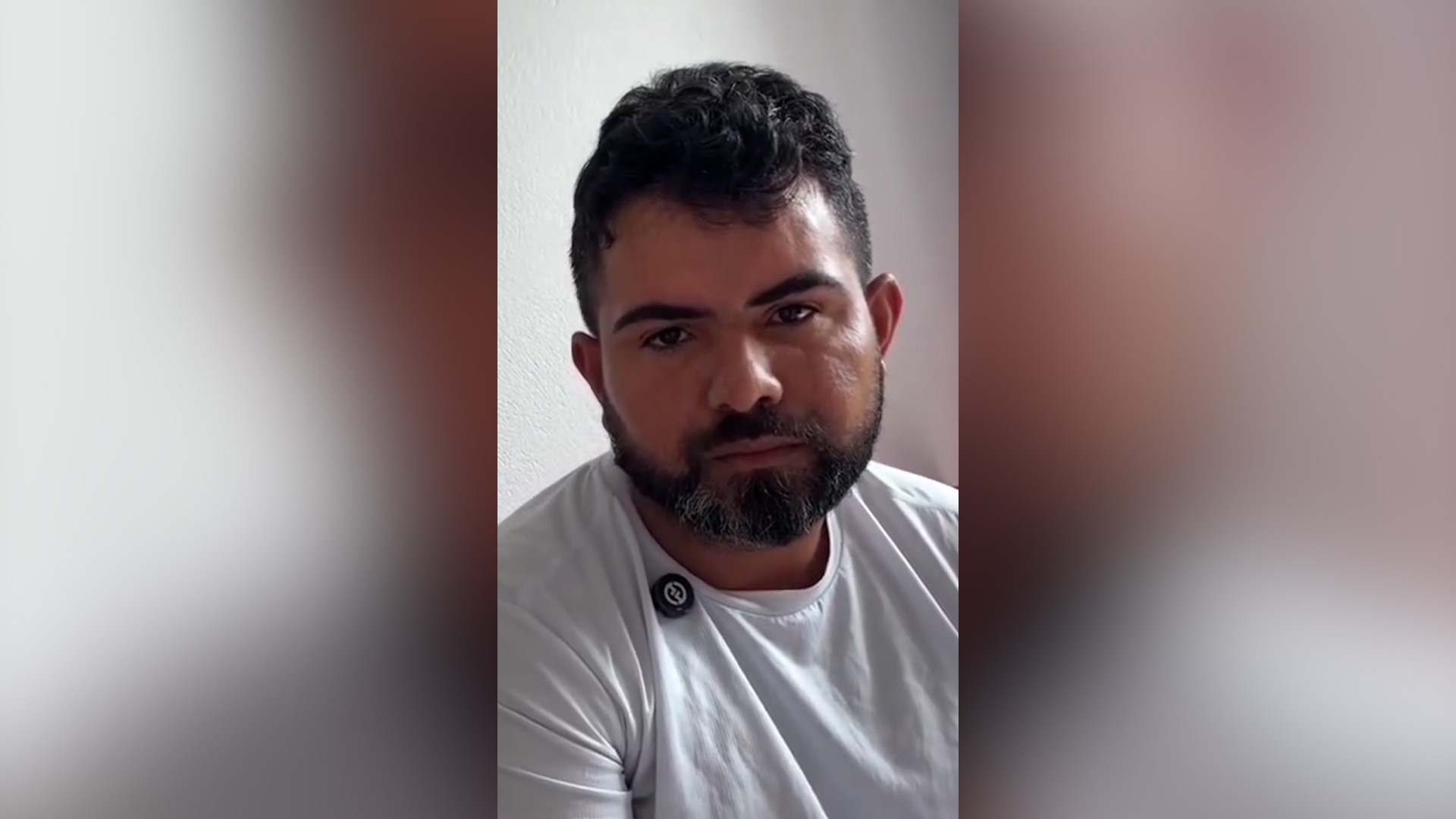
Luis Paulo Braga da Silva, 36, known as 'Paulinho', has been arrested in Raposa, Maranhão, Brazil, on charges of drug trafficking and illegal firearm possession. This arrest occurred on July 19, separate from a previous incident where he was involved in a fatal pedestrian accident. On July 9, Silva was driving a vehicle that struck and killed 60-year-old Anayldes Gouveia Ribeiro. According to investigators, Silva parked the car in front of a bakery, leaving the engine running, the transmission in neutral, and the handbrake improperly engaged. The vehicle then rolled down MA-203, known as Estrada da Raposa, and hit Ribeiro, who was waiting at a bus stop. Ribeiro died en route to the hospital. A six-year-old child in the passenger seat was unharmed. Silva had previously presented himself to the police for the fatal accident and was cooperating while investigations continued. The current arrest by the Municipal Guard occurred during a patrol in an area known as Estrada da Raposa. During the apprehension, Silva and another individual were found, and one attempted to discard evidence, including a firearm. The Municipal Public Security Secretary confirmed Silva's involvement in the fatal accident and the attempt to discard the weapon. The Civil Police stated that the drug trafficking and illegal firearm charges are distinct from the ongoing investigation into Ribeiro's death. The investigation into the fatal accident, currently classified as vehicular manslaughter, awaits a crucial forensic report. The police anticipate concluding this inquiry within approximately 30 days, after which the case will be forwarded to the judiciary.
The arrest of Luis Paulo Braga da Silva on drug and weapons charges, while he is already under investigation for a fatal traffic incident, highlights potential systemic issues in law enforcement and judicial processes. The incident involving Anayldes Gouveia Ribeiro's death, caused by a vehicle left improperly secured, points to a critical lapse in driver responsibility and adherence to basic safety protocols. The subsequent arrest for unrelated criminal activities raises questions about the individual's broader engagement with the law and the effectiveness of pre-existing monitoring or intervention strategies. This situation underscores the importance of robust investigative procedures that can concurrently address multiple alleged offenses and ensure accountability, regardless of their nature. Moving forward, examining the efficacy of traffic safety regulations and enforcement, alongside the judicial handling of concurrent criminal investigations, will be crucial for preventing future tragedies and reinforcing public trust in the justice system.
AI-generated to prompt reflection — not editorial opinion, not advice, not a statement of fact. How this works.