Driver Who Received $131 Million Mistakenly Seeks Reward and Damages
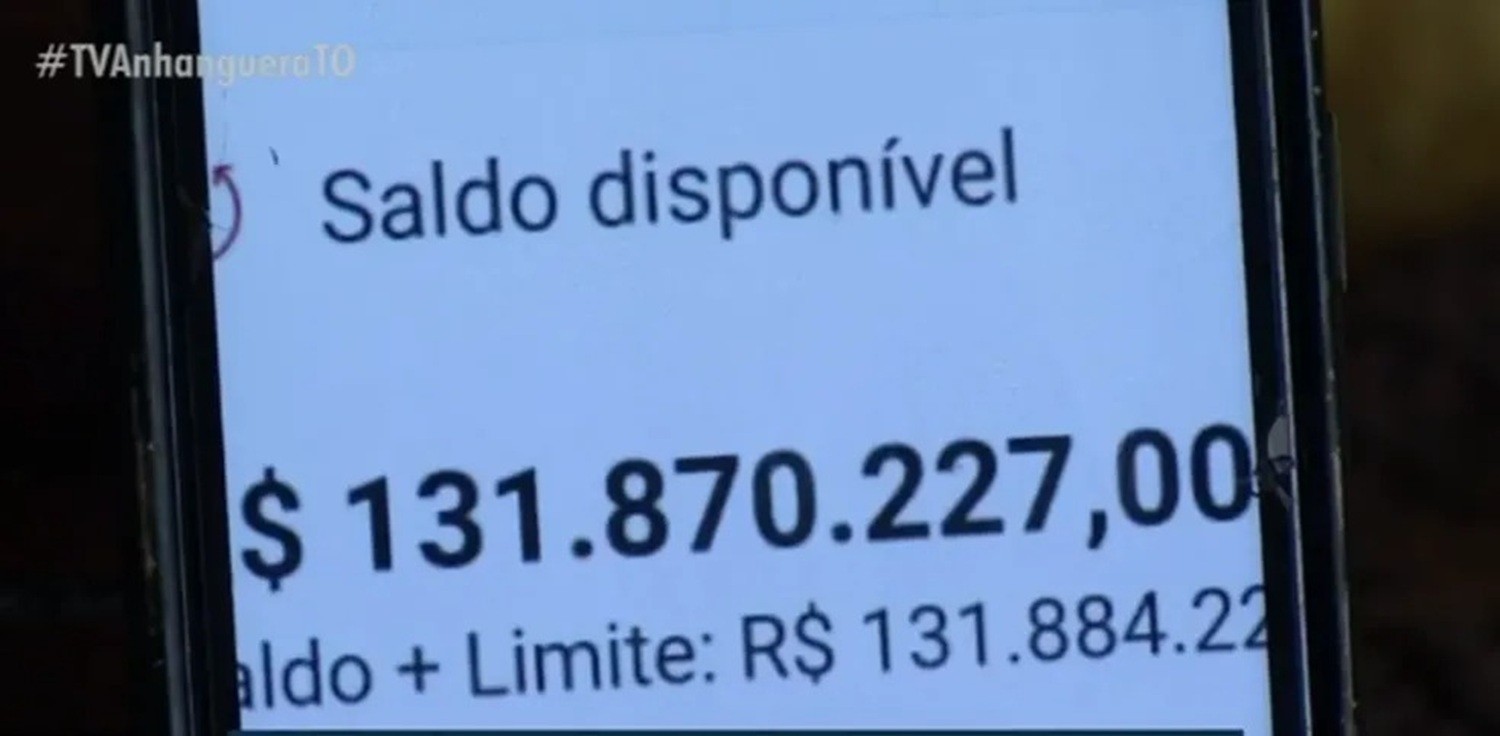
Antônio Pereira do Nascimento, a driver, is seeking legal compensation after mistakenly receiving R$ 131.8 million in his bank account in 2023. After promptly returning the entire sum, Nascimento is now pursuing a reward and damages for moral distress, citing an interpretation of the Civil Code that potentially entitles finders of lost property to compensation. The core of his legal argument rests on whether a erroneous bank transfer can be legally classified as a 'lost item' under Articles 1,233 and 1,234 of the Civil Code. These articles stipulate that discoverers of lost property are entitled to a minimum 5% reward and reimbursement for any expenses incurred in its preservation or transport.
Legal experts, like lawyer Vivian Furukawa, note that this case presents a rare judicial debate about applying property law to digital financial transactions. Furukawa explained that the law distinguishes between finding physical items, where the owner is unknown and active searching is required, and receiving erroneous digital transfers, where the sender is traceable and the bank can often reverse the transaction as an accounting correction. Nascimento's claim, requesting 10% of the returned amount (R$ 13 million), hinges on the court equating the accidental deposit to a 'lost thing.'
This peculiar case could establish new legal precedent for how virtual 'finds' are treated in the digital age. Beyond the reward, Nascimento also claims psychological pressure from his bank manager and undue charges due to his account being classified as VIP, further fueling his claim for moral damages. The legal process is ongoing, with a recent judicial decision dismissing an appeal on procedural grounds, leaving the main claims yet to be adjudicated. Nascimento had plans to use the funds for home renovations and purchasing a van for his work, but refrained from doing so pending the legal outcome.
This case highlights the evolving challenges of applying established legal principles, such as those governing found property, to the digital financial realm. The central dispute hinges on whether an erroneous bank transfer constitutes a 'lost item' in the legal sense, a distinction with significant implications for financial institutions and individuals. The court's eventual ruling could set a precedent for how such digital discrepancies are handled, potentially impacting future cases involving accidental electronic fund transfers. It raises questions about the legal framework's adaptability to technological advancements and the differing responsibilities of senders, recipients, and financial intermediaries in correcting errors. The case also touches upon the psychological impact of sudden wealth and subsequent financial uncertainty, underscoring the need for clear legal recourse and support mechanisms.
AI-generated to prompt reflection — not editorial opinion, not advice, not a statement of fact. How this works.