Driver Who Returned $26 Million Returns to Court Seeking Reward
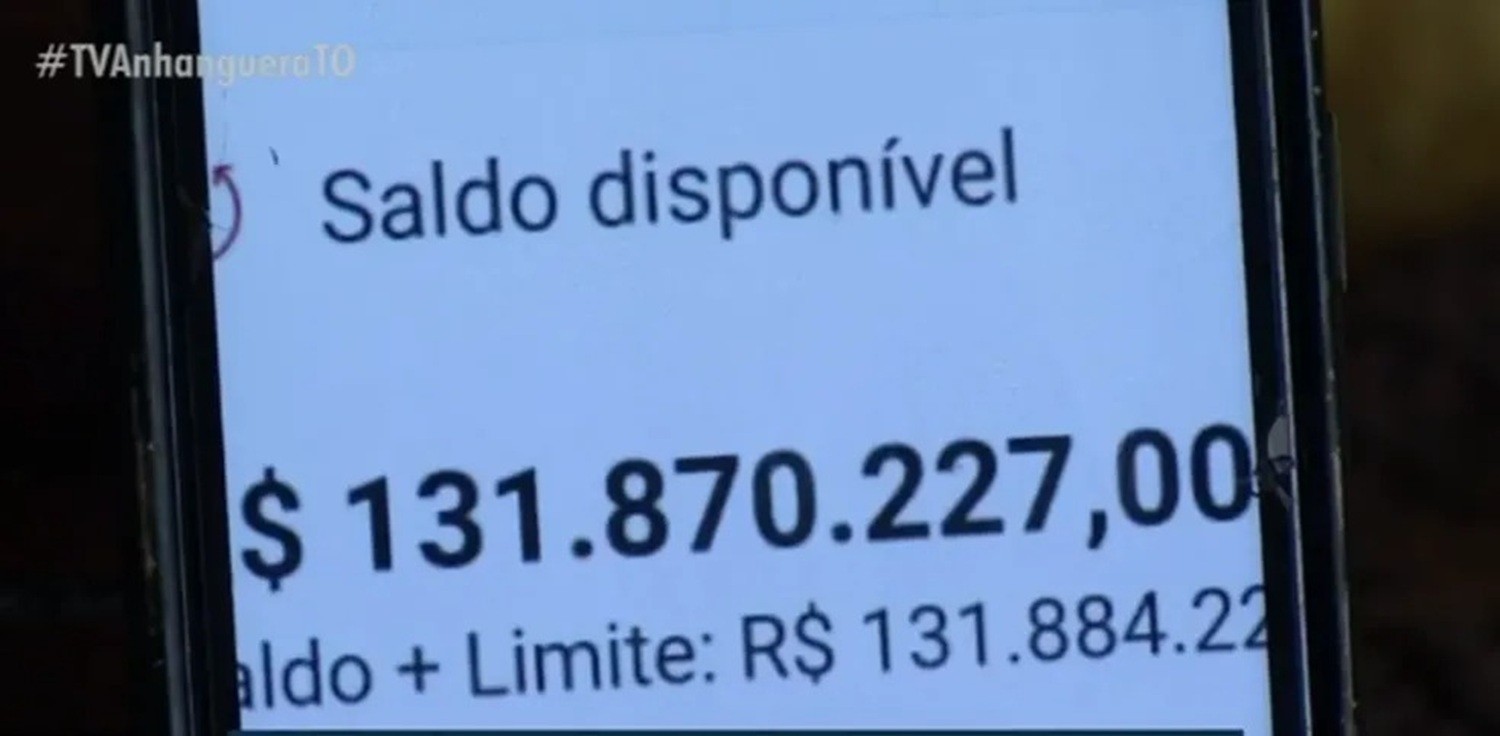
Three years after returning R$ 131.8 million (approximately $26 million USD) deposited into his account in error by Bradesco bank, driver Antônio Pereira do Nascimento states his life has not changed. He continues to work as a driver to support his family, maintaining the same financial situation. The incident occurred in June 2023 when Nascimento discovered the erroneous deposit, which remained in his account for about seven hours before he contacted the bank and returned the entire sum. Despite his honesty, Nascimento claims he has faced psychological pressure from the bank manager and undue charges due to his account being classified as VIP. Consequently, he has filed a lawsuit against Bradesco, seeking a reward under the Civil Code for returning found property. He is requesting 10% of the returned amount, around R$ 13 million (approximately $2.6 million USD), plus R$ 150,000 for moral damages. Nascimento had plans to renovate his home and purchase a van for his work, which he could not do after returning the money. The legal process has been ongoing since July 2024, with a judge deeming the case ready for judgment in March of this year. Nascimento's defense has filed an appeal for clarification, which is currently under review. The Court of Justice of Tocantins confirmed the process is within legal timelines, while Bradesco declined to comment on the ongoing case.
This case highlights the tension between legal frameworks for rewarding finders of lost property and the practical realities of banking errors. While Mr. Nascimento's act of honesty is commendable, his subsequent financial struggles and alleged mistreatment by the bank raise questions about institutional accountability and the adequacy of existing legal recourse for individuals in such situations. The legal battle for a reward, framed as a 'right of recompense,' underscores a potential systemic gap where significant financial errors by institutions do not automatically translate into commensurate benefits for the honest citizen, potentially creating disincentives for ethical behavior. The protracted legal process and the bank's non-commentary suggest a complex interplay of financial risk management and corporate policy, prompting consideration of whether clearer regulatory guidelines are needed to address large-scale accidental deposits and ensure fair outcomes for all parties involved in the digital age.
AI-generated to prompt reflection — not editorial opinion, not advice, not a statement of fact. How this works.