Driver with Suspended License, Previously Cited for Drunk Driving, Arrested in Fatal Crash
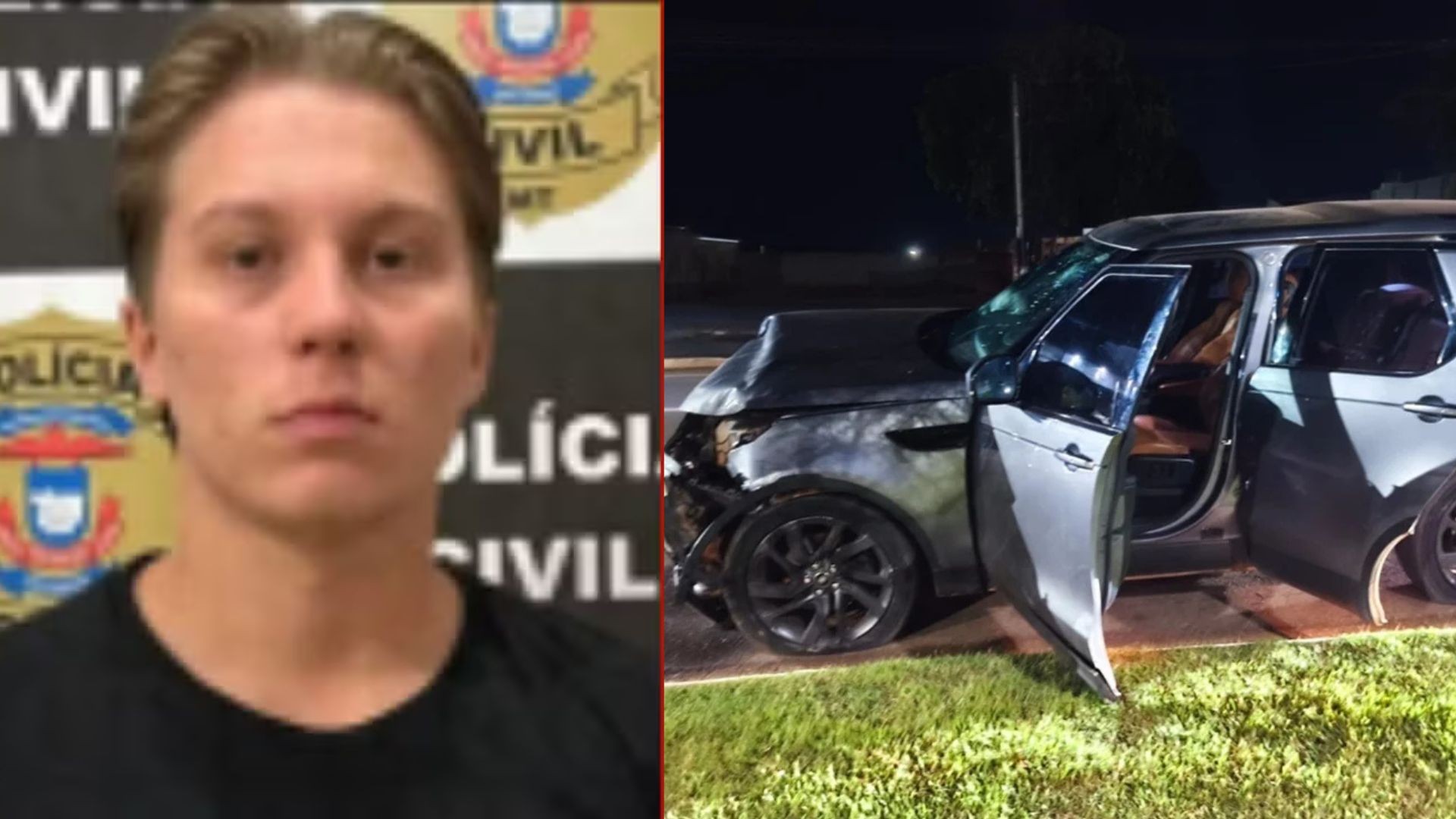
A 21-year-old man, Gabriel Dombski Welter, has been arrested and had his pre-trial detention upheld following a fatal accident in Sorriso, Mato Grosso, Brazil. The crash resulted in the death of a 4-year-old boy, Gabriel Gustavo dos Santos da Fontoura, who suffered a severe head injury and multiple fractures. The court's decision to maintain Welter's detention was based on the discovery that his driver's license had been suspended for three months due to a previous drunk driving offense in May 2025. His license suspension officially began in April 2026. The judge noted that Welter was allegedly driving at high speed and possibly under the influence of alcohol again at the time of the fatal collision, demonstrating a pattern of disregard for traffic laws and a risk of reoffending. This incident is not considered isolated, as official records indicate prior warnings, fines, and penalties for drunk driving. The court deemed Welter's continued driving with a suspended license, coupled with the circumstances of the fatal crash, as justification for his continued detention to preserve public order and prevent further risk to others. Security footage shows Welter's luxury vehicle colliding with the rear of the family's car, causing it to spin and be ejected several meters. Welter remained at the scene and is cooperating with investigators, though he refused a breathalyzer test and was arrested. He stated he did not remember his speed and claimed he did not see the other car until it was too late.
This incident highlights a critical failure in traffic law enforcement and judicial oversight, where repeated offenses, including driving under the influence and operating a vehicle with a suspended license, tragically culminate in a fatality. The legal system's response, while focused on public safety and preventing recidivism through pre-trial detention, raises questions about the efficacy of prior penalties in deterring dangerous behavior. Future policy considerations might explore enhanced monitoring for individuals with suspended licenses, stricter enforcement of DUI laws, and potentially more robust rehabilitation programs. The case underscores the systemic challenge of balancing individual liberties with collective safety, particularly when drivers demonstrate a persistent disregard for regulations that protect all road users, especially vulnerable populations like children. The long-term implications involve not only justice for the victim's family but also a broader societal imperative to strengthen traffic safety frameworks against recurring patterns of reckless conduct.
AI-generated to prompt reflection — not editorial opinion, not advice, not a statement of fact. How this works.