Driving Safety Tips for Rain and Snow Conditions
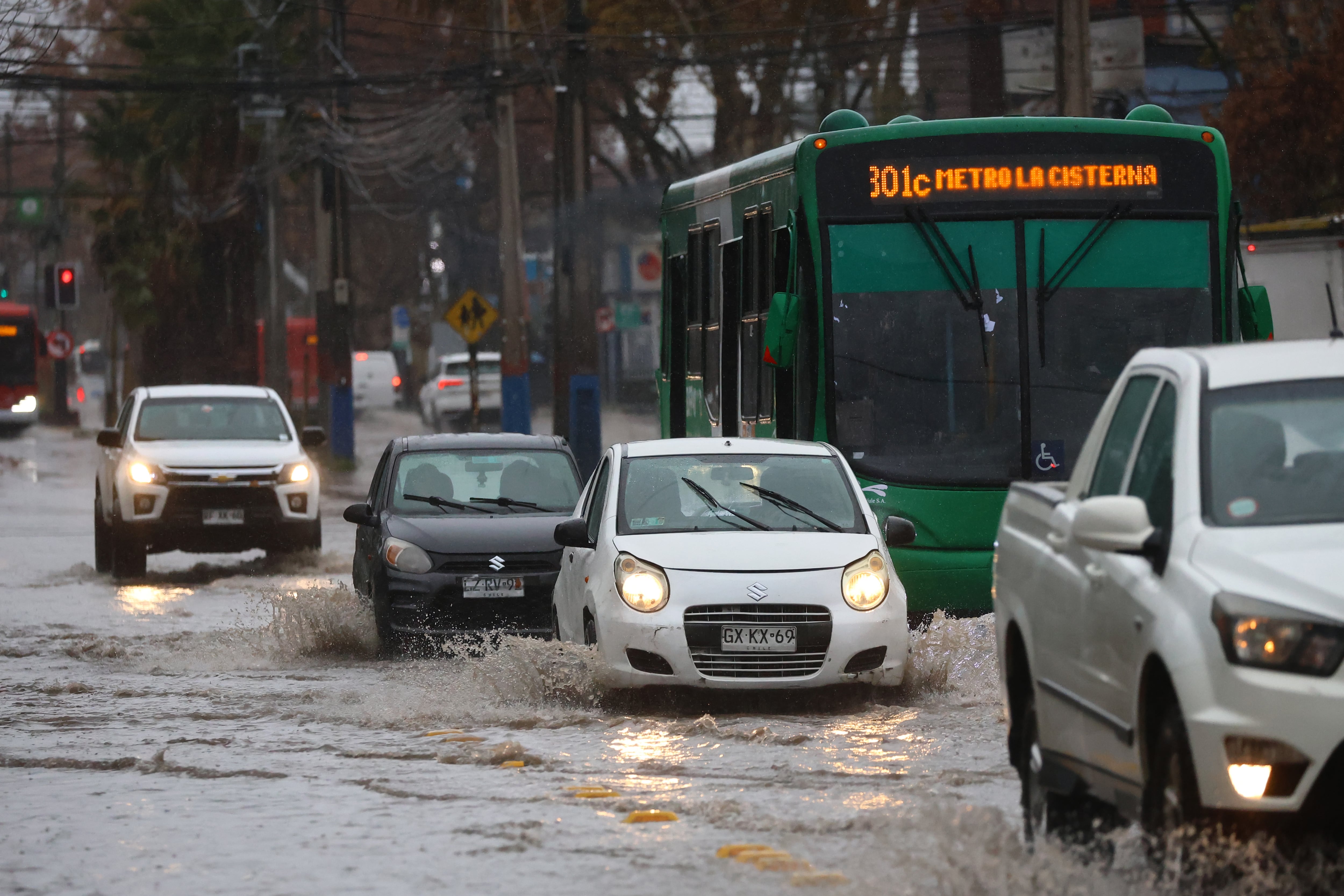
A series of frontal systems arriving between Atacama and Los Ríos necessitate increased caution for drivers. This situation requires drivers to take additional precautions when behind the wheel. The article provides essential advice on how to prepare a vehicle before embarking on a journey and adapt driving techniques to adverse weather conditions. These recommendations are crucial for ensuring safety on the road during periods of heavy rain and snow. By following these guidelines, drivers can mitigate risks associated with reduced visibility and slippery road surfaces. The focus is on proactive measures to prevent accidents and ensure the well-being of all road users. Adhering to these safety tips is paramount for navigating challenging weather safely and effectively.
The approaching weather systems highlight the critical intersection of infrastructure, vehicle preparedness, and human behavior in public safety. While the advice focuses on individual driver actions, it implicitly points to the need for robust public advisories and potentially infrastructure maintenance to handle adverse weather. The challenge lies in balancing personal responsibility with systemic readiness, especially as climate patterns may lead to more frequent extreme weather events. Future considerations should include how transportation networks and public information systems can better adapt to these evolving environmental conditions to minimize risks.
AI-generated to prompt reflection — not editorial opinion, not advice, not a statement of fact. How this works.