Drone Attack Hits Saudi Arabia's Largest Oil Refinery, Sparking Global Supply Concerns
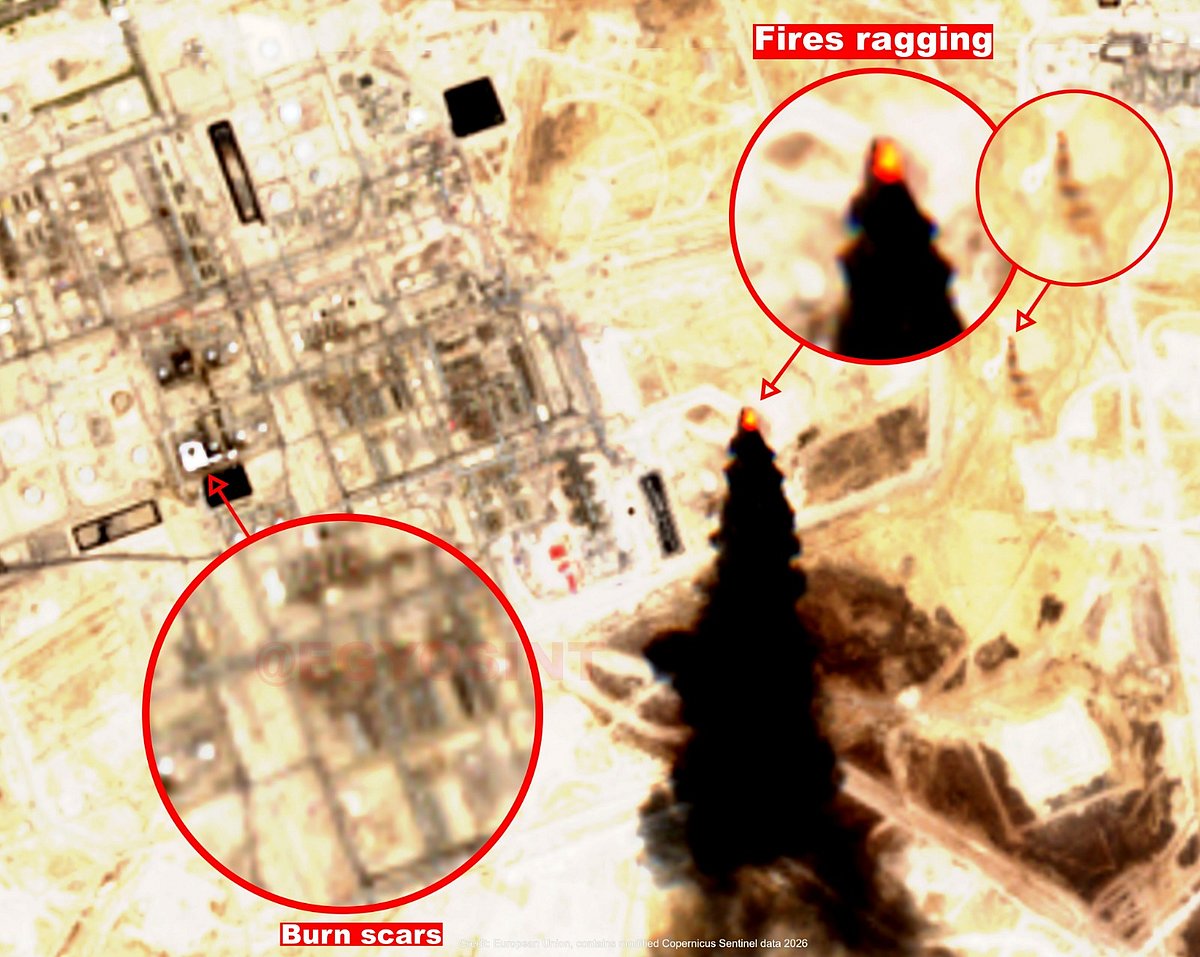
Saudi Arabia's largest crude oil processing facility, the Abqaiq complex in the eastern province, sustained damage from a drone attack on Monday. Analysts confirmed the incident using satellite imagery, and a Gulf official corroborated the reports to The Wall Street Journal. Images circulating online showed large plumes of smoke rising from the facility, with visible burn marks and damage to parts of the installation.
The Iran-aligned Houthi armed group in Yemen claimed responsibility for the attack. A Houthi military spokesperson stated on social media that the strike targeted sensitive oil supply and transportation centers connecting Saudi Arabia's eastern oil fields to the Yanbu export terminal on the Red Sea. While the spokesperson did not explicitly name the Abqaiq facility, the description aligns with its function as a key link in the 'East-West' pipeline, which transports oil to Yanbu for export via the Suez Canal to Europe or the Bab el-Mandeb strait to Asia.
Saudi Arabia acknowledged an attack on its eastern oil infrastructure but attributed it to Iran-backed militias operating in Iraq. Conversely, The Wall Street Journal, citing a Gulf official, reported that damage to the Abqaiq complex was minimal. This facility processes approximately 5% of the world's daily crude oil supply, making any disruption a significant concern for global markets. The attack is viewed as a major escalation and a potential expansion of conflict, occurring amidst ongoing regional tensions between Iran, the United States, and Israel, and following retaliatory Houthi threats of a naval blockade against Saudi Arabia.
This drone attack on Saudi Arabia's critical Abqaiq oil processing facility highlights the vulnerability of global energy infrastructure to asymmetric warfare. The incident underscores the strategic importance of oil facilities as potential targets in regional geopolitical conflicts, impacting global supply chains and market stability. The attribution of the attack, with Yemen's Houthi group claiming responsibility while Saudi Arabia points to Iran-backed militias in Iraq, reflects the complex web of proxy conflicts in the Middle East. Future developments will likely involve heightened security measures, potential retaliatory actions, and intensified diplomatic efforts to de-escalate tensions. The incident also raises questions about the efficacy of existing defense systems against such threats and the broader implications for energy security in the coming decade, particularly as the world transitions towards new energy sources.
AI-generated to prompt reflection — not editorial opinion, not advice, not a statement of fact. How this works.