Drone Attack in Antioquia Causes Mass Displacement and Institutional Clash
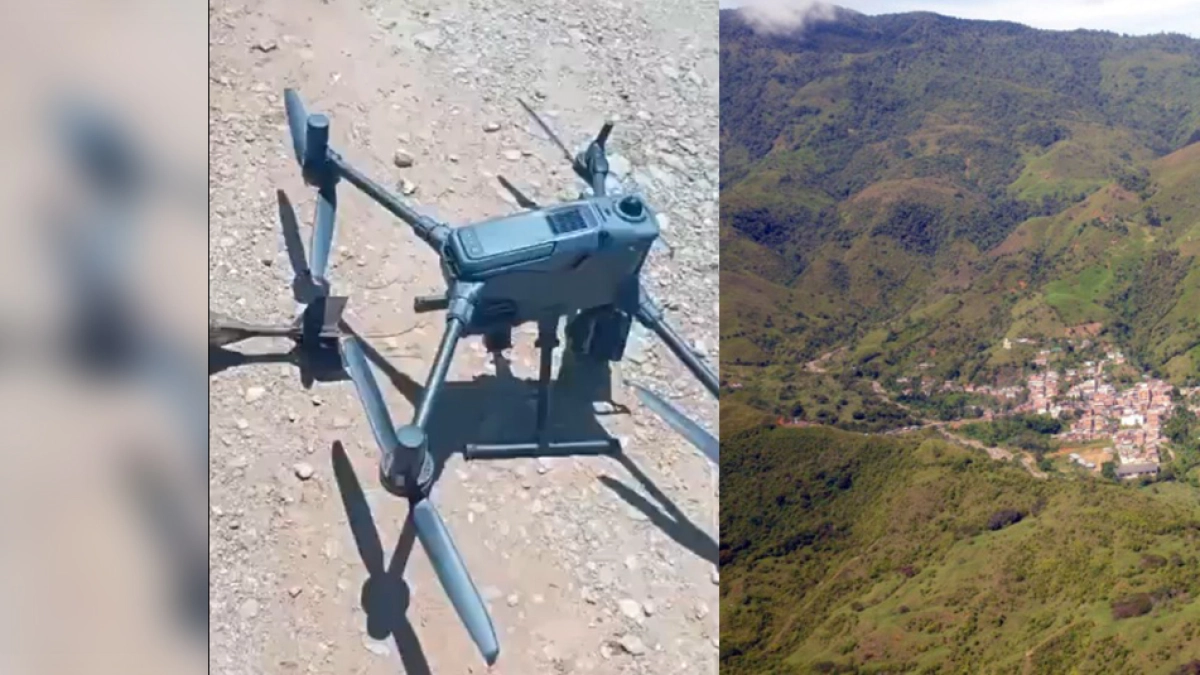
A drone attack using explosives on the Las Auras settlement in Briceño, Antioquia, has triggered a massive displacement of residents. The incident, attributed to dissident groups, occurred in an area where the Colombian Army maintains a presence. Governor of Antioquia reported the attack, highlighting the severity of the security situation in the region. The use of drones for explosive attacks represents a significant escalation in tactics by armed groups operating in the area. This event has also led to an institutional clash, indicating potential disagreements or challenges in the governmental response to the escalating violence. The displacement of the population from Las Auras underscores the profound impact of these attacks on civilian communities. Authorities are assessing the full extent of the damage and the number of people forced to flee their homes. The incident raises serious concerns about the effectiveness of current security measures and the growing threat posed by technologically advanced attacks from non-state actors. The response from both military and civilian leadership is under scrutiny following this significant security breach.
The drone attack in Briceño, Antioquia, highlights the evolving tactics of dissident groups, leveraging aerial explosives to achieve displacement and disrupt civilian life. This incident underscores the challenges faced by state security forces in controlling airspace and protecting remote communities from technologically sophisticated threats. The resulting institutional clash suggests potential friction in inter-governmental coordination or resource allocation for security and humanitarian responses. Such attacks can create a cycle of fear and instability, potentially undermining long-term development and governance in affected regions. Looking ahead, the proliferation of drone technology among non-state actors necessitates a strategic reassessment of defense capabilities and civilian protection mechanisms to anticipate and mitigate future aerial threats.
AI-generated to prompt reflection — not editorial opinion, not advice, not a statement of fact. How this works.