Drone Captures Affectionate Moment Between Blue-and-Yellow Macaws in Brazil's Pantanal
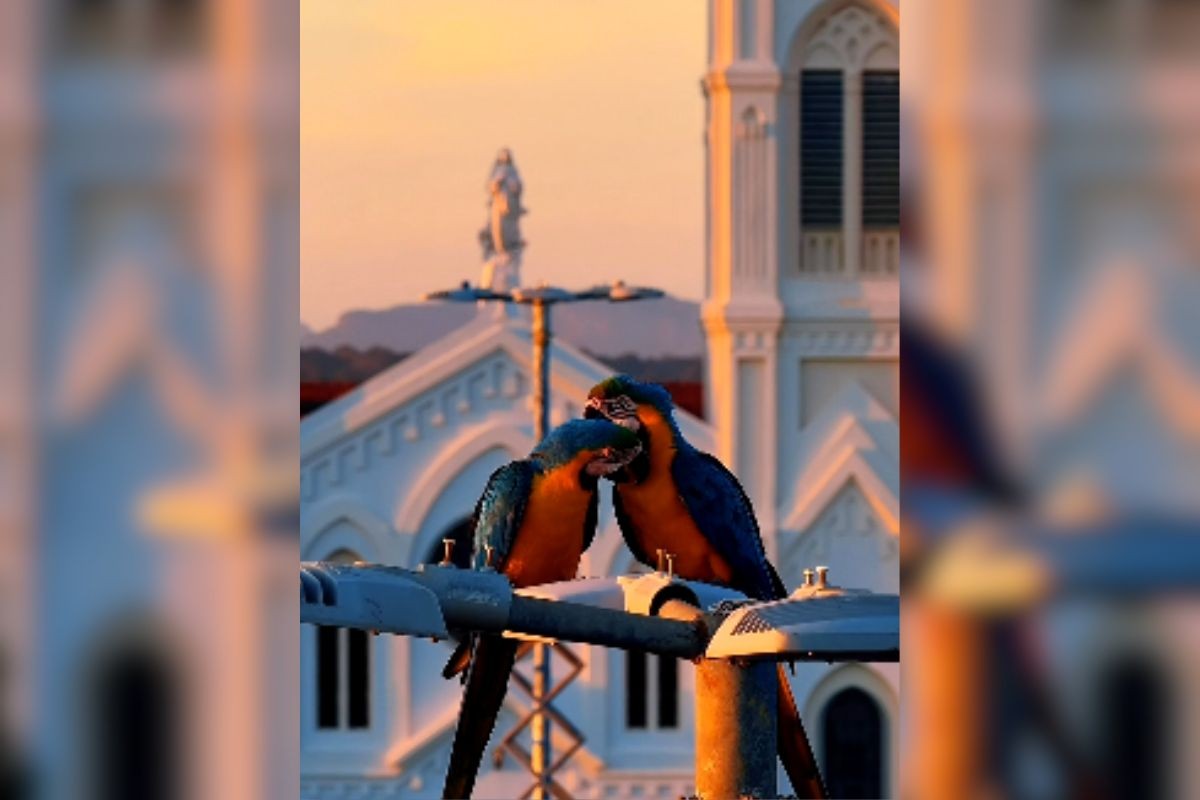
A drone has captured a tender interaction between a pair of blue-and-yellow macaws in Aquidauana, located in the Pantanal region of Mato Grosso do Sul, Brazil. The video, filmed on Thursday, May 9th, by photographer Lucas Rocha Fialho, quickly gained attention on social media for its beautiful depiction of wildlife. The footage shows the macaw couple exchanging affectionate gestures atop a tree, illustrating a common behavior for the species, which is known for its strong pair bonds.
Fialho, who has been a photographer for ten years and runs a marketing agency, dedicates personal time to documenting the Pantanal's fauna and landscapes, describing it as his therapy. Originally from Aquidauana, he is motivated by capturing the local wildlife, having previously filmed blue macaws near the Serra de Maracaju. He emphasizes that his frequent encounters with nature consistently bring new surprises, particularly the evident affection among animals.
Blue-and-yellow macaws are recognized for their vibrant plumage and typically form lifelong partnerships. Their breeding season runs from August to January, coinciding with the transition from the dry to the wet season, which increases food availability. In the Pantanal, these macaws are a familiar sight to locals, tourists, and photographers exploring the area.
This footage highlights the strong pair-bonding behavior of blue-and-yellow macaws, a species known for lifelong monogamy. Such natural displays of affection are valuable for conservation efforts, as they can foster public appreciation and support for wildlife protection initiatives. Understanding the reproductive cycles and habitat needs, like the seasonal food availability in the Pantanal during the transition to the wet season, is crucial for effective species management. Future research could explore how environmental changes, such as habitat degradation or climate shifts, might impact these long-term pair bonds and reproductive success, potentially necessitating adaptive conservation strategies.
AI-generated to prompt reflection — not editorial opinion, not advice, not a statement of fact. How this works.