Drones Provide New Method for Weather Data Collection
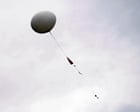
Drones are emerging as a viable alternative to traditional weather balloons for atmospheric research, particularly within the boundary layer of the atmosphere. This crucial layer, extending from ground level to a few thousand meters, has historically been challenging to study comprehensively due to the limitations of ground-based weather stations and the high cost of aircraft. Instrumented weather balloons, while widely used with thousands launched daily, are susceptible to wind conditions and rely on finite helium resources. The US company Meteomatics has developed an innovative solution called Meteobase, which features an automated ground station and drone system. This system allows the drone to execute pre-programmed flights, collecting data at various altitudes. Upon completion, the drone autonomously returns to the Meteobase for recharging and data offload, with the collected information then transmitted to researchers. This automated approach offers a potentially more flexible and sustainable method for gathering detailed atmospheric data.
This technological shift from helium balloons to automated drones for atmospheric data collection highlights a broader trend towards more sustainable and adaptable research methodologies. The reliance on finite resources like helium presents a long-term vulnerability that emerging technologies aim to mitigate. Drones offer enhanced control over flight paths and data collection points, potentially yielding richer datasets than wind-dependent balloons. The development of automated bases like Meteobase addresses logistical challenges, reducing human intervention and operational costs. As AI and automation continue to advance, expect further innovations in remote sensing and data acquisition, enabling more granular and responsive environmental monitoring critical for climate research and forecasting.
AI-generated to prompt reflection — not editorial opinion, not advice, not a statement of fact. How this works.