Drones Reshape Modern Warfare
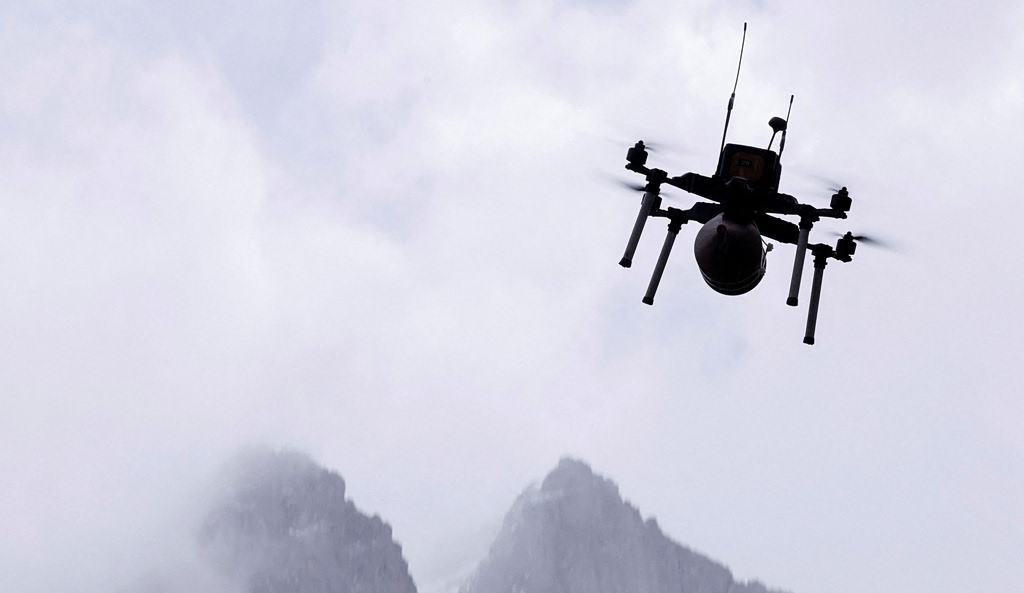
Drones have emerged as a pivotal element in contemporary warfare, spanning conflicts from Ukraine to the Middle East. Their significance stems from a combination of low cost and considerable operational flexibility. Iran has been a notable investor in this technology, a strategic decision driven by the imperative to survive under international sanctions and military isolation. The country's systematic investment reflects a broader trend where unmanned aerial vehicles are becoming indispensable tools on the battlefield. This technological advancement allows for diverse applications, from reconnaissance and surveillance to direct engagement, often at a fraction of the cost of traditional military assets. The increasing reliance on drones signifies a fundamental shift in military doctrine and capabilities worldwide. Their adaptability and cost-effectiveness make them attractive for both state and non-state actors. The ongoing evolution of drone technology promises to further transform the landscape of global security and conflict dynamics.
The proliferation of drone technology, exemplified by its impact in conflicts from Ukraine to the Middle East and Iran's strategic investment, highlights a significant shift in military capabilities. This trend is driven by the economic and operational advantages drones offer over traditional platforms, particularly for nations facing sanctions or resource constraints. The low cost and high flexibility of drones democratize access to advanced aerial warfare capabilities, potentially altering the balance of power. Future military strategies will likely integrate these systems more deeply, necessitating new doctrines for command, control, and countermeasures. The long-term implications involve a re-evaluation of defense spending priorities and the ethical considerations surrounding autonomous warfare.
AI-generated to prompt reflection — not editorial opinion, not advice, not a statement of fact. How this works.