Drones Revolutionize Volcano Research, Recalling Past Dangers
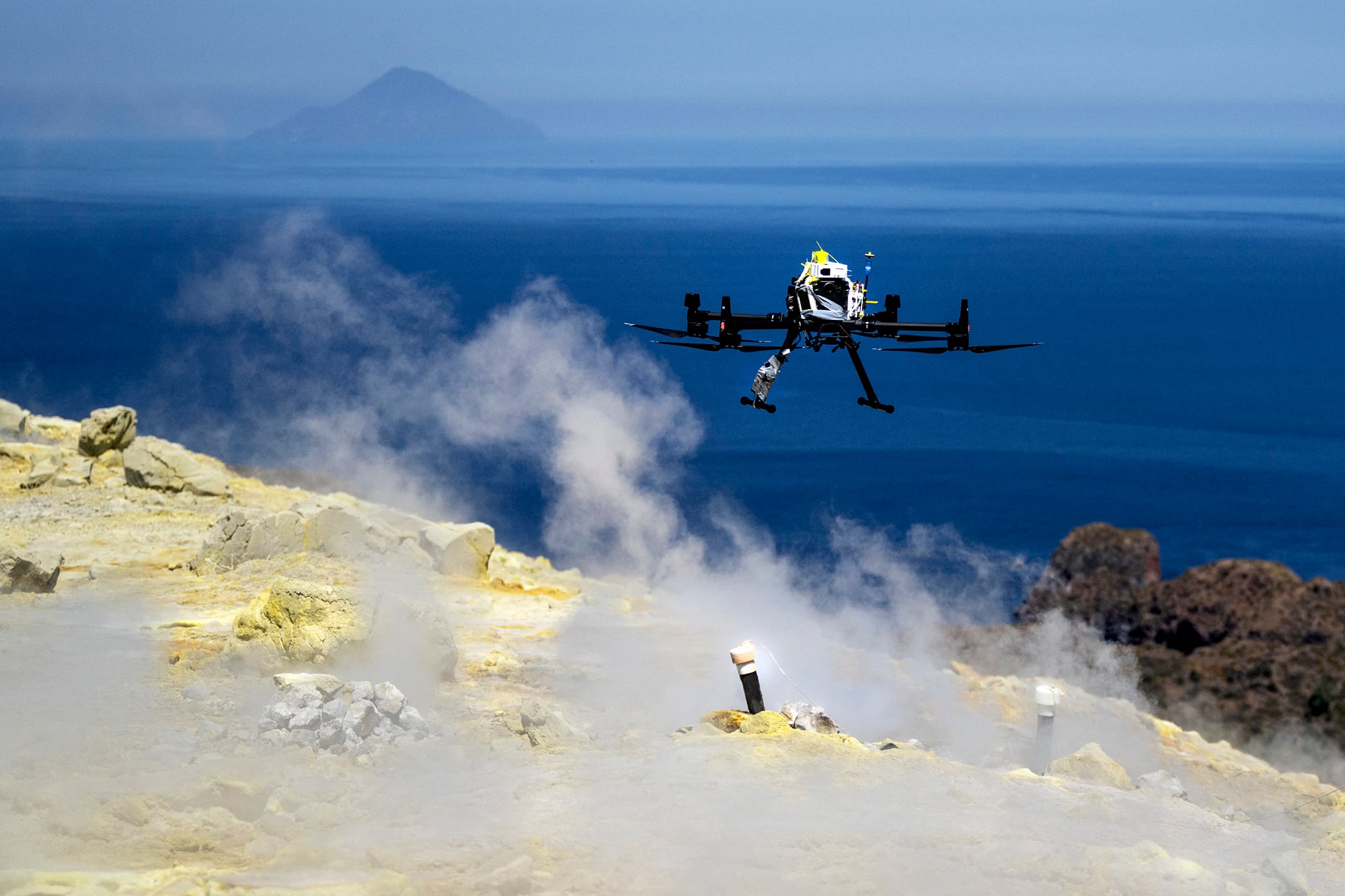
A drone is being used to survey the island of Vulcano in Sicily's Aeolian archipelago, measuring volcanic gases to predict future eruptions. This represents a significant shift in volcano exploration, moving away from the dangerous, close-proximity methods previously employed by vulcanologists and documentarians. For decades, researchers had to approach active craters on foot with minimal safety margins. The documentary "The Fire Within" by Werner Herzog captured some of these daring expeditions, focusing on French vulcanologists Katia and Maurice Krafft. They famously recorded crucial eruption footage from extremely close distances, a practice that ultimately led to their deaths. While modern tools like drones may enable new scientific frontiers, they may not replicate the same spirit of human endeavor and daring that characterized earlier explorations.
The integration of drones into volcanic research signifies a technological leap, enhancing safety and data collection capabilities. This shift from direct human observation to remote sensing addresses the inherent risks faced by scientists, as tragically exemplified by the Kraffts. While drones offer precision and reduced danger, they also raise questions about the evolving nature of scientific exploration and the potential loss of the visceral, high-stakes engagement that defined earlier eras of discovery. The long-term implications involve balancing technological advancement with the preservation of the human element in scientific fieldwork and considering how future research methodologies will be shaped by these advancements.
AI-generated to prompt reflection — not editorial opinion, not advice, not a statement of fact. How this works.