Drought: A Summer That Changes the Pace
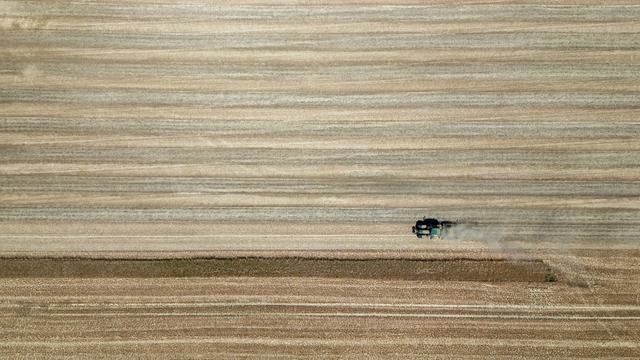
The summer of 2023 has been marked by significant drought conditions, impacting various sectors and altering established rhythms. This prolonged dry spell has led to concerns about water availability and its cascading effects on agriculture, ecosystems, and potentially industrial processes. The changing weather patterns are forcing a reevaluation of how societies manage water resources and adapt to increasingly unpredictable climate conditions. This summer's dryness serves as a stark reminder of the ongoing challenges posed by climate change and the urgent need for sustainable practices. The long-term implications of such extreme weather events are a subject of growing discussion among scientists and policymakers. Adapting to these new climatic realities requires innovative solutions and a shift in long-term planning.
The persistent drought conditions observed during the summer of 2023 highlight the increasing vulnerability of current infrastructure and resource management strategies to climate variability. This event underscores the systemic challenges of balancing water demand across agricultural, industrial, and domestic sectors in the face of unpredictable precipitation patterns. Future planning will need to integrate more robust water conservation measures, explore advanced water recycling technologies, and potentially re-evaluate land-use policies in drought-prone regions. The economic and ecological consequences necessitate a proactive approach to climate adaptation, focusing on resilience and long-term sustainability rather than reactive crisis management.
AI-generated to prompt reflection — not editorial opinion, not advice, not a statement of fact. How this works.