Drought and Fires in Europe Threaten Olive Oil and Wine Prices
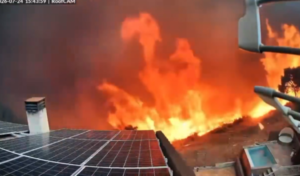
European olive oil prices are likely to increase again this autumn due to extreme heat, drought, and wildfires that have devastated olive groves and other agricultural crops across the continent. Producers have reported that olive plantations in Greece, Italy, and Portugal have been destroyed by fires. Even groves not directly impacted by flames are suffering from ash contamination and poor quality produce. The adverse weather conditions are also affecting vineyards, raising concerns about the quality and quantity of wine production. This situation follows a period of already high prices for olive oil, exacerbated by previous poor harvests. The combined impact of these environmental challenges poses a significant threat to the availability and affordability of these staple products, potentially leading to further price hikes for consumers. The agricultural sector is facing immense pressure to adapt to increasingly volatile climate patterns.
The extreme weather events impacting European agriculture highlight the growing vulnerability of global food supply chains to climate change. The interconnectedness of agricultural markets means that localized crop failures, such as those affecting olive groves in Greece, Italy, and Portugal, can have cascading effects on international prices. This situation underscores the need for enhanced climate resilience strategies in agriculture, including investments in drought-resistant crops, improved irrigation techniques, and better forest management to mitigate wildfire risks. Producers and policymakers face the challenge of balancing immediate economic concerns with long-term sustainability, exploring innovative solutions to ensure food security in an era of increasing environmental volatility.
AI-generated to prompt reflection — not editorial opinion, not advice, not a statement of fact. How this works.
