Drought Exposes Economic Reliance on Dutch Waterways
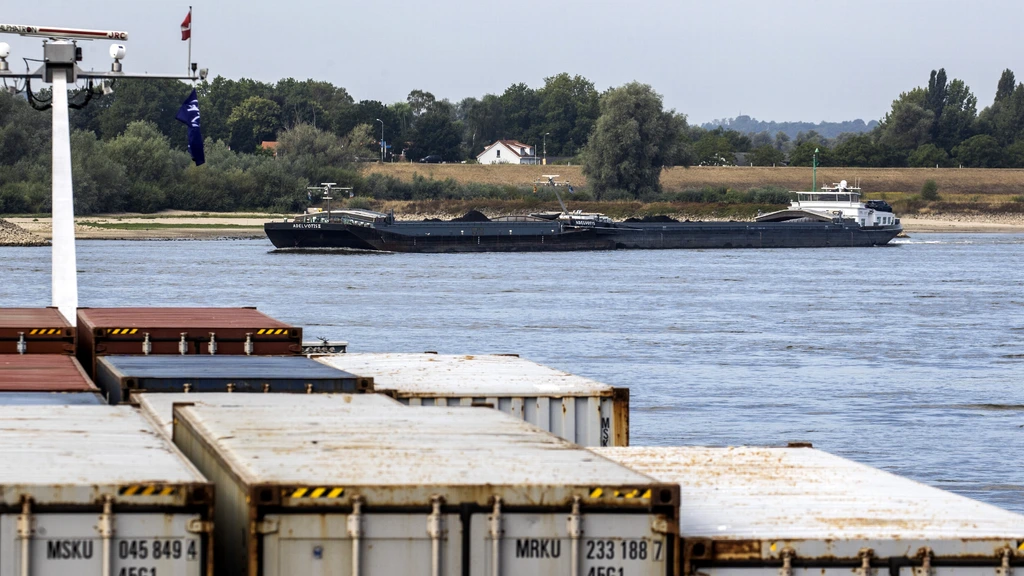
Persistent drought conditions are forcing the closure of key Dutch waterways, highlighting their critical economic importance. The Parksluizen in Rotterdam are set to close, halting the transport of materials like concrete, sand, and metal via the Delftse Schie. This follows the earlier closure of the Eefde sluice, which cut off the Twentekanaal. The low water levels mean ships cannot be fully loaded, and some routes are becoming impassable. The Twentekanaal closure alone is costing businesses hundreds of thousands of euros daily, with projected weekly losses for the Delftse Schie reaching similar figures.
Inland shipping is a significant economic contributor, supporting 22,000 jobs and adding 1.8 billion euros to the economy last year, according to Statistics Netherlands (CBS). While this represents less than half a percent of the total economy, it doesn't account for the indirect value to dependent industries. Companies like animal feed producer ForFarmers and concrete manufacturer Rouwmaat Group rely heavily on the Twentekanaal for raw material transport. Sectors such as construction are also deeply impacted, as some businesses are structured to move thousands of kilograms via water.
In 2022, inland shipping transported 333 million tons of goods, including ores, minerals, fuels, and chemical products. Replacing one barge with dozens of trucks is often infeasible, especially for oversized cargo like steel pipes or transformers. Koninklijke Van der Wees from Dordrecht, for example, cannot transport heavy transformers needed for grid upgrades due to low water levels on the Rhine, with their operations dependent on precipitation forecasts in Kaub, Germany. These delays have societal consequences, as the transported transformers are too heavy for road transport. Furthermore, a significant portion of goods transported inland originate from or are destined for Germany and Belgium, underscoring the international dimension of these waterways.
The current drought crisis in the Netherlands reveals the systemic vulnerability of its economy to climate-induced disruptions in water management. The reliance on inland waterways for bulk transport, while efficient, creates a single point of failure when water levels drop. This situation underscores the need for adaptive infrastructure and diversified logistics strategies to mitigate future risks. As climate change increases the frequency and intensity of extreme weather events, Dutch policymakers and businesses must proactively invest in resilient transport networks and explore alternative solutions, such as enhancing rail capacity or developing more flexible water management systems. The economic impact, extending beyond direct shipping costs to supply chain integrity and critical infrastructure projects, necessitates a long-term strategic approach to water and transport planning.
AI-generated to prompt reflection — not editorial opinion, not advice, not a statement of fact. How this works.
