Drought Exposes Limits of Nuclear and Hydro Power in Slovakia and Central Europe
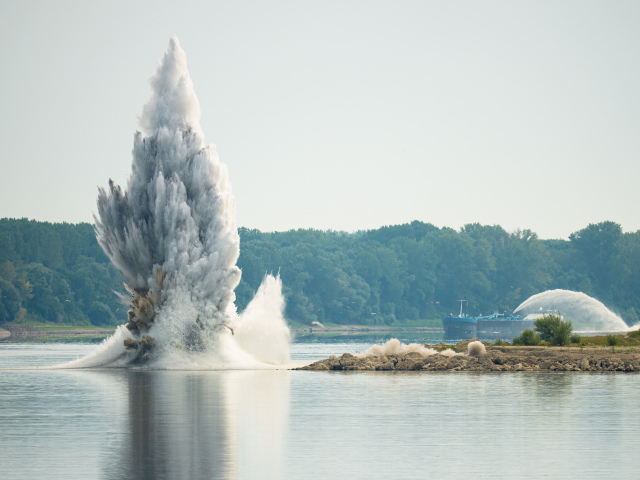
Recent drought conditions have highlighted the vulnerabilities of relying heavily on nuclear and hydroelectric power, challenging traditional notions of energy security in Slovakia and the wider Central European region. Andrej Nosko, an expert in energy policy, stated in an interview with SITA ENERGETIKA that the limitations experienced by nuclear and hydro plants during dry periods necessitate a shift in strategy. He emphasized that the region cannot depend on a single type of stable energy source to ensure consistent supply. Instead, Nosko advocates for the development of a diversified energy system that incorporates sufficient backup capacity. This approach aims to mitigate the risks associated with extreme weather events and other factors that can impact the output of dominant energy sources. The current situation underscores the need for a more resilient and adaptable energy infrastructure across Central Europe.
The current energy challenges in Slovakia and Central Europe, exacerbated by drought affecting nuclear and hydro output, illustrate systemic dependencies on specific resource availabilities. Over-reliance on a single energy generation type, even one perceived as stable like nuclear or hydro, creates inherent vulnerabilities to environmental shifts. This situation prompts a re-evaluation of energy security paradigms, suggesting that true resilience in the coming decades will stem from a robustly diversified portfolio. Future energy strategies must proactively integrate a wider array of generation sources and storage solutions to buffer against the increasing unpredictability of climate and resource availability, ensuring grid stability without compromising national energy independence.
AI-generated to prompt reflection — not editorial opinion, not advice, not a statement of fact. How this works.
