Drought Forces Farmers to Feed Livestock Cucumbers and Melons as Pastures Dry Up
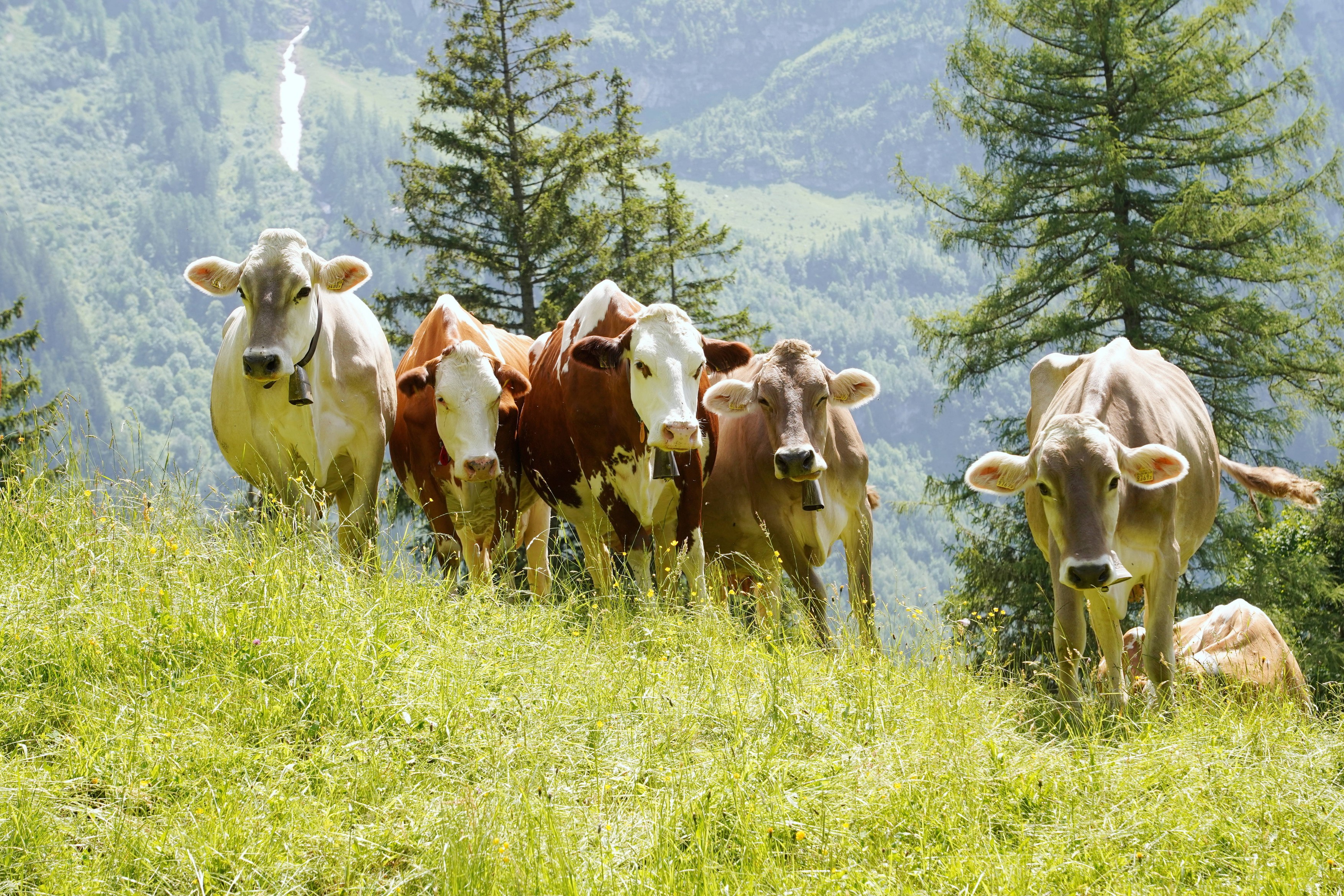
Extreme heat and a lack of rainfall have severely impacted farms, particularly in the southern regions of the country. Pastures have been scorched by the sun, and wells have run dry, creating a critical situation for livestock. Farmers in Olt County, facing these dire conditions, have resorted to purchasing vegetables and fruits from markets to feed their animals. This unusual feeding strategy is a direct response to the widespread drought that has devastated traditional grazing lands. The high temperatures also pose significant health risks to animals, including dehydration, heatstroke, and sunburn. The scarcity of water is a major concern, with many wells no longer providing a source for the animals or for farming needs. The situation highlights the vulnerability of agricultural systems to prolonged periods of extreme weather.
The current drought conditions underscore the systemic vulnerabilities within agricultural systems when confronted with intensifying climate volatility. The reliance on traditional pasturelands, which are proving susceptible to prolonged heat and lack of precipitation, necessitates a re-evaluation of sustainable fodder sourcing and water management strategies. Farmers' innovative, albeit costly, adaptation of feeding livestock with produce typically destined for human consumption points to a market dynamic where resource scarcity drives unconventional solutions. This situation prompts consideration of long-term resilience planning, including drought-resistant crop development, advanced irrigation techniques, and diversified feed options to mitigate the impact of future extreme weather events on food security and animal welfare.
AI-generated to prompt reflection — not editorial opinion, not advice, not a statement of fact. How this works.