Drought Forces Water Pumping Ban in Parts of Overijssel
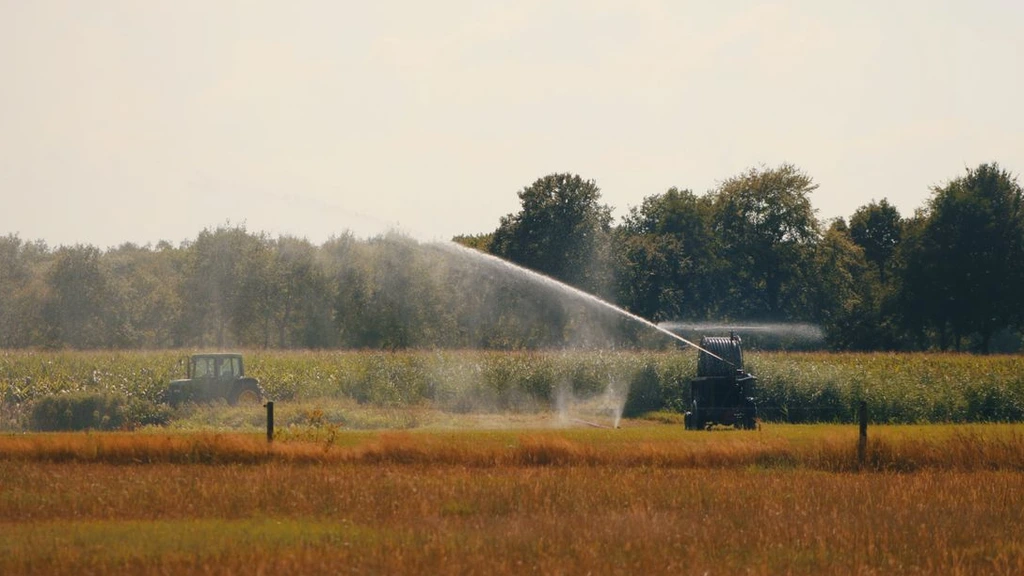
Due to persistent drought, farmers and other water users in Overijssel are now prohibited from pumping water from ditches, canals, and streams in the supply areas of the Vecht river and the Twentekanalen. The water board, Waterschap Drents-Overijsselse Delta, has termed this a "sprinkling stop," which is a strong appeal rather than a formal ban. Nicole Koks of the water board stated that this measure is necessary to prevent permanent damage and to avoid a complete extraction ban. The current water levels are historically low, exacerbated by a lack of rainfall across the Netherlands, Germany, Belgium, and France. This situation mirrors actions taken in Limburg, where Waterschap Limburg has already imposed a complete ban on water extraction from all rivers, streams, and ditches. Limburg authorities have declared this "phase red," citing risks to flora and fauna, public safety, and critically low groundwater levels. Groundwater west of the Maas river is nearly a meter below average, and over half a meter lower east of the Maas. Water boards in Brabant have also implemented extraction bans recently. While the rest of the Netherlands does not yet have a widespread ban, many water boards are requesting users to report their water usage online to monitor demand.
The current water scarcity in the Netherlands, exemplified by the "sprinkling stop" in Overijssel and stricter bans in Limburg, highlights the increasing vulnerability of agricultural and public water systems to climate-induced drought. This situation underscores a systemic challenge: balancing immediate agricultural and recreational water needs against the long-term ecological health and flood control functions of water bodies. The reliance on voluntary reporting in other regions suggests a reactive approach, which may prove insufficient as extreme weather events become more frequent. Future water management strategies will likely need to incorporate more proactive, integrated planning that accounts for reduced supply, increased demand, and the interconnectedness of surface and groundwater resources, potentially involving significant infrastructure investment or shifts in land use and agricultural practices.
AI-generated to prompt reflection — not editorial opinion, not advice, not a statement of fact. How this works.