Drought Hits Austria's Hydropower, Threatening Electricity Supply
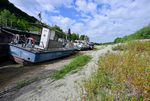
Austria, a nation heavily reliant on hydropower, is experiencing a significant decline in electricity generation due to low water levels. Hydropower, which typically provides a substantial portion of the country's energy, is currently producing 30 percent less electricity than its average output. This reduction is a direct consequence of the ongoing drought and the resulting low water levels in rivers and reservoirs. The industrial sector is also closely monitoring the situation, as many facilities depend on river water for essential cooling processes. The decreased availability of water poses a dual challenge: impacting renewable energy production and potentially disrupting industrial operations. The long-term implications for Austria's energy security and economic stability are becoming a growing concern as the drought persists.
The current drought impacting Austria's hydropower generation highlights a critical vulnerability in energy systems heavily dependent on natural resources. As climate change intensifies, the reliability of hydropower may become increasingly unpredictable, necessitating a strategic re-evaluation of energy diversification. This situation underscores the need for robust infrastructure planning that accounts for extreme weather events and promotes a balanced energy portfolio. Industries relying on water for cooling also face operational risks, suggesting a broader imperative to explore water-efficient technologies and alternative cooling methods. Over the next decade, understanding and mitigating these interdependencies between climate, water resources, and energy production will be crucial for maintaining economic stability and energy security.
AI-generated to prompt reflection — not editorial opinion, not advice, not a statement of fact. How this works.
