Drought in Bulgaria Exposes Mammoth Bones Along the Danube River
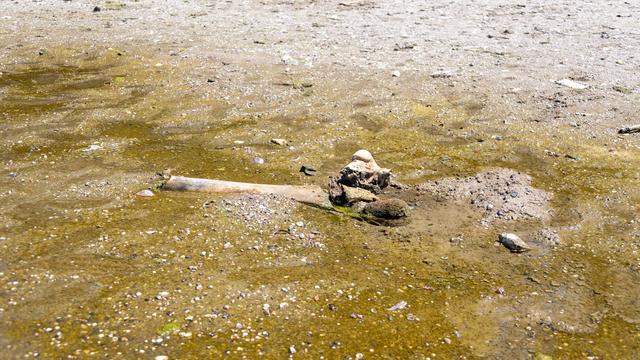
Unprecedented drought conditions along the Danube River in Bulgaria have led to a remarkable discovery: the unearthing of mammoth bones. The receding water levels, a direct consequence of the prolonged dry spell, have exposed ancient remains that have been submerged for centuries. This unusual event offers a rare glimpse into prehistoric life in the region. Scientists are expected to study the bones to learn more about the mammoths that once roamed this area. The discovery highlights the significant impact of climate change on natural landscapes and historical preservation. Further investigation is anticipated to determine the age and completeness of the unearthed mammoth remains. The Bulgarian authorities are reportedly assessing the situation and considering measures to protect the archaeological find. This event serves as a stark reminder of the hidden histories that can be revealed by extreme environmental shifts.
The exposure of mammoth bones due to drought along the Danube River underscores the profound impact of climate change on both environmental conditions and the preservation of historical artifacts. As water levels recede due to prolonged dry periods, previously submerged sites are becoming accessible, offering unique opportunities for scientific research and historical discovery. This phenomenon highlights the vulnerability of cultural heritage to environmental shifts and the potential for future discoveries as climate patterns continue to evolve. It also prompts consideration of adaptive strategies for managing and protecting such sites in an era of increasing environmental volatility, balancing scientific interest with conservation needs.
AI-generated to prompt reflection — not editorial opinion, not advice, not a statement of fact. How this works.