Drought Measures Intensify: Locks Near The Hague and Rotterdam to Close
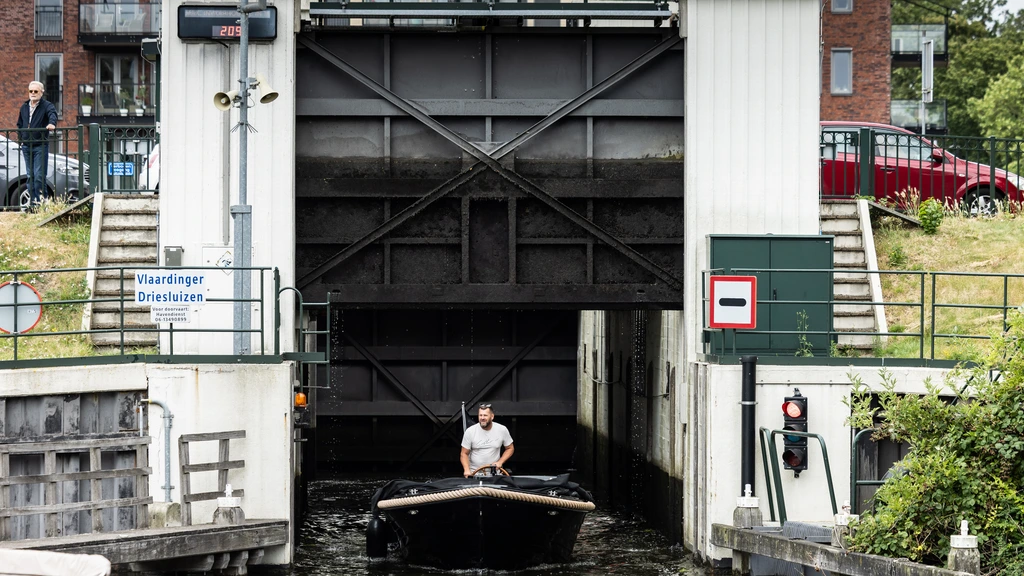
In response to persistent drought and a critical water shortage, several regions in the Netherlands are implementing stricter measures. Starting Wednesday, all locks in the greater The Hague and Rotterdam area will be closed. This action affects the Delfland water board's region, home to approximately 1.5 million people.
Stijn van Boxmeer, a board member for Delfland, described the situation as "unique." The closure of the locks is intended to conserve the rapidly diminishing freshwater supply, which is urgently needed. Van Boxmeer acknowledged the significant impact these measures will have on residents and businesses but stressed their inevitability. Furthermore, the use of surface water for irrigation is now prohibited throughout Delfland, impacting glasshouse horticulture, agriculture, nature organizations, municipalities, sports facilities, riding schools, and private gardens.
In North Brabant, water extraction bans are being expanded. In the southern parts of West and Middle Brabant, drawing water from specific streams is forbidden. An earlier "hours ban" in this region, restricting water use between 9 PM and 9 AM, has now been extended and includes fruit growers. Separately, the lock to the inner harbor in Deventer will be closed indefinitely starting Wednesday evening due to critically low water levels in the IJssel river. This is a precautionary measure to prevent damage to the lock gates and the loss of water from the harbor and upstream areas. The duration of this closure depends on the river's water level recovery. Finally, drought conditions have forced sheep and cattle grazing on dikes along the Wadden Sea and on Texel to be relocated. The dry grass lacks sufficient time to recover before the storm season begins in early October, presenting challenges for sheep farmers who must find alternative grazing land.
The escalating drought measures highlight the increasing vulnerability of Dutch water management systems to climate change impacts. The closure of locks and expanded extraction bans reflect a reactive approach to water scarcity, prioritizing immediate conservation over long-term sustainable resource planning. This situation underscores a systemic tension between economic activities reliant on water (agriculture, horticulture) and the imperative to protect freshwater reserves. As water stress intensifies, a shift towards more proactive, integrated water management strategies, including infrastructure adaptation and demand-side interventions, will be crucial. The necessity of relocating livestock also points to the broader ecological consequences of prolonged dry periods, impacting biodiversity and land management practices. Future resilience will depend on anticipating and adapting to these recurrent environmental challenges through innovative policy and technological solutions.
AI-generated to prompt reflection — not editorial opinion, not advice, not a statement of fact. How this works.