Drought's Impact: Low Water Levels Force Steel Firm to Halt Own Shipping
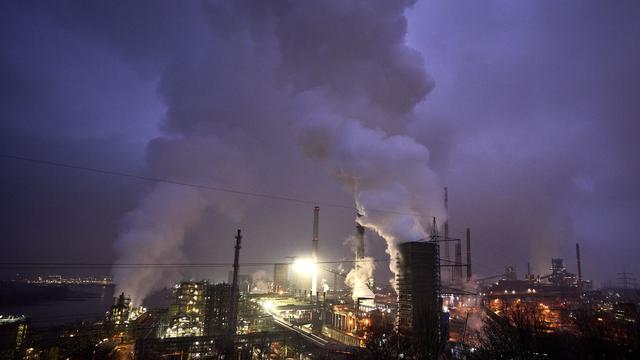
Due to persistent drought conditions and critically low water levels on the Rhine River, a major steel company has been compelled to suspend its own shipping operations. The company, which relies heavily on the waterway for transporting raw materials and finished products, has found it impossible to navigate the river safely and efficiently. This decision highlights the severe economic consequences of the ongoing dry spell affecting Germany and other parts of Europe. The low water levels pose significant challenges not only for the steel industry but also for various other sectors dependent on riverine transport. The company's management is reportedly exploring alternative logistics solutions, but these are expected to be more costly and less efficient than its usual river-based transport. The situation underscores the vulnerability of industrial supply chains to climate-related events and the need for greater resilience in infrastructure and logistics planning. Further impacts on production and delivery schedules are anticipated if water levels do not improve soon.
The suspension of shipping operations by the steel firm due to low Rhine water levels exemplifies the increasing vulnerability of industrial supply chains to climate change impacts. This event underscores the systemic risk posed by reliance on natural waterways for critical logistics, particularly during prolonged periods of drought. Future-proofing such operations will require significant investment in adaptive infrastructure, potentially including diversified transport modes or enhanced water management strategies. The incident serves as a critical case study for other industries dependent on similar logistical networks, prompting a re-evaluation of risk mitigation and resilience planning in the face of escalating environmental volatility.
AI-generated to prompt reflection — not editorial opinion, not advice, not a statement of fact. How this works.