Drought Threatens Central European Power Production as Danube Water Levels Plummet
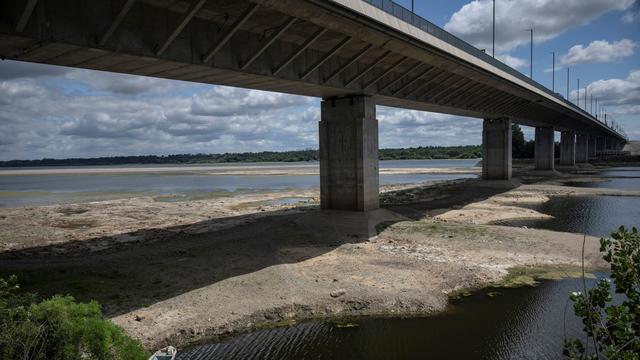
Several countries in Central Europe are facing significant challenges to their electricity generation due to critically low water levels in the Danube River. In Romania, Hungary, and Austria, power plants are being forced to reduce or completely halt their operations. This drastic measure is a direct consequence of the severe drought conditions, which have caused the Danube's water level to drop to historically low points in some locations. The reduced water flow impacts the ability of hydroelectric power plants to function, a crucial source of energy for the region. The situation highlights the vulnerability of energy infrastructure to climate-induced environmental changes. Authorities are monitoring the situation closely as the drought persists.
The current drought impacting the Danube River underscores the systemic risks associated with relying heavily on natural resources for critical infrastructure like energy production. Low water levels directly affect hydroelectric power output, creating energy supply vulnerabilities that necessitate operational cutbacks. This situation prompts a re-evaluation of energy diversification strategies and the resilience of existing power generation models against increasingly frequent and severe climate events. Future planning must incorporate adaptive measures to mitigate the impact of such environmental fluctuations on energy security and economic stability across Central Europe.
AI-generated to prompt reflection — not editorial opinion, not advice, not a statement of fact. How this works.