Drought Threatens Energy Sector in Romania and Hungary Due to Low Danube Levels
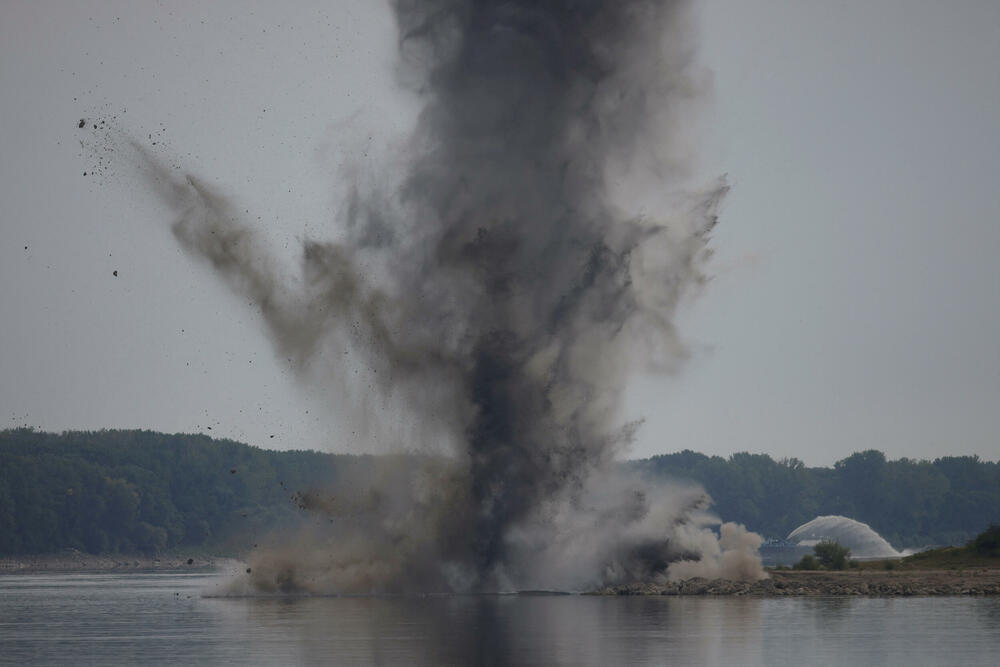
Authorities are warning that the ongoing drought and record low water levels on the Danube River pose a significant threat to the region's electricity supply. Romania and Hungary are particularly vulnerable to these conditions, as the Danube is a crucial waterway for energy production and transportation. The continued lack of rainfall is exacerbating the situation, potentially leading to further disruptions in power generation and distribution. The governments in both countries are reportedly exploring measures to mitigate the impact of the drought on their energy sectors. These efforts are aimed at ensuring a stable power supply despite the environmental challenges. The low water levels not only affect hydropower generation but can also impact the cooling systems of thermal and nuclear power plants, which often rely on river water. The situation highlights the interconnectedness of climate, water resources, and energy security in the region.
The severe drought and its impact on the Danube River's water levels present a critical challenge to energy infrastructure in Romania and Hungary. This situation underscores the vulnerability of energy systems reliant on natural resources susceptible to climate change. The low water levels not only reduce hydropower output but can also impede the operational efficiency of other power generation facilities. This highlights the need for diversified energy portfolios and robust water management strategies to enhance resilience against climate-induced disruptions. Future energy planning must account for such environmental risks, encouraging investments in technologies and infrastructure that are less dependent on specific hydrological conditions and promoting sustainable water usage across all sectors.
AI-generated to prompt reflection — not editorial opinion, not advice, not a statement of fact. How this works.
