Drowning is silent and swift: Doctors warn parents to actively supervise children near water
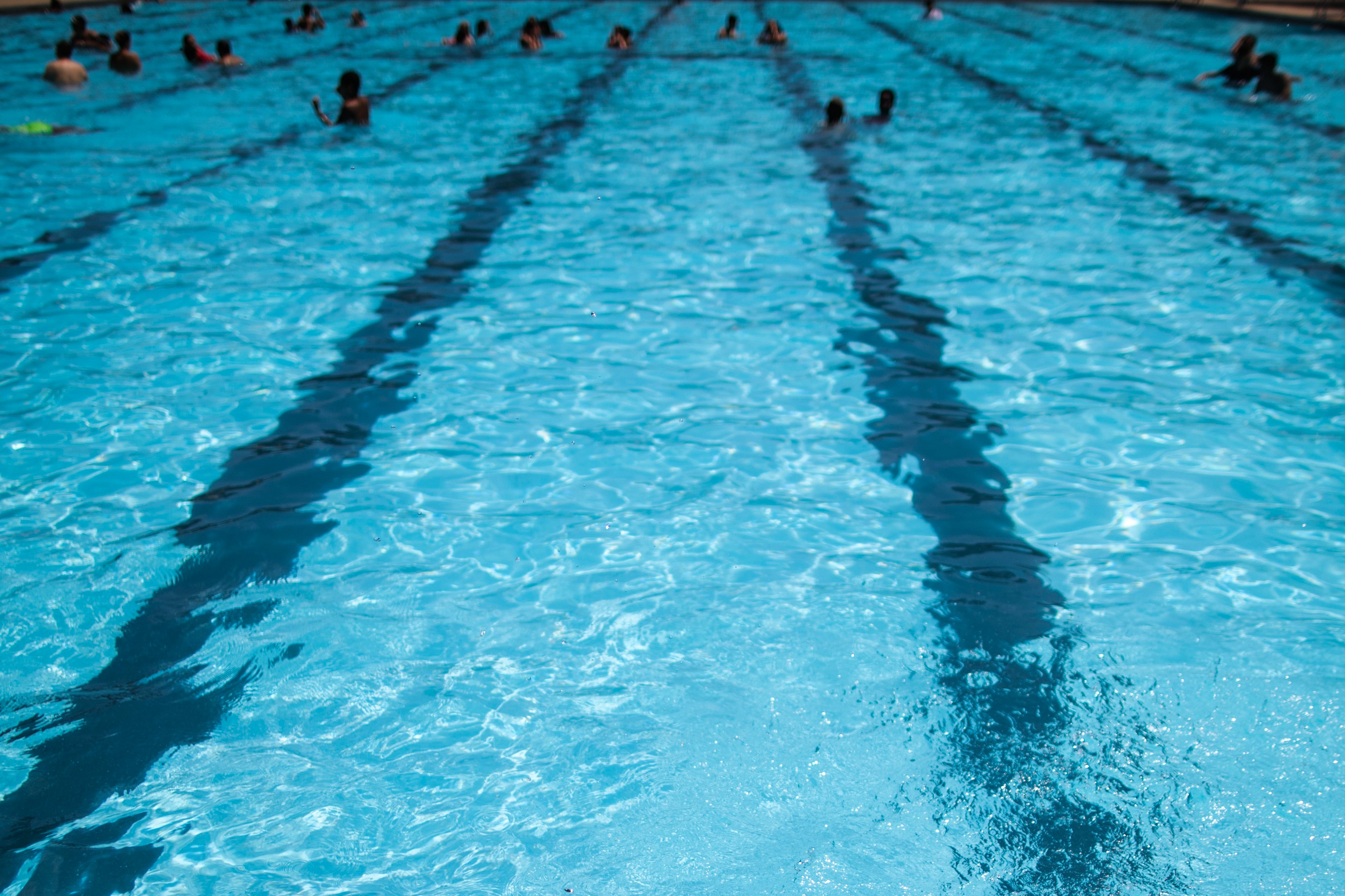
Medical professionals and water safety experts are issuing a critical alert about the silent and rapid nature of child drownings, emphasizing that active adult supervision is the most crucial form of protection. Unlike dramatic portrayals in media, children in distress often do not cry out or struggle visibly, and submersion can occur in mere seconds. Rohit Shenoi, a physician and author of a new American Academy of Pediatrics (AAP) alert, stresses that every second counts in a drowning incident, and prompt rescue and resuscitation are vital for survival and minimizing long-term disabilities. In the United States, an estimated 4,000 to 5,000 people drown annually, with natural bodies of water being common sites for adult fatalities. However, drowning is the leading cause of death for children aged 1 to 4 and a significant cause for those aged 5 to 14, with many incidents occurring in residential pools.
Accidents involving young children in pools often happen despite the presence of adults, due to a false sense of security where no single person is clearly designated as the supervisor. A tragic example is the 1989 death of 21-month-old Stewie Leonard, who drowned in a pool during a family gathering on the island of Saint Martin, even with over a dozen people present. His parents, Stew and Kim Leonard, later founded a foundation to prevent drownings, advocating for swimming lessons and safety campaigns. While accidental child drowning deaths in the U.S. decreased significantly from the 1980s to the early 2000s due to awareness campaigns, swimming lessons, and safety measures like pool fencing, there has been a concerning rise since the COVID-19 pandemic. The number of child drowning fatalities increased from 756 in 2019 to 865 in 2024, with experts suggesting that the interruption of swimming programs and increased unsupervised pool use may have contributed.
While new technologies like submersible alert bracelets offer additional layers of safety, experts reiterate they are supplementary tools, not replacements for vigilant supervision. The AAP recommends a multi-faceted approach including constant adult oversight, age-appropriate swimming instruction, proper use of life jackets, and physical barriers like fenced pools with self-closing gates. For young children, designating a single adult to be solely responsible for watching them near water is paramount, requiring complete attention free from distractions like phones or reading. Stew Leonard emphasizes that swimming lessons should be considered an essential life-saving skill, akin to other extracurricular activities, but with the unique ability to prevent a child's death.
The AAP's alert highlights a critical public health challenge where the perception of risk—particularly the silent, rapid nature of drowning—contrasts sharply with the reality of child fatalities. The data indicating a post-pandemic rise in child drownings suggests that societal disruptions can have cascading negative effects on established safety protocols and access to preventative education like swimming lessons. This trend underscores the fragility of progress in injury prevention and the need for sustained, resilient public health infrastructure. While technological aids are emerging, the emphasis on human vigilance and clearly defined responsibility points to the enduring importance of social systems and community awareness in mitigating preventable deaths. The narrative also implicitly critiques a societal tendency to delegate safety implicitly rather than explicitly, demonstrating how diffusion of responsibility can lead to tragic outcomes, even when many individuals are present.
AI-generated to prompt reflection — not editorial opinion, not advice, not a statement of fact. How this works.