Drowning Risks in Dutch Inland Waters Highlighted Amidst Heatwaves
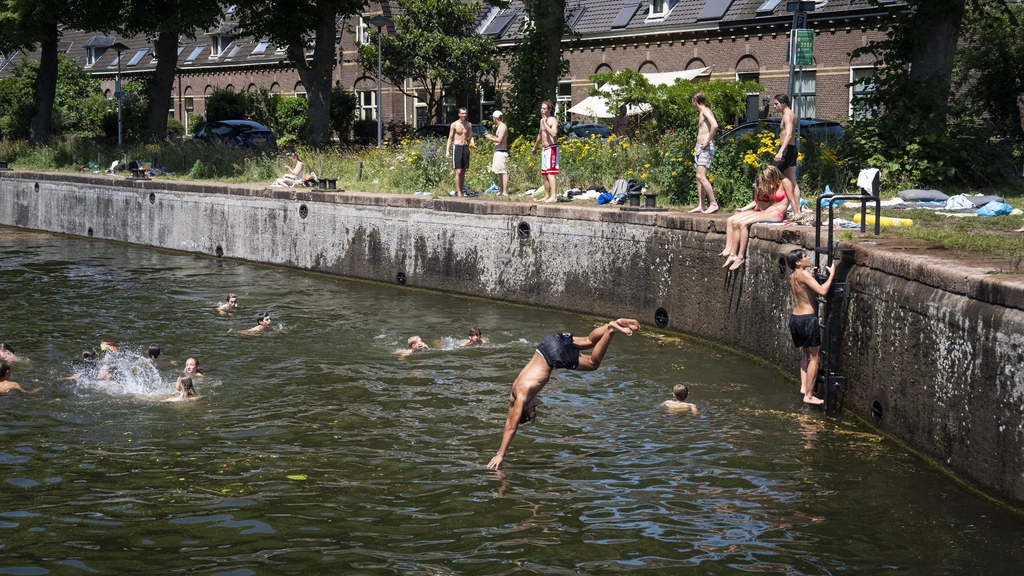
As temperatures rise, experts are warning about the underestimated dangers of swimming in Dutch inland waters like lakes and rivers. Unlike coastal areas where lifeguard presence is common, inland locations often lack supervision, increasing the risk of fatal accidents. Recent heatwaves have tragically underscored this issue, with several deaths reported in recreational lakes and the Waal river. Scientific research indicates that for every degree Celsius increase in average temperature, drowning risk rises by 7%, a risk disproportionately affecting men. Many swimmers lack awareness of underwater hazards such as hidden pits, debris, and strong currents, compounded by the fact that children typically learn to swim in controlled pool environments. Experts emphasize that unpreparedness and panic in open water can lead to severe consequences. The Netherlands is urged to invest more in long-term drowning research and prevention, following the lead of countries like Sweden, Denmark, and Spain, which have established dedicated institutes and robust data collection systems. The Dutch Central Bureau of Statistics reports an average of 125 drowning deaths annually between 2020 and 2024, with 100 deaths last year, including 41 individuals over sixty. Older adults, in particular, may overestimate their swimming abilities and underestimate risks, failing to account for factors like wind affecting their return journey. Water body managers are called upon to implement clearer warnings about hazards and increase professional supervision at designated swimming locations, as less than 10% of inland sites currently have it.
The increasing frequency of warm weather events, amplified by climate change, logically elevates the demand for recreational water activities, thereby increasing inherent risks of drowning. The Dutch context, characterized by numerous water bodies, faces a systemic challenge in adapting safety protocols from controlled environments to unpredictable open waters. A critical gap exists in public education and infrastructure investment regarding inland water safety, contrasting with established coastal safety measures. This disparity suggests a need for a national strategy that integrates scientific research, public awareness campaigns, and enhanced supervision, particularly for vulnerable demographics. Future policy should consider the long-term implications of climate-driven behavioral shifts and prioritize proactive, data-informed safety measures to mitigate preventable tragedies.
AI-generated to prompt reflection — not editorial opinion, not advice, not a statement of fact. How this works.