Drug Control Department Gains Firearm and Dog Squad Powers
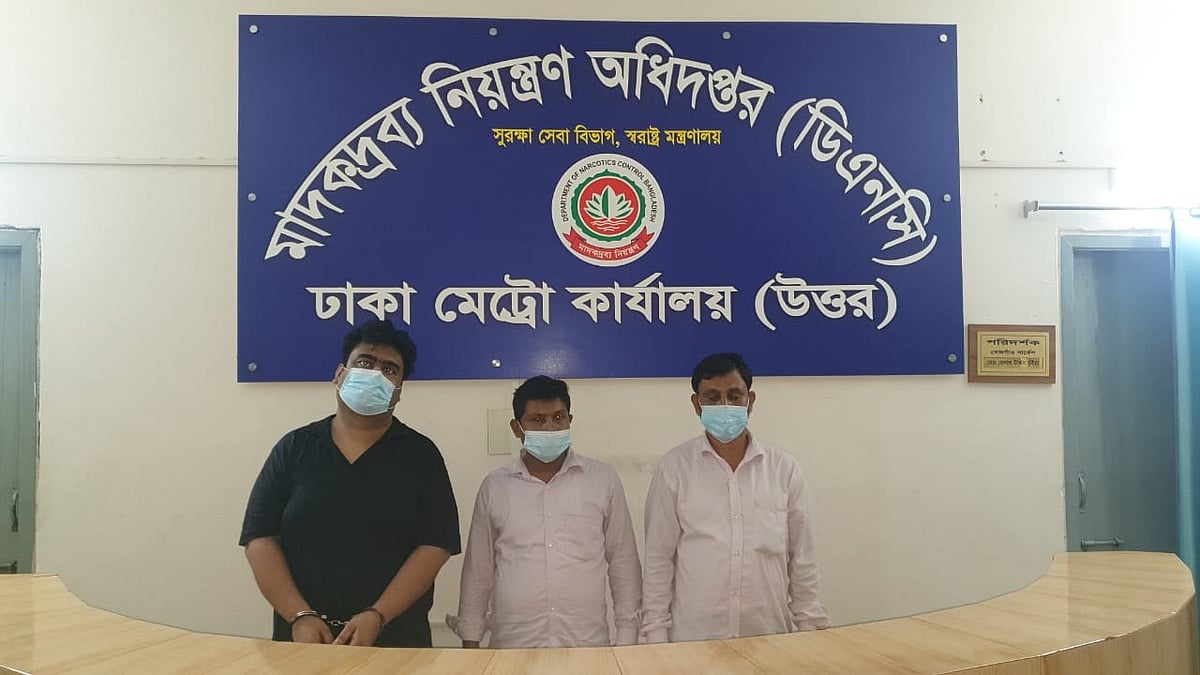
The Department of Narcotics Control in Bangladesh has been granted new powers and resources, including firearms and a dog squad, following the recent passage of the Narcotics Control (Amendment) Act-2026 by the National Parliament. This legislative update empowers the department to enhance its efforts in combating drug-related offenses across the country. The inclusion of firearms signifies a move towards equipping the department with more robust tools for enforcement operations. Furthermore, the establishment of a dog squad is expected to improve the detection capabilities for various illicit substances. These advancements aim to strengthen the overall effectiveness of the narcotics control framework in Bangladesh. The government believes these measures will contribute significantly to reducing drug trafficking and abuse. The amended law provides a clearer legal basis for the department's expanded operational scope. This development is seen as a crucial step in addressing the persistent challenge of drug control within the nation.
The recent legislative amendment granting the Department of Narcotics Control enhanced enforcement capabilities, including firearms and a dog squad, reflects a strategic shift towards more assertive drug interdiction. This move, enabled by the Narcotics Control (Amendment) Act-2026, signals an increasing recognition of the escalating drug problem and the need for upgraded operational tools. From a public policy perspective, such expansions in state power for enforcement often involve a trade-off between security and civil liberties, necessitating robust oversight mechanisms to prevent potential misuse. Looking ahead, the effectiveness of these new powers will depend not only on resource allocation and training but also on the department's ability to integrate these capabilities within a broader strategy that addresses both supply reduction and demand reduction, including public health and rehabilitation initiatives. The long-term impact will be shaped by how these enhanced enforcement tools interact with evolving drug markets and societal challenges in the coming decade.
AI-generated to prompt reflection — not editorial opinion, not advice, not a statement of fact. How this works.