Drunk Driver Arrested After Injuring Child with Autism and Father at Festival in Brazil
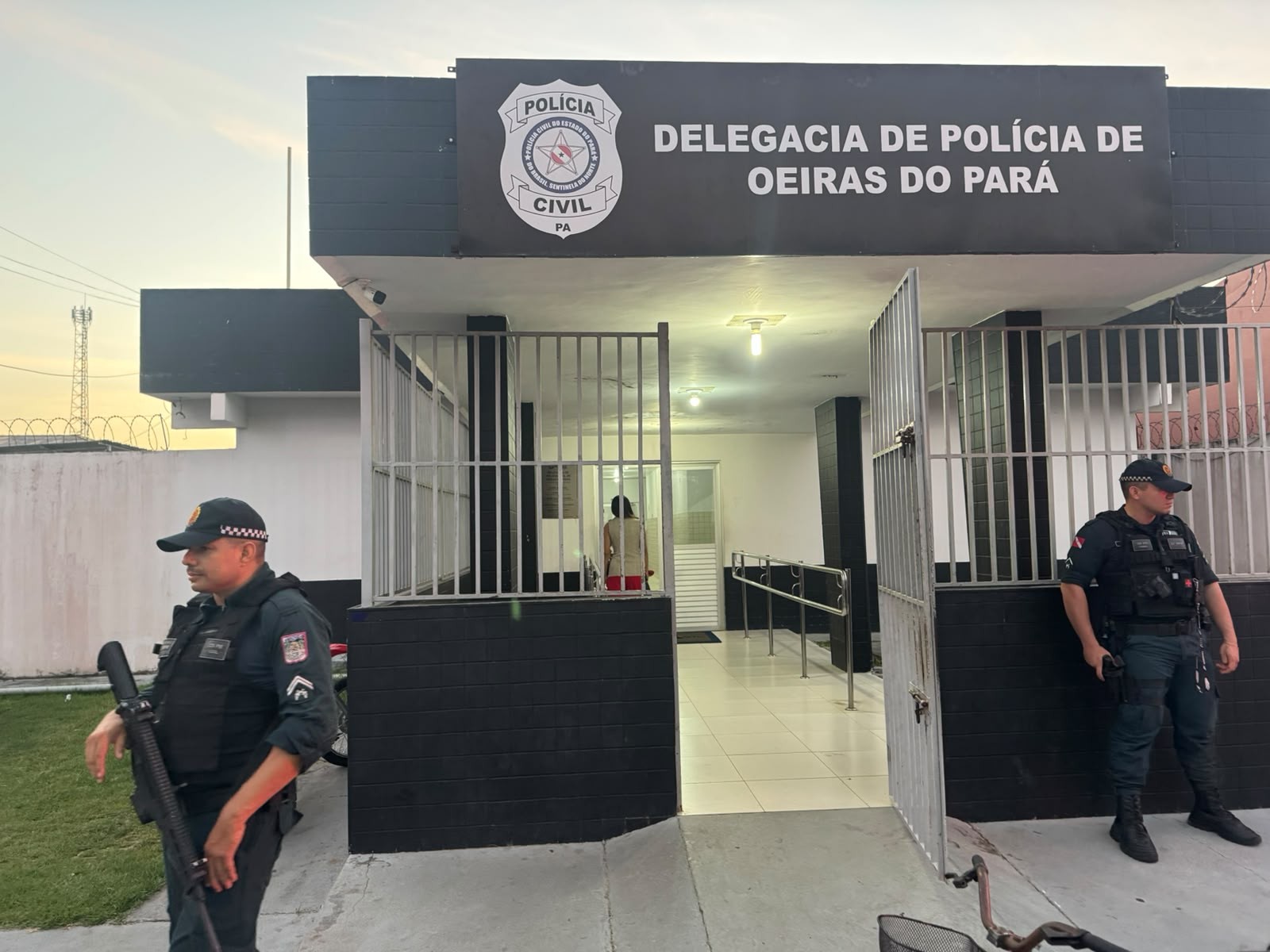
Authorities in Oeiras do Pará, Brazil, arrested a motorcyclist suspected of driving under the influence of alcohol, causing an accident that injured a 3-year-old child with Autism Spectrum Disorder (TEA) and their father. The incident occurred during the annual Shrimp Festival, a four-day event running from July 30 to August 2. The arrest was part of "Operação Festival de Paz" (Peace Festival Operation), an integrated effort by the Civil and Military Police to enhance security and execute judicial warrants. The motorcyclist was reportedly speeding and intoxicated when he collided with the victims' vehicle. The child, who is non-verbal and diagnosed with TEA, sustained facial injuries and required hospitalization for observation. The father also sustained injuries. The motorcyclist allegedly attempted to flee the scene, abandoning his motorcycle due to mechanical failure and escaping on foot without rendering aid. He was later apprehended by the Military Police at a local business. A forensic examination confirmed his alcohol consumption, leading to his arrest for drunk driving and traffic-related bodily harm. The "Operação Festival de Paz" also resulted in the apprehension of two other individuals: one for violating domestic violence protective orders under the Maria da Penha Law, and another for civil arrest due to unpaid child support. All arrested individuals underwent medical examinations and are currently in judicial custody.
This event highlights the persistent challenge of impaired driving, particularly during public gatherings. The integration of law enforcement operations during the festival, aimed at both general security and specific judicial enforcement, demonstrates a multi-faceted approach to public safety. The presence of multiple arrests, including those for domestic violence and child support arrears, suggests that such large events can also serve as opportunities to address outstanding legal matters. From a systemic perspective, the incident underscores the need for robust enforcement of traffic laws and continued public awareness campaigns regarding the dangers of drunk driving. The specific vulnerability of the child with TEA in this instance also points to the broader societal imperative to ensure safety measures are inclusive and consider individuals with diverse needs. Future considerations may involve enhanced technological surveillance or more stringent penalties to deter impaired driving, especially in contexts where public events increase traffic density and potential risks.
AI-generated to prompt reflection — not editorial opinion, not advice, not a statement of fact. How this works.