Drunk motorcyclist flees police, crashes, invades home, and attacks officers in Brazil
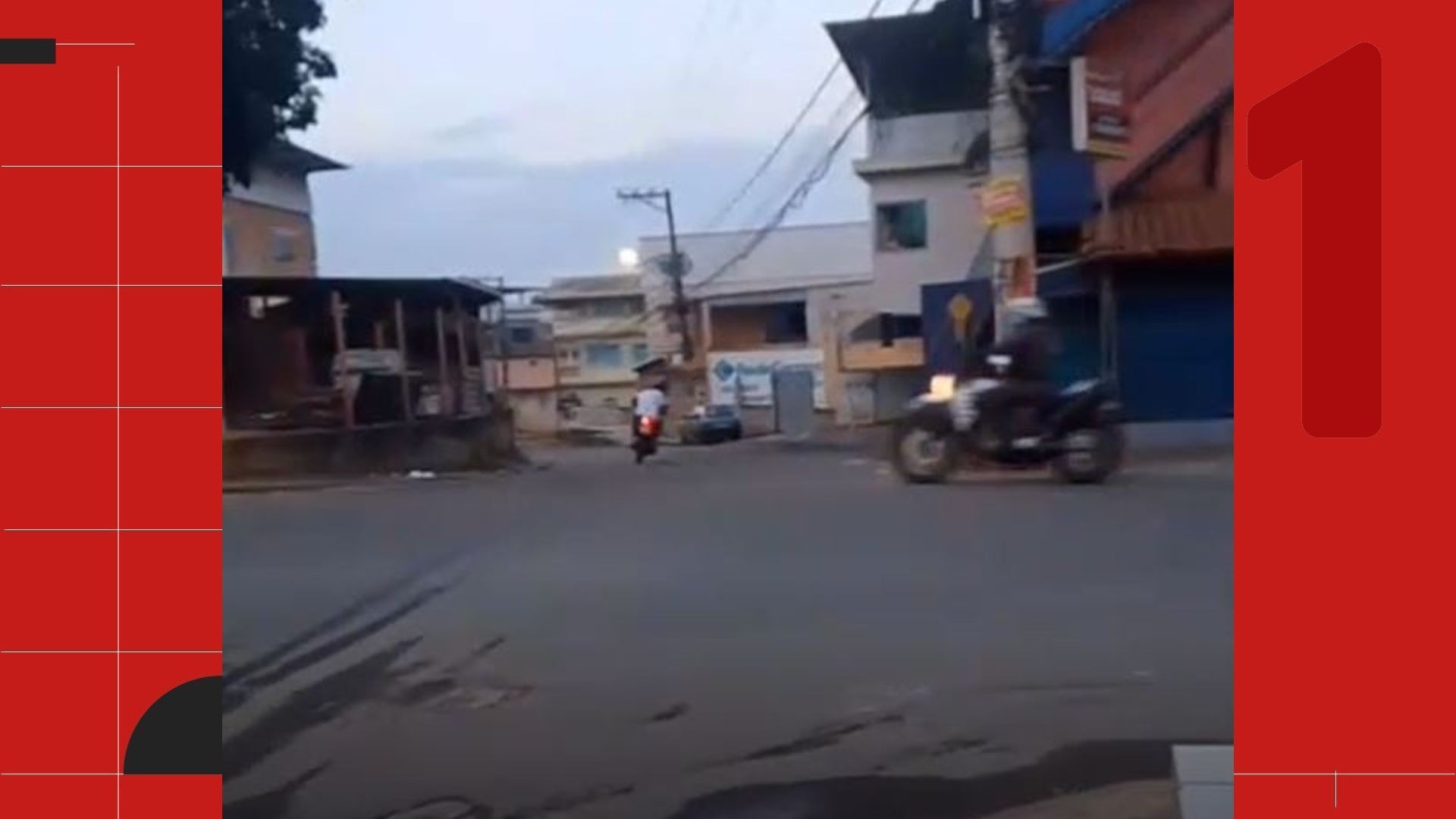
A motorcyclist identified as Valterteires da Silva Olegário was arrested on Saturday night, May 27th, in Cachoeiro de Itapemirim, Espírito Santo, Brazil, after evading a traffic checkpoint. During his escape, Olegário rode against traffic, mounted sidewalks, and nearly struck pedestrians. He also attempted to assault police officers, pushing the handlebars of a police motorcycle and kicking an officer. The pursuit concluded when Olegário abandoned his moving Honda CG Fan 150, which subsequently collided with a Chevrolet Tracker, causing property damage. He then fled on foot into a private residence before being apprehended by authorities. Police reported that Olegário resisted arrest and had to be restrained with immobilization techniques and handcuffs. He exhibited signs of impaired cognitive function, including slurred speech, disorientation, restlessness, and an odor of alcohol. Although a breathalyzer test registered 0.03 mg/L, this was not considered a positive result for intoxication. The motorcycle, found to have expired registration, was impounded by the Detran. Olegário was taken to the Cachoeiro de Itapemirim Regional Police Station and subsequently transferred to the prison system.
The incident highlights the complex interplay between law enforcement's duty to uphold traffic safety and individuals' choices that endanger themselves and others. While the breathalyzer result did not meet the legal threshold for intoxication, the motorcyclist's erratic behavior, including fleeing police, property damage, and physical aggression, indicates a severe disregard for public safety and legal authority. This event underscores the challenges police face in managing high-risk pursuits and the importance of robust de-escalation training. Future considerations might involve enhanced roadside screening protocols for impaired driving and evaluating the risk-benefit of pursuing motorcyclists who pose an immediate danger versus the potential escalation of harm during a chase.
AI-generated to prompt reflection — not editorial opinion, not advice, not a statement of fact. How this works.