Drunk Trucker Arrested After Fatal Hit-and-Run on BR-101
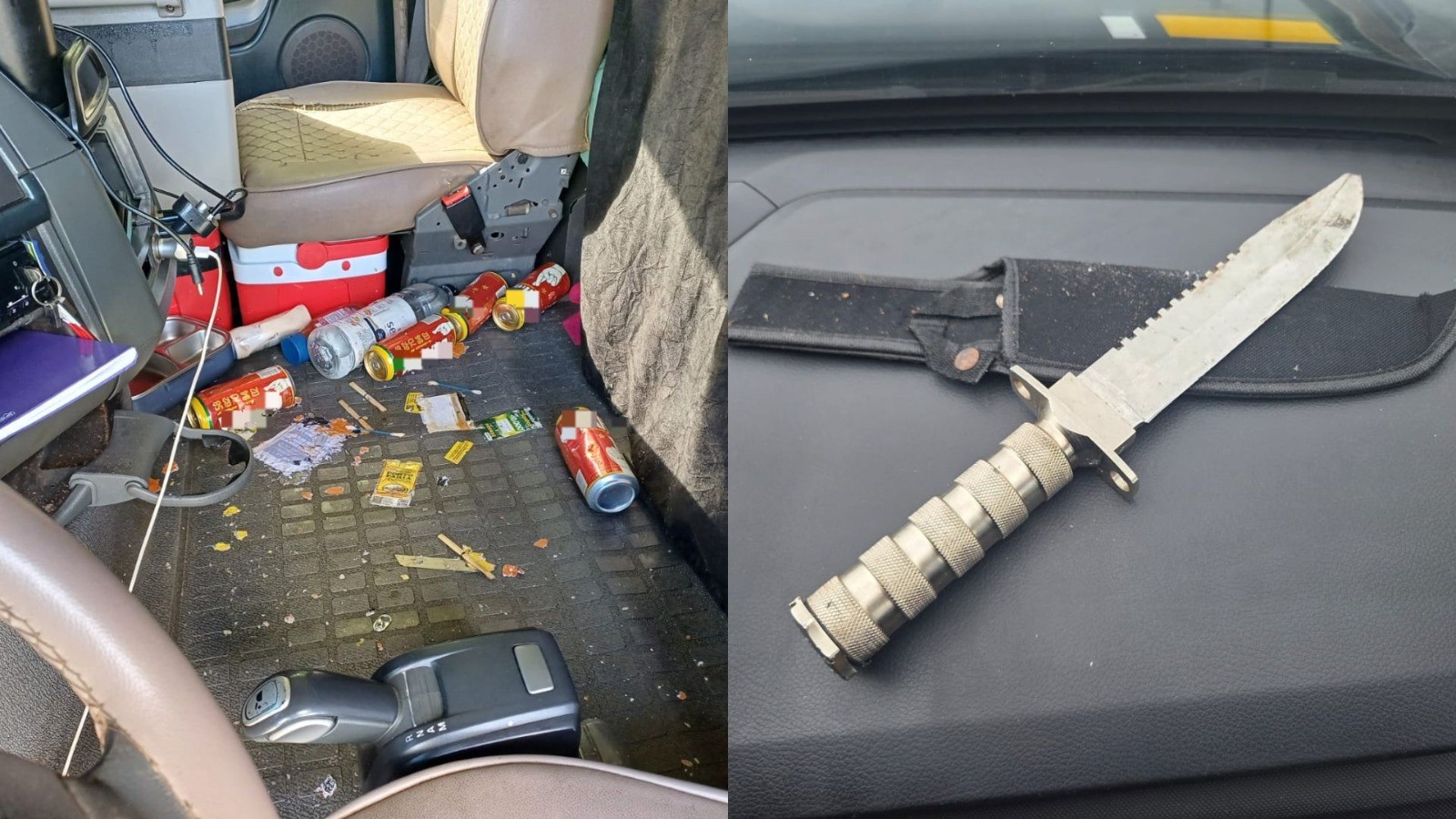
A 43-year-old truck driver was arrested on Sunday, May 5th, in the Greater Recife region of Brazil following a series of accidents on BR-101. The initial incident occurred near the Pernambuco Supply and Logistics Center (Ceasa) in the Western Zone of Recife, where the driver, who was intoxicated, fatally struck a motorcycle passenger. The truck driver fled the scene without rendering aid, prompting a pursuit by three Brazilian Federal Highway Police (PRF) units. During his escape, the driver caused a second collision involving another motorcycle, resulting in two injuries. Authorities located the truck driver at kilometer 99 of BR-101 in Cabo de Santo Agostinho. He was agitated but agreed to a breathalyzer test, which registered 0.63 mg/L of alcohol, a level constituting a traffic crime. The PRF also reported that the driver may have hit four other vehicles during his flight. Inside the truck's cabin, police discovered numerous empty beer cans and a knife. The driver faces charges including vehicular manslaughter, failure to render aid, driving under the influence, and reckless driving. The driver's name has not been released, and further investigation details from the Civil Police are pending.
This incident highlights critical failures in road safety enforcement and personal responsibility. The driver's decision to operate a commercial vehicle while heavily intoxicated, compounded by fleeing the scene and causing further harm, underscores the severe risks associated with impaired driving. The multiple PRF units involved in the pursuit demonstrate the extensive resources required to apprehend such offenders. Future considerations should include enhanced real-time monitoring of commercial vehicles and stricter penalties for drivers who endanger public safety, particularly those with prior offenses or evidence of substance abuse. The presence of alcohol and a weapon within the vehicle suggests a broader pattern of risky behavior that warrants further investigation into the driver's background and potential contributing factors.
AI-generated to prompt reflection — not editorial opinion, not advice, not a statement of fact. How this works.