Drunk, unlicensed driver crashes into five cars, a motorcycle, and a house wall in Itupeva
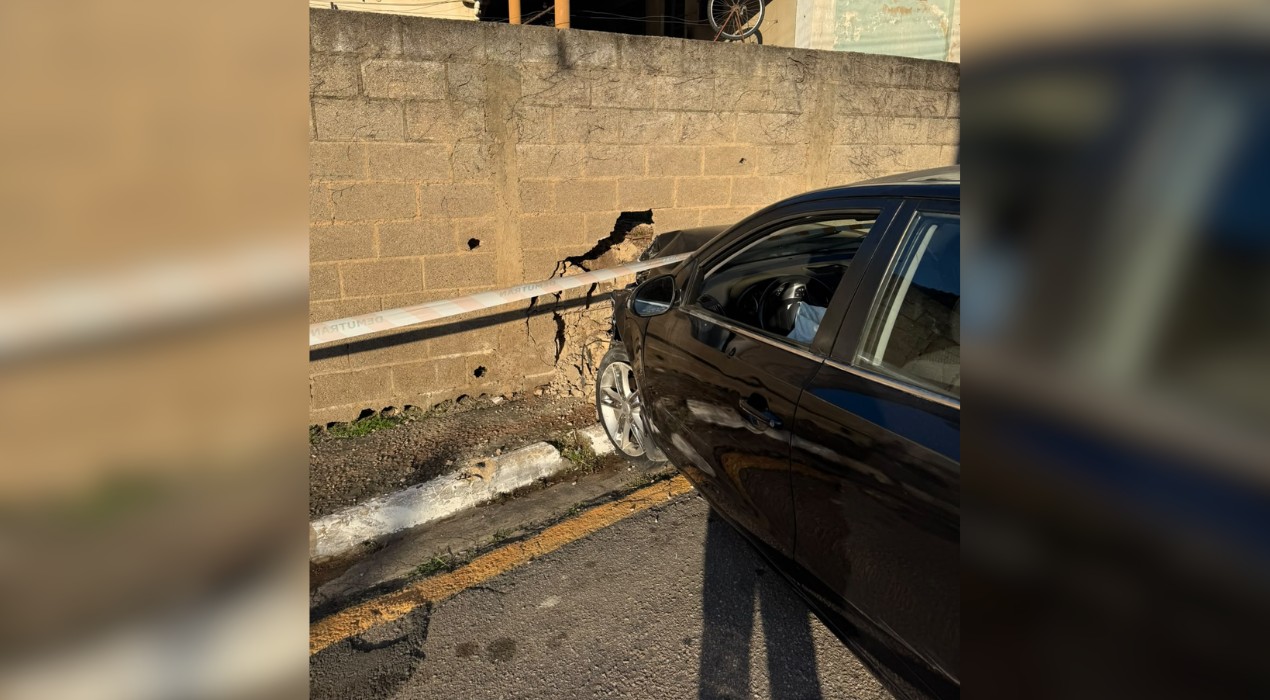
A 48-year-old man, who was driving without a license and under the influence of alcohol, was arrested in Itupeva, São Paulo, on Sunday, February 26th. The incident occurred around 3:57 PM on Rua José Deboni, in the Vila São João neighborhood. The driver lost control of his vehicle, colliding with five parked cars, running over a motorcycle, and finally crashing into the wall of a house. Municipal Civil Guard officers responded to the scene and observed clear signs of intoxication, including unsteady gait, red eyes, slurred speech, and a strong smell of alcohol. An empty can of cachaça was found inside the car. The driver provided incoherent statements, claiming he had never driven before, did not know why he was driving, and could not recall the accident. A breathalyzer test revealed an alcohol level of 1.34 mg/L, significantly exceeding the legal limit. He was taken to a local hospital, where imaging revealed a fractured foot. The delegate set bail at 10 minimum wages for drunk driving and driving without a license, but the amount was not paid. Only the motorcycle was seized due to an illegible chassis number; the other vehicles were returned to their owners after forensic examination.
This incident highlights critical failures in road safety and public order, stemming from an individual operating a vehicle while severely impaired and unlicensed. The event underscores the persistent challenges authorities face in preventing impaired driving and enforcing traffic laws, particularly when combined with a lack of basic licensing. The driver's contradictory statements and claimed lack of memory suggest a profound disconnect from reality, possibly exacerbated by substance abuse. Future interventions might consider enhanced sobriety checkpoints, stricter penalties for repeat offenders, and more accessible rehabilitation programs for individuals with substance dependency issues. The systemic implications involve the need for robust public awareness campaigns and potentially more proactive community-based interventions to identify and assist individuals at risk of engaging in such dangerous behavior.
AI-generated to prompt reflection — not editorial opinion, not advice, not a statement of fact. How this works.