Dry, Cold Weather Worsens Eye Irritation, Potentially Leading to Keratoconus, Experts Warn
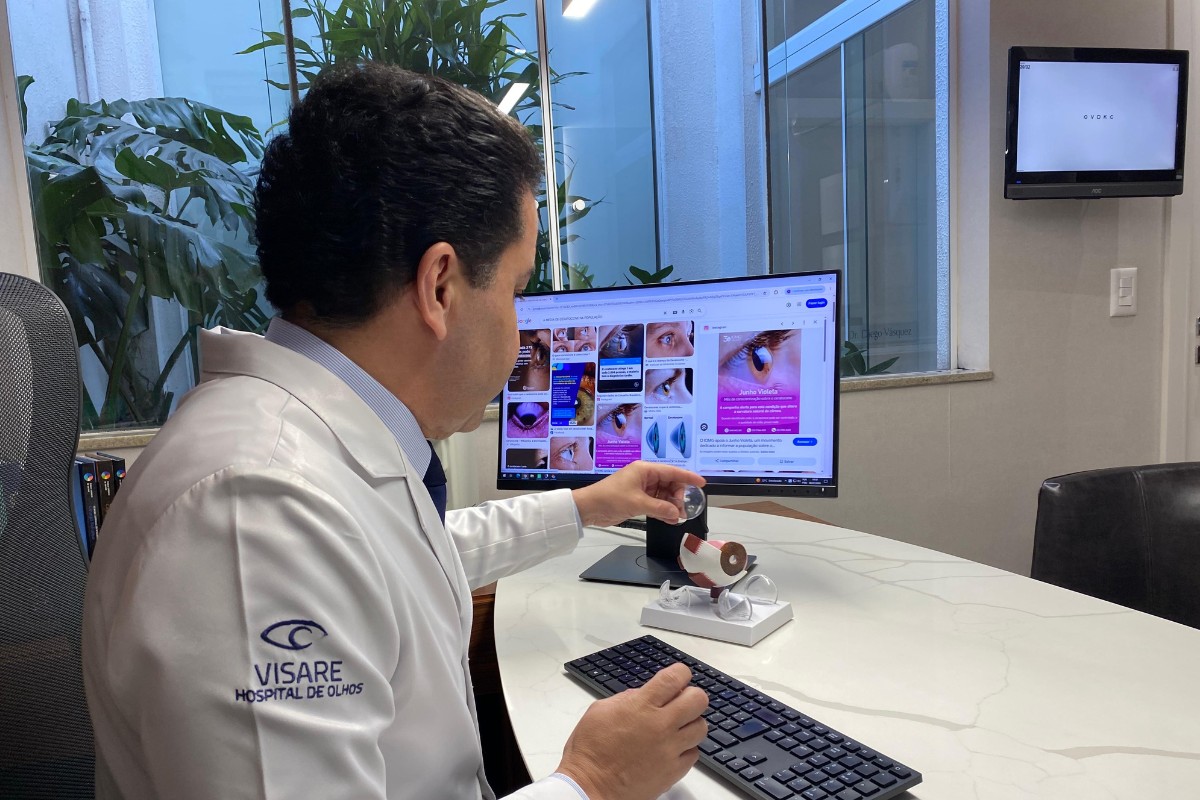
Dry and cold weather conditions, common in winter, increase eye irritation and the urge to rub them, according to specialists in São Paulo's interior. Factors such as low humidity, dust, and mites, exacerbated by indoor heating and air conditioning, contribute to dry eyes. This seemingly harmless habit of rubbing the eyes can lead to or worsen keratoconus, a condition where the cornea thins and develops a cone-like shape, in predisposed individuals. Ophthalmologist Claudio Vieira from Hospital dos Olhos Visare in Presidente Prudente explained that keratoconus symptoms include blurred vision, reduced eyesight, itching, and difficulty driving at night. While genetics can play a role, the physical act of rubbing or pressing the eyes is a significant trigger, with over 80% of keratoconus patients admitting to this habit. The condition typically emerges between ages 10 and 13 and can be mistaken for myopia or astigmatism. Prolonged screen use also reduces blinking frequency, further drying the eyes and increasing the temptation to rub them. Treatments for keratoconus range from crosslinking for early stages to Ferrara ring implants for more advanced cases, with corneal transplants reserved for severe instances. Student Clara Abrami, diagnosed at 19, underwent crosslinking surgery on her left eye after experiencing worsening vision. Other common eye conditions exacerbated by winter include dry eye disease, blepharitis, and styes, presenting symptoms like burning, grittiness, redness, and blurred vision. Allergic conjunctivitis and keratitis, especially for contact lens wearers, are also more prevalent due to increased airborne irritants and eye dryness.
The interplay between environmental conditions and eye health highlights a systemic vulnerability. Winter's dry air and temperature fluctuations, amplified by indoor climate control, create an environment conducive to eye irritation. This irritation, coupled with the prevalent habit of eye-rubbing, acts as a significant trigger for progressive corneal conditions like keratoconus, particularly in genetically susceptible individuals. The analysis suggests that public health messaging should focus not only on symptom relief but also on educating the public about the biomechanical risks associated with eye-rubbing, especially in vulnerable populations. Future interventions might explore novel methods for managing environmental irritants and promoting healthier digital device usage habits to mitigate these risks over the next decade.
AI-generated to prompt reflection — not editorial opinion, not advice, not a statement of fact. How this works.