Dry Fields in Hesse Increase Fire Risk for Farmers
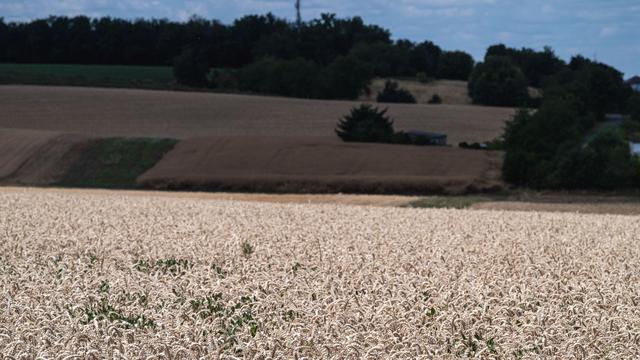
Extremely dry conditions across the German state of Hesse have led to a significant increase in the risk of field fires, posing a serious threat to local farmers and their crops. The prolonged lack of rainfall has left agricultural lands parched, creating a highly flammable environment. Farmers are facing not only the potential loss of their harvests due to drought but also the immediate danger of fires that can spread rapidly through the dry vegetation. This situation highlights the vulnerability of Hesse's agricultural sector to climate-related challenges. Authorities are urging caution and preparedness to mitigate the risks associated with these dry spells. The dry weather poses a dual threat, impacting crop yields and increasing the potential for destructive fires.
The current dry spell in Hesse underscores the growing vulnerability of agricultural regions to climate change impacts, specifically drought and increased fire risk. This situation presents a challenge to food security and the economic stability of farming communities. The interplay between prolonged dryness and fire hazard necessitates a re-evaluation of land management practices and disaster preparedness strategies. Future agricultural policies may need to incorporate more resilient crop varieties, advanced irrigation techniques, and robust fire prevention and response systems. Addressing these systemic issues proactively will be crucial for safeguarding the agricultural sector against escalating environmental risks in the coming decade.
AI-generated to prompt reflection — not editorial opinion, not advice, not a statement of fact. How this works.