Dry Weather Causes Air Humidity to Plummet in Brazil's Paraíba Valley
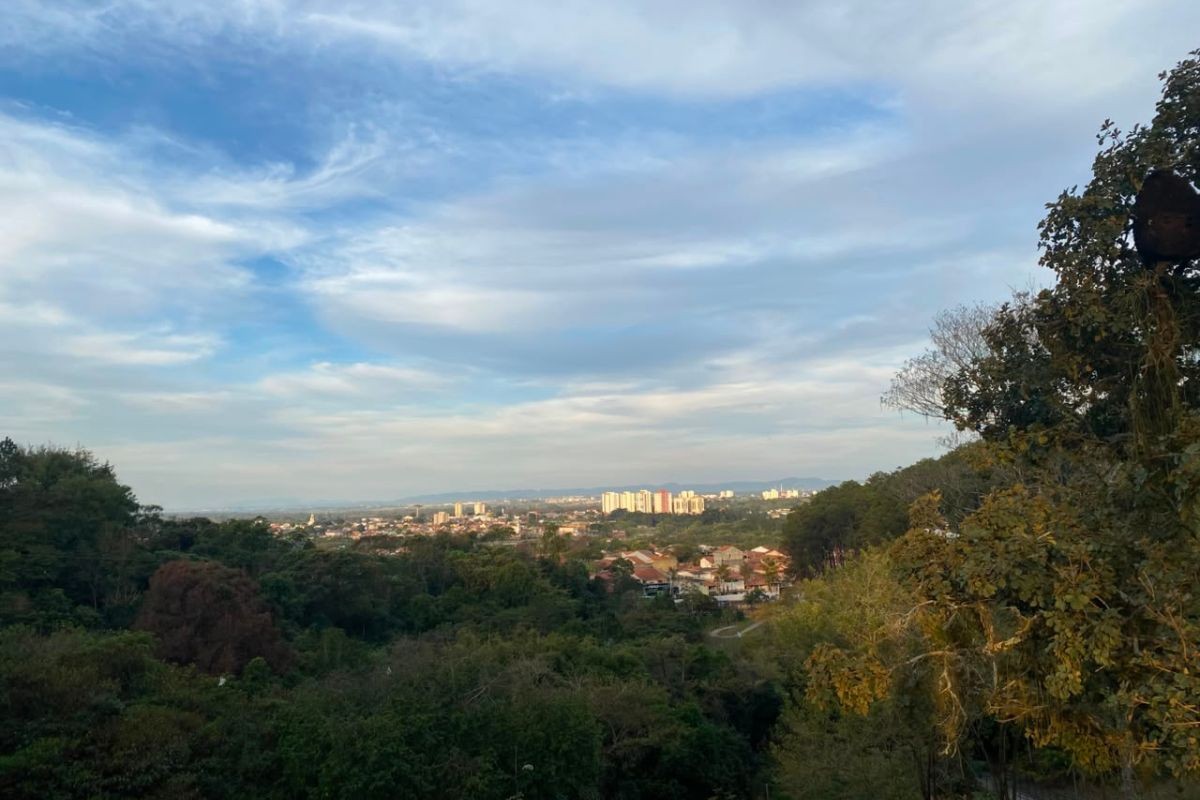
Dry weather conditions have caused relative air humidity levels to significantly drop across Brazil's Paraíba Valley region. On Monday, October 3rd, Taubaté recorded the lowest humidity in the area, reaching a mere 23% at 3 PM, according to data from the National Institute of Meteorology (Inmet). Several other cities, including Cachoeira Paulista, Campos do Jordão, São Luiz do Paraitinga, São José dos Campos, and Bragança Paulista, also experienced humidity levels below 35%. Inmet issued a potential danger alert for low air humidity, predicting levels between 20% and 30% for Monday and maintaining a dry weather alert for Tuesday, October 4th, indicating the continuation of these conditions. The World Health Organization (WHO) advises that humidity below 60% warrants attention, with levels below 30% increasing risks of respiratory problems, eye irritation, dry skin, and discomfort in mucous membranes, particularly for vulnerable groups like children, the elderly, and those with pre-existing respiratory conditions. Recommended measures include frequent fluid intake, limiting physical activity during dry periods, and reducing sun exposure during peak heat hours. The dry spell also heightens the risk of vegetation fires throughout the week, exacerbated by the combination of dry weather, lack of rain, and low humidity, according to the São Paulo State Civil Defense. Medical professionals are also highlighting the health impacts, such as dry skin and mucous membranes, eye irritation, respiratory discomfort, and the worsening of respiratory illnesses.
The persistent dry weather and associated low humidity in Brazil's Paraíba Valley present a dual challenge, impacting both public health and environmental safety. From a public health perspective, the increased incidence of respiratory issues and discomfort due to low humidity underscores the need for proactive public awareness campaigns and accessible health resources, especially for at-risk populations. Environmentally, the heightened risk of vegetation fires, exacerbated by arid conditions, necessitates robust fire prevention strategies and rapid response mechanisms. Looking ahead, the recurring nature of such extreme weather events, potentially amplified by climate change, suggests a systemic need for integrated water management and land-use policies that build resilience against both drought and fire hazards. This situation highlights the interconnectedness of meteorological phenomena, public health infrastructure, and environmental stewardship, demanding a coordinated, long-term approach.
AI-generated to prompt reflection — not editorial opinion, not advice, not a statement of fact. How this works.
