Dubai Expands Port and Orders Tankers to Reduce Reliance on Strait of Hormuz
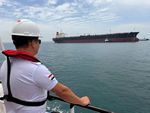
Dubai is undertaking significant infrastructure development to lessen its dependence on the Strait of Hormuz, a critical maritime chokepoint. The emirate is constructing a new port and investing in new pipelines to facilitate trade and energy transport. Concurrently, shipping companies are placing orders for tankers at a record pace, indicating a substantial increase in global tanker capacity. This dual strategy aims to enhance the security and flexibility of energy supply routes. The expansion is a proactive measure to mitigate risks associated with potential disruptions in the Strait of Hormuz, which is a vital passage for a significant portion of global oil and gas shipments. The surge in tanker orders suggests a long-term outlook by the industry anticipating sustained or increased demand for maritime oil transport.
Dubai's strategic port expansion and the concurrent surge in tanker orders reflect a broader global trend of diversifying energy supply chains and mitigating geopolitical risks associated with critical maritime passages like the Strait of Hormuz. This proactive approach by Dubai, coupled with industry-wide investment in tanker capacity, suggests a recognition of the evolving energy landscape and the need for resilient infrastructure. The move positions Dubai to potentially capture increased transit volumes and reinforces its status as a global logistics hub. From a systemic perspective, such investments highlight the interplay between national security interests, global trade dynamics, and the long-term capital allocation decisions within the energy and shipping sectors, particularly in anticipation of future energy demand and potential supply chain vulnerabilities.
AI-generated to prompt reflection — not editorial opinion, not advice, not a statement of fact. How this works.