Dubai's financial allure wanes amid fears of prolonged Middle East conflict
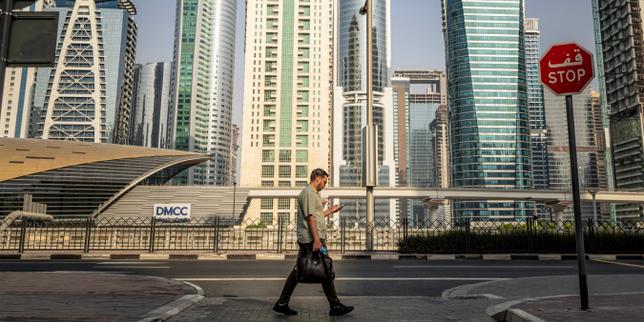
Dubai, a key financial hub in the Middle East, is experiencing a shift in its appeal to global wealth. While the emirate has historically been attractive to 'shadow finance'—referring to financial activities outside traditional banking systems—its role as a safe haven for international fortunes has diminished. This change began in February following the launch of the US-Israeli offensive in Iran. The prevailing uncertainty stemming from the escalating regional tensions is reportedly perceived as more detrimental than the conflict itself. This sentiment suggests a growing apprehension among investors and wealthy individuals about the long-term stability and predictability of the region.
The geopolitical instability in the Middle East, exemplified by the US-Israeli offensive in Iran and its impact on Dubai's financial sector, highlights the delicate balance between regional security and global capital flows. Dubai's traditional role as a financial refuge is being tested, suggesting that prolonged uncertainty, even without direct conflict within the emirate, can significantly disrupt investment confidence. This situation underscores the increasing importance of geopolitical risk assessment in financial planning and the potential for regional conflicts to have far-reaching economic consequences, influencing global investment strategies and the diversification of assets away from perceived high-risk zones.
AI-generated to prompt reflection — not editorial opinion, not advice, not a statement of fact. How this works.
