DuckDuckGo Browser Now Blocks Video Ads by Default
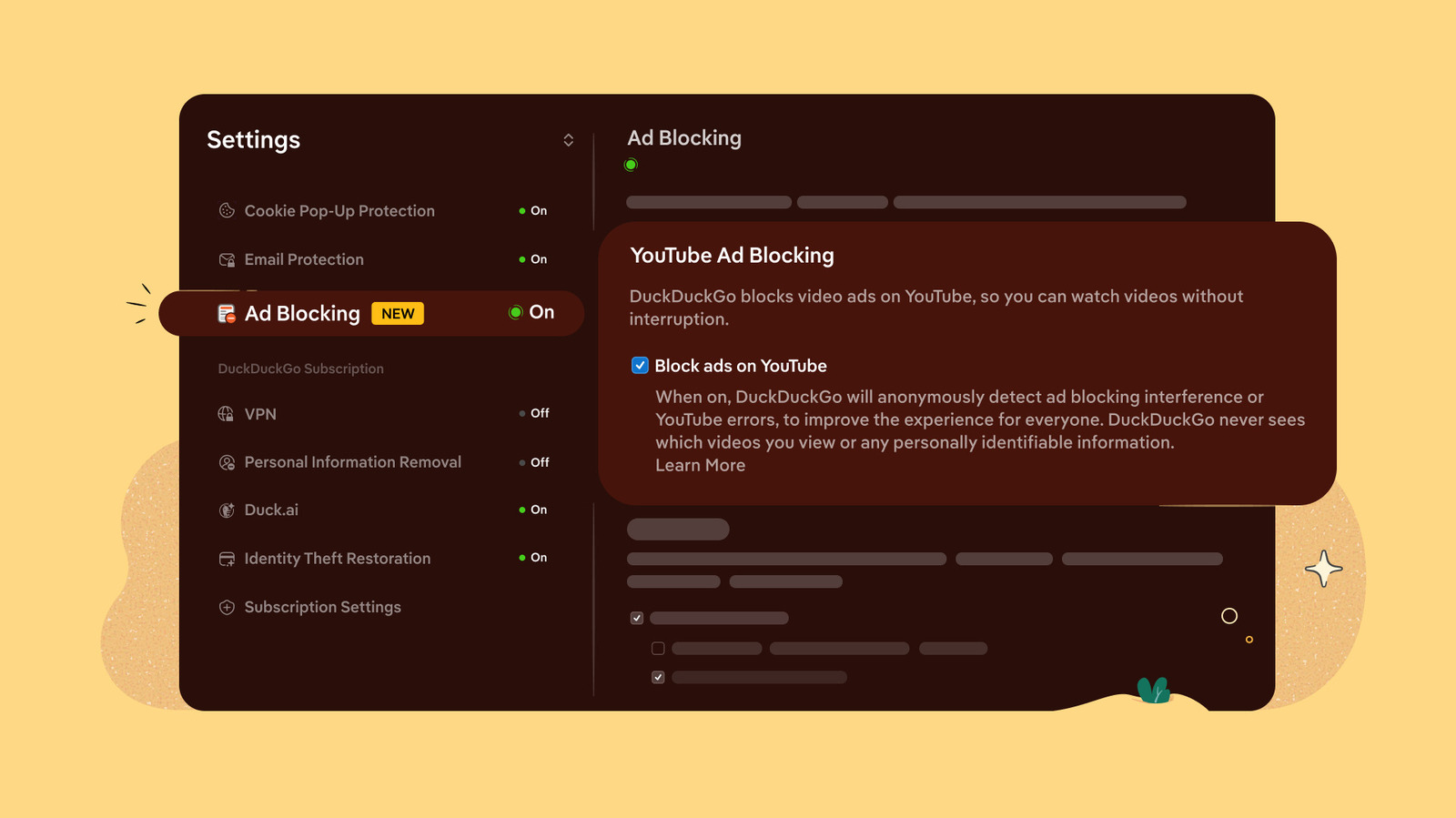
The DuckDuckGo browser has introduced a new feature that automatically blocks video advertisements. This update applies to all video ads encountered while using the browser. The company aims to enhance user privacy and provide a cleaner browsing experience by preventing unwanted video content from playing. This move aligns with DuckDuckGo's broader mission to protect users from online tracking and intrusive advertising practices. The browser's default settings will now ensure that video ads are suppressed without requiring any manual configuration from the user. This functionality is expected to improve browsing speed and reduce data consumption for users. DuckDuckGo has been a proponent of privacy-focused internet browsing, and this latest feature further solidifies its commitment to that principle. The implementation of this ad-blocking capability is designed to offer a more seamless and user-friendly online environment.
The integration of default video ad blocking in the DuckDuckGo browser represents a strategic move to differentiate itself in the competitive browser market by prioritizing user experience and privacy. This feature directly addresses growing user frustration with intrusive video advertising, particularly on platforms like YouTube. By offering a built-in solution, DuckDuckGo aims to capture market share from users seeking an ad-free environment without relying on third-party extensions. This approach could pressure other browser developers to reconsider their ad-handling policies and potentially lead to a broader industry shift towards more user-centric advertising models. The long-term impact will depend on the effectiveness of the blocking technology and its ability to adapt to evolving ad delivery methods, while also navigating potential responses from content platforms.
AI-generated to prompt reflection — not editorial opinion, not advice, not a statement of fact. How this works.