Ducks and Geese Return to Sorocaba City Hall Lake After 35-Day Quarantine
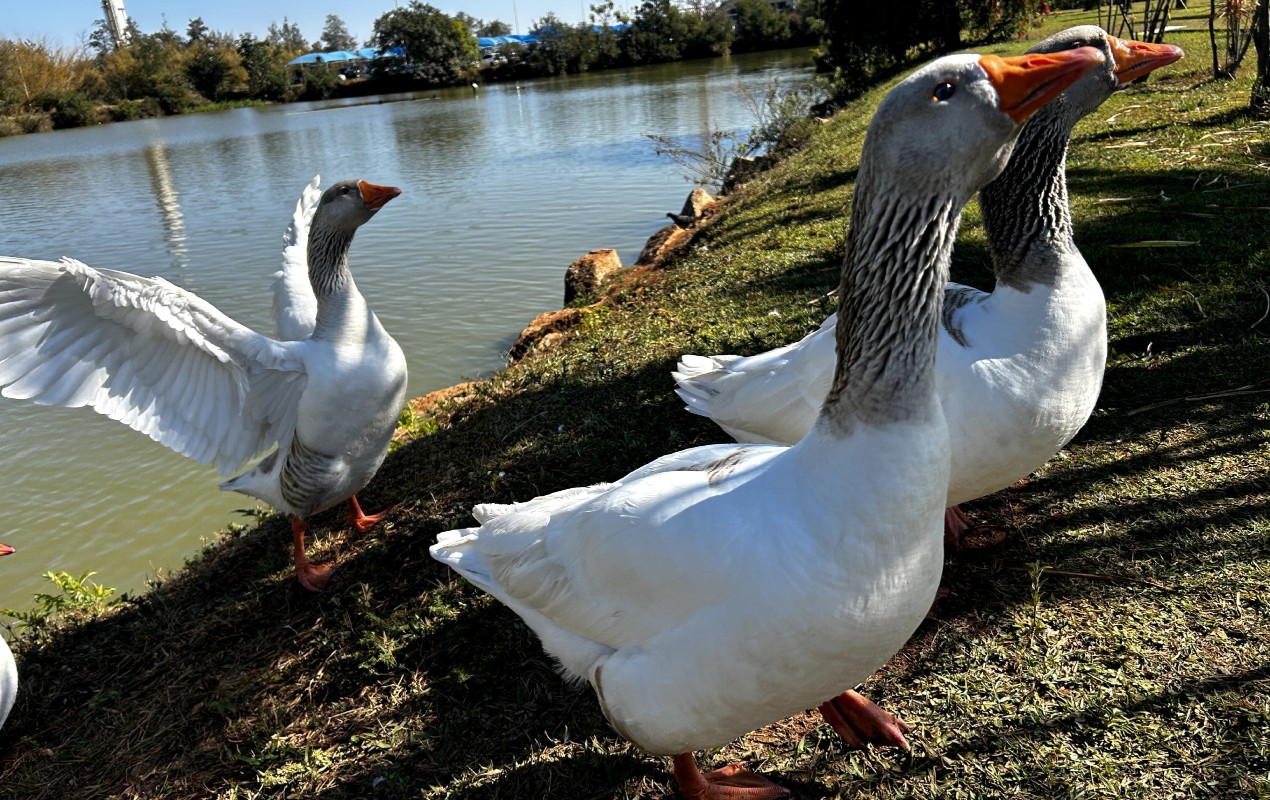
Twenty-two birds, including ducks and geese, have returned to the lake at the Sorocaba City Hall (Paço Municipal) in São Paulo, Brazil, on June 26th, following a 35-day quarantine. The birds were initially removed from the lake in May after eight ducks died. The Sorocaba municipality stated that the birds were returned because health tests did not indicate any sanitary risks. Birds that could not be captured remained in the lake under daily monitoring. The quarantine, held at the former Civil Guard kennel, aimed to reduce sanitary risks, allow clinical observation, and help determine the causes of the deaths. The municipality indicated that new sanitary measures could be implemented if necessary based on exam results. During the city's Festa Julina, the birds were kept in an isolated area with partitions, away from public access. The Secretariat of the Environment monitors the local fauna and will take action if any risks are identified. The ducks, commonly known as Muscovy ducks, are domestic aquatic birds that live freely in the park, are fed daily, and reproduce in the vegetation, island, and building overhangs. Geese in the park are a breed originating from the domestication of the Swan Goose, native to Asia. Both species are noted for their roles in pest control and fertilization, though the geese, being non-native, may compete with local wild birds.
The temporary relocation of waterfowl from the Sorocaba City Hall lake, prompted by avian mortality, highlights the complex interplay between urban ecosystems, public health, and animal welfare. The municipality's response, involving quarantine and health testing, demonstrates a commitment to understanding and mitigating potential sanitary risks. However, the presence of non-native goose species raises questions about long-term ecological balance and potential competition with native wildlife. Future urban planning could consider incorporating more robust ecological assessments to proactively manage biodiversity within public spaces, ensuring that domestic and introduced species do not inadvertently displace local fauna or create unforeseen environmental pressures. This situation underscores the need for adaptive management strategies in urban environments, balancing human activity with the preservation of natural systems.
AI-generated to prompt reflection — not editorial opinion, not advice, not a statement of fact. How this works.
