Dumont, SP Mayor Declares 'War Zone' After 160 km/h Winds Devastate City
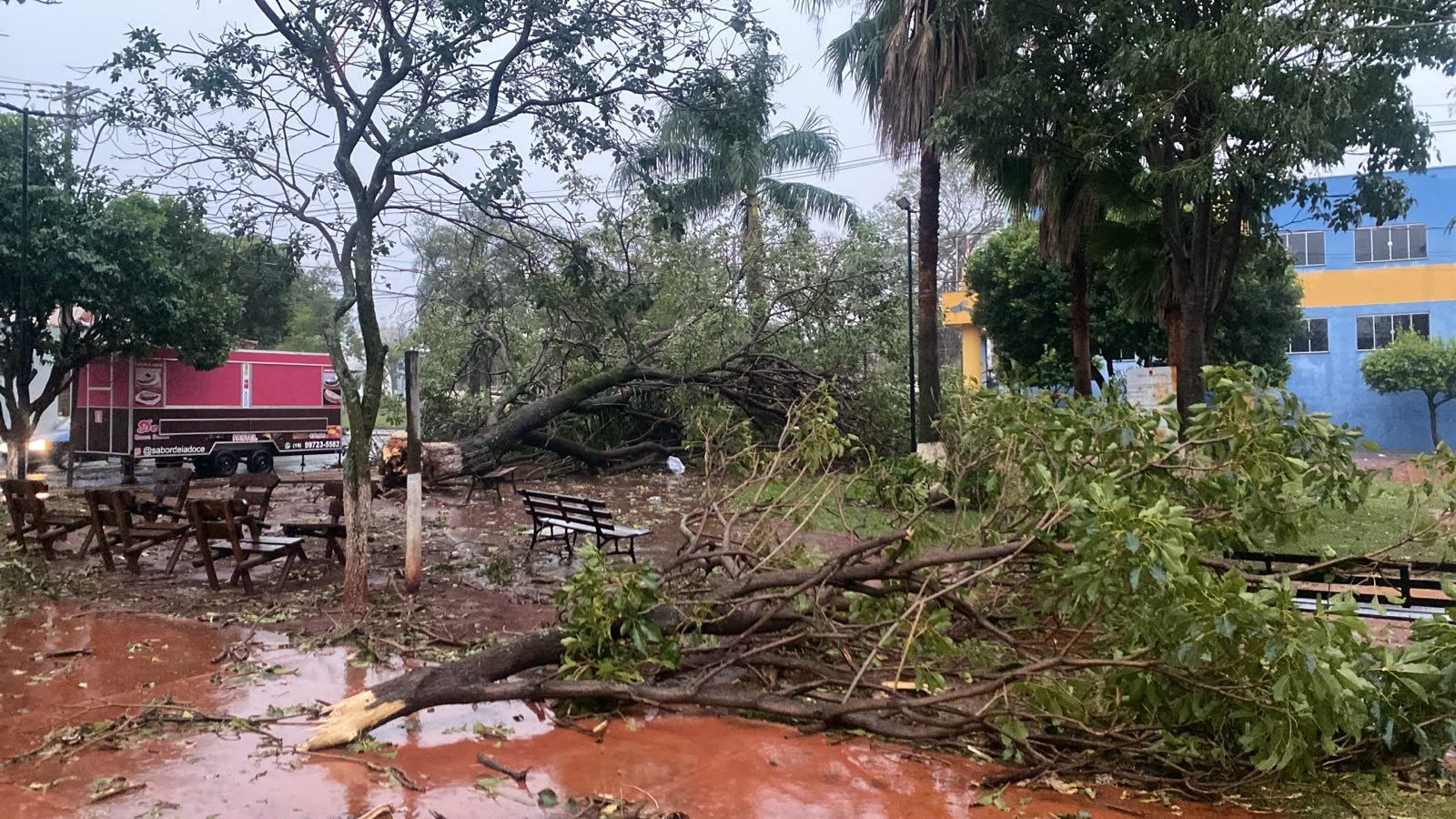
Dumont, a city in São Paulo state, Brazil, with a population of 9,471, was severely impacted by a powerful storm on Friday, November 24th. Mayor Rogerson Ruiz described the aftermath as a "war zone" due to widespread destruction from winds reaching up to 160 km/h. As of Monday, November 27th, at least 80 homes had sustained damage, with the number expected to rise. Thankfully, no fatalities or serious injuries were reported in the municipality. Governor Tarcísio de Freitas confirmed the wind speeds in the Ribeirão Preto region, which was also affected, along with several other municipalities including Guariba, Pradópolis, Taquaritinga, Barrinha, and Ribeirão Preto itself.
Families displaced by the storm have largely found shelter with relatives, while the city has also established a temporary shelter at the Elderly Center. Dumont has received donations of clothing, blankets, and food from neighboring cities, with an ongoing need for food baskets, hygiene products, cleaning supplies, mattresses, beds, and furniture. Water supply has been restored, and most electricity was back online by Monday evening, though some areas, including the industrial district and rural zones, still experienced outages. Public buildings suffered roof damage and broken windows, and schools are being assessed for safety before classes can resume, with a potential restart on Tuesday, November 28th, or Wednesday, November 29th.
Both industry and agriculture were hit hard, with a sofa factory's warehouse destroyed and agricultural producers reporting losses to warehouses, inventory, and peanut crops. The city has declared a state of emergency, recognized at both state and federal levels, as it works on a damage assessment to secure aid for reconstruction. Emergency response efforts are being coordinated through a dedicated gabinete de emergência, with significant assistance arriving from regional municipalities and even a town in Minas Gerais.
The severe storm in Dumont, SP, highlights the increasing vulnerability of Brazilian municipalities to extreme weather events, exacerbated by climate change. The "war zone" description, while emotional, underscores the critical need for robust urban planning and infrastructure resilience, particularly in smaller cities with limited resources. The swift declaration of a state of emergency and the mobilization of aid demonstrate effective local governance, but the long-term challenge lies in securing sustainable funding for reconstruction and implementing preventative measures against future events. The reliance on inter-municipal aid points to a potential systemic gap in disaster preparedness at a broader regional or national level, suggesting a need for enhanced coordination and resource allocation frameworks to mitigate the impact of such meteorological shocks on communities.
AI-generated to prompt reflection — not editorial opinion, not advice, not a statement of fact. How this works.