Duplicating Small Parts with Silicone Molds
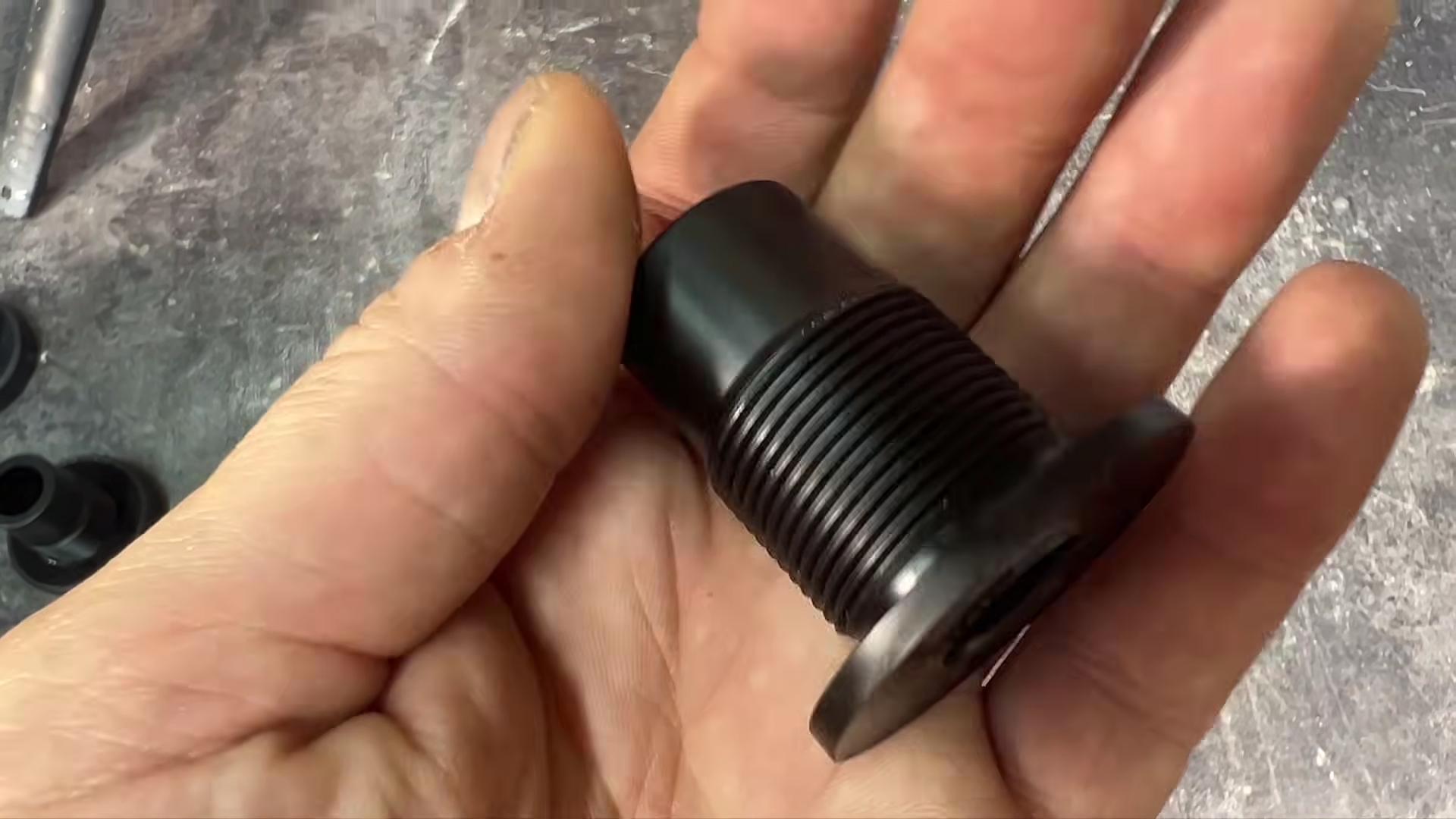
The company 'Do As I Do' faced a challenge requiring the duplication of several small parts. The objective was to produce these parts in a certain quantity while ensuring high dimensional accuracy and a superior surface finish. To achieve this, the team utilized silicone molding techniques. This method involves creating a mold from an existing part, which can then be used to cast multiple replicas. The process is particularly effective for complex geometries and materials that are difficult to machine directly. The success of this approach hinges on the precise formulation of the silicone, the careful execution of the molding process to capture fine details, and the selection of appropriate casting materials. This technique allows for efficient replication of components, meeting the specific requirements for accuracy and finish.
The application of silicone molding for part duplication addresses a common manufacturing need for cost-effective replication of components with tight tolerances. This method offers a viable alternative to traditional subtractive manufacturing, especially for low-to-medium volume production runs or when dealing with intricate designs. The success of such a process is contingent on material science, process control, and quality assurance to meet dimensional and surface finish specifications. Future advancements in silicone formulations and 3D printing for rapid mold creation could further enhance the efficiency and accessibility of this duplication technique, potentially impacting prototyping and small-scale manufacturing sectors.
AI-generated to prompt reflection — not editorial opinion, not advice, not a statement of fact. How this works.