Durban Drive-In Becomes Symbol of Xenophobia and Malawian Desperation
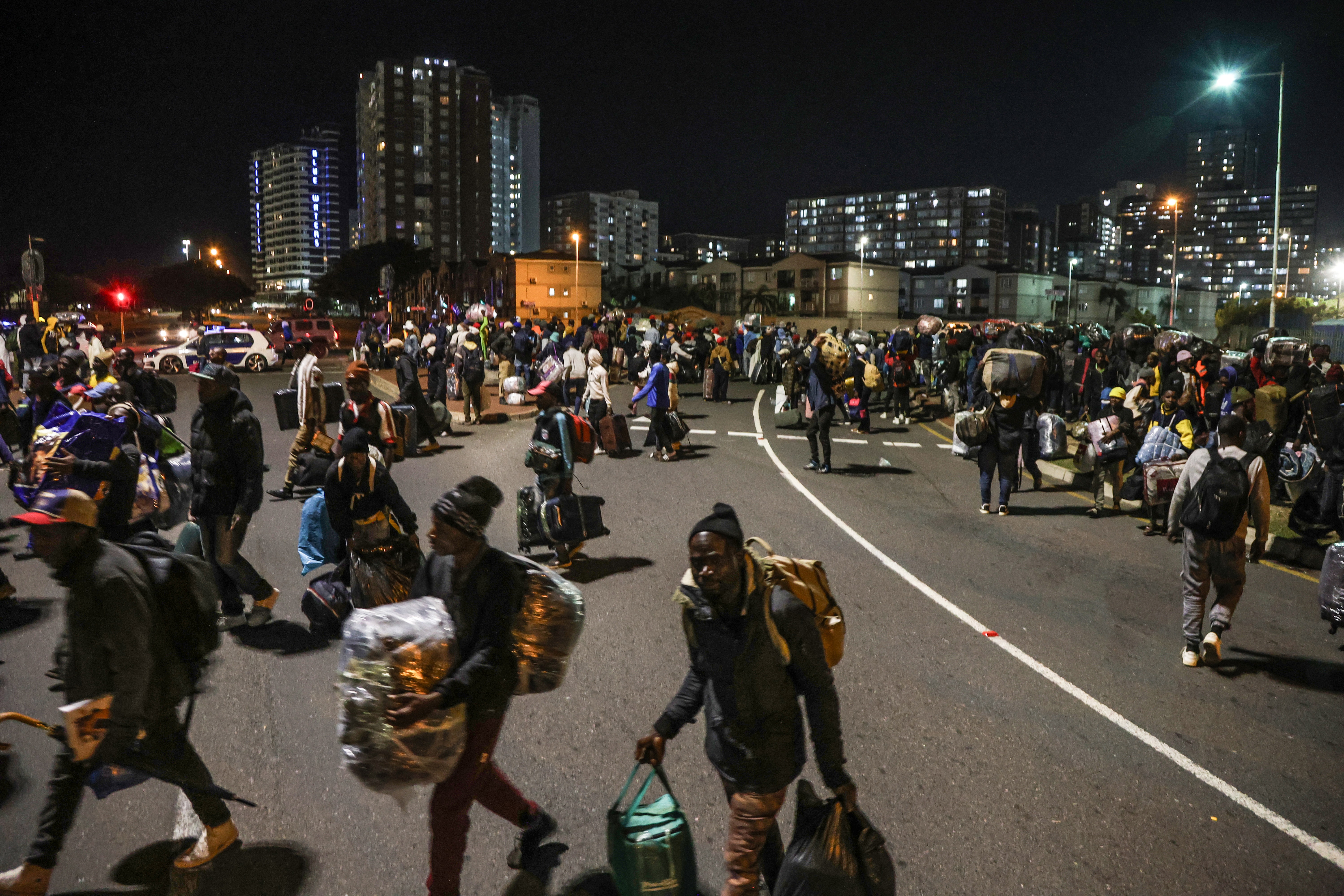
The former Durban Drive-In site in South Africa has become a refuge for Malawians fleeing xenophobic violence. This transformation underscores a significant humanitarian crisis and points to inefficiencies within the South African government's response. The situation highlights the desperation faced by Malawian nationals seeking safety and shelter. The site, once a place of entertainment, now represents the stark reality of displacement and the challenges of providing adequate humanitarian aid. The ongoing violence and the resulting influx of refugees to this makeshift camp expose deep-seated issues of xenophobia within South Africa. Authorities are grappling with the scale of the crisis, struggling to manage the needs of the displaced population effectively. The plight of the Malawians at the Durban Drive-In serves as a visible manifestation of the broader challenges South Africa faces in addressing xenophobic attacks and ensuring the safety of foreign nationals.
The transformation of the Durban Drive-In into a refugee site highlights the persistent challenges of xenophobia in South Africa and the strain on humanitarian response systems. The situation reveals a critical need for more robust and proactive government strategies to prevent and manage xenophobic violence, alongside efficient mechanisms for supporting displaced populations. Looking ahead, addressing the root causes of xenophobia, fostering social cohesion, and strengthening the capacity of state institutions to protect all residents, regardless of nationality, will be crucial for long-term stability and human security in the region. The event prompts reflection on the effectiveness of current integration policies and the potential for systemic improvements to prevent future humanitarian crises.
AI-generated to prompt reflection — not editorial opinion, not advice, not a statement of fact. How this works.