Dust Devils Swirl Through Palmas Amid Dry Season Conditions
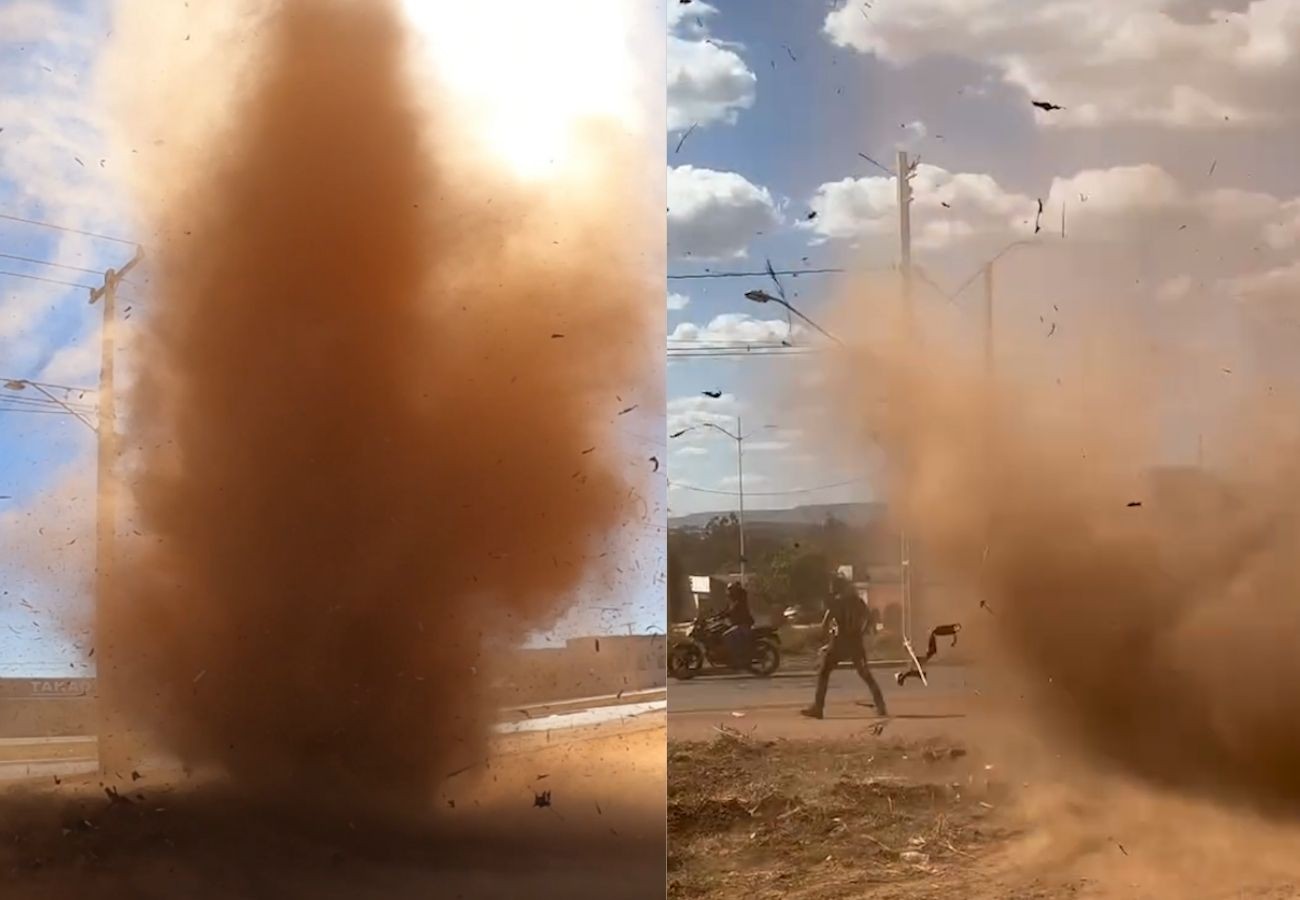
Residents of Palmas, Tocantins, have recently witnessed dust devils, a common phenomenon during the dry season. Videos captured on Monday, September 6th, show these swirling columns of dust in various locations, including Quadra 912 Sul and Aureny. One resident, Karoline Machado, had to take shelter inside a car to avoid the dust while filming the event. According to meteorologist José Luiz Cabral from the State University of Tocantins, dust devils form when superheated ground transfers intense heat to the air above it. This creates a rapid, spiraling updraft of air, forming a mini low-pressure center that lifts dust. The phenomenon is characterized by strong sunlight, low humidity, and weak winds, with a significant temperature difference between the air near the ground and higher altitudes. While these dust devils can lift debris like bags and leaves, as observed by content creator Fernando Angelo, they are distinct from tornadoes. Dust devils occur on clear, dry days and their winds typically reach speeds of up to 200 km/h, capable of causing minor damage like lifting roof tiles or breaking branches. Tornadoes, conversely, require storm conditions and specific wind combinations to form. Meteorologists caution that dust devils can become more dangerous, known as fire whirls, when they occur in vegetated or rural areas during peak fire seasons. The extreme heat from fires can create rotating columns of fire, ash, and gases.
The recent sightings of dust devils in Palmas highlight the predictable meteorological patterns associated with the region's dry season. These events, while visually striking and potentially disruptive, are a natural consequence of intense solar heating of the ground and atmospheric instability. The distinction between dust devils and more destructive phenomena like tornadoes is crucial for public safety and understanding. The mention of fire whirls underscores the heightened risk during periods of drought and increased wildfire activity, where natural weather patterns can interact with human-caused environmental stressors. Future urban planning and land management in such regions might consider the increased frequency of these phenomena, especially fire whirls, by implementing robust fire prevention strategies and maintaining adequate buffer zones around populated areas to mitigate risks associated with extreme weather events exacerbated by environmental conditions.
AI-generated to prompt reflection — not editorial opinion, not advice, not a statement of fact. How this works.