Dutch Ambassador Revokes Travel Permission for Venezuelan Opposition Leader Machado
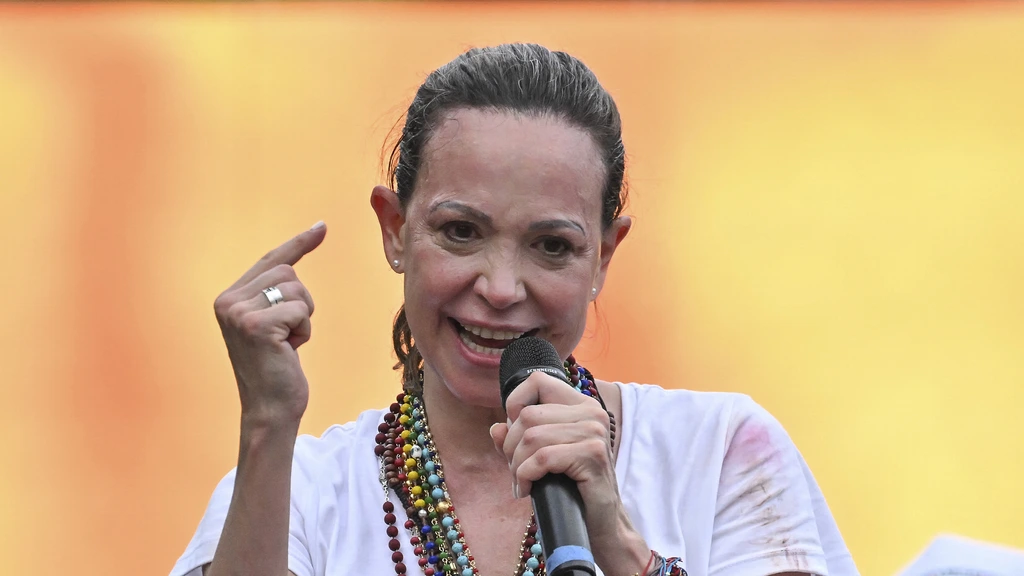
The Dutch ambassador to the United States, Birgitta Tazelaar, rescinded permission for Venezuelan opposition leader María Corina Machado to travel to Curaçao, a Dutch Caribbean island, and subsequently to Venezuela. Ambassador Tazelaar had initially granted Machado permission on June 24 to fly to Curaçao without a valid passport, following earthquakes in Venezuela. The intention was for Machado to then transit to her home country. However, Tazelaar withdrew this authorization the following day, forcing Machado's plane to return to the U.S., where she resides in exile. Machado, lacking a valid passport, was dependent on Dutch cooperation for this travel. The situation arose from confusion regarding U.S. support for Machado's return. Axios reported that Tazelaar believed she had received approval from U.S. Deputy Secretary of State Chris Landau, who stated that Secretary of State Marco Rubio had sanctioned the trip, but this was inaccurate. Some U.S. officials reportedly deemed it unwise for Machado to gain prominence through earthquake relief efforts or to appear actively supported and protected by the U.S. While Machado has praised President Trump, the White House views her as a potential disruptor in Venezuela. On June 25, Tazelaar contacted Mike Kozak, the Assistant Secretary for Western Hemisphere Affairs, after developing doubts about the U.S. commitment. Kozak clarified the official U.S. stance, and a source indicated that Tazelaar expressed significant confusion due to receiving conflicting messages from the U.S. State Department within a 24-hour period. The Dutch Ministry of Foreign Affairs declined to comment on the matter. Machado's flight was already airborne when permission was revoked, forcing her aircraft to return to Manassas, Virginia. Machado's subsequent attempt to travel to Panama, and then to Venezuela from Panama, also failed due to U.S. objections. This suggests internal divisions within the U.S. State Department, with Landau reportedly being a strong Machado ally, unlike Secretary Rubio. Machado previously fled Venezuela in December to receive the Nobel Peace Prize in Oslo, an event in which the Netherlands was also involved in facilitating her departure from Venezuela via Curaçao and then to Oslo.
The diplomatic miscommunication surrounding María Corina Machado's attempted travel highlights the complex geopolitical maneuvering and internal U.S. State Department dynamics influencing Venezuelan opposition support. The incident underscores how differing factions within a government can create policy inconsistencies, leading to confusion and diplomatic fallout. For future international cooperation, clear communication protocols and verified approval chains are essential to prevent such disruptions. The scenario also raises questions about the strategic implications of supporting opposition figures, balancing stated democratic ideals with pragmatic concerns about stability and potential unintended consequences in volatile regions. The incident serves as a case study in the challenges of projecting influence and managing alliances in politically sensitive contexts, particularly when domestic political considerations may override foreign policy objectives.
AI-generated to prompt reflection — not editorial opinion, not advice, not a statement of fact. How this works.