Dutch archaeologists discover 3,000-year-old tomb in Luxor, Egypt
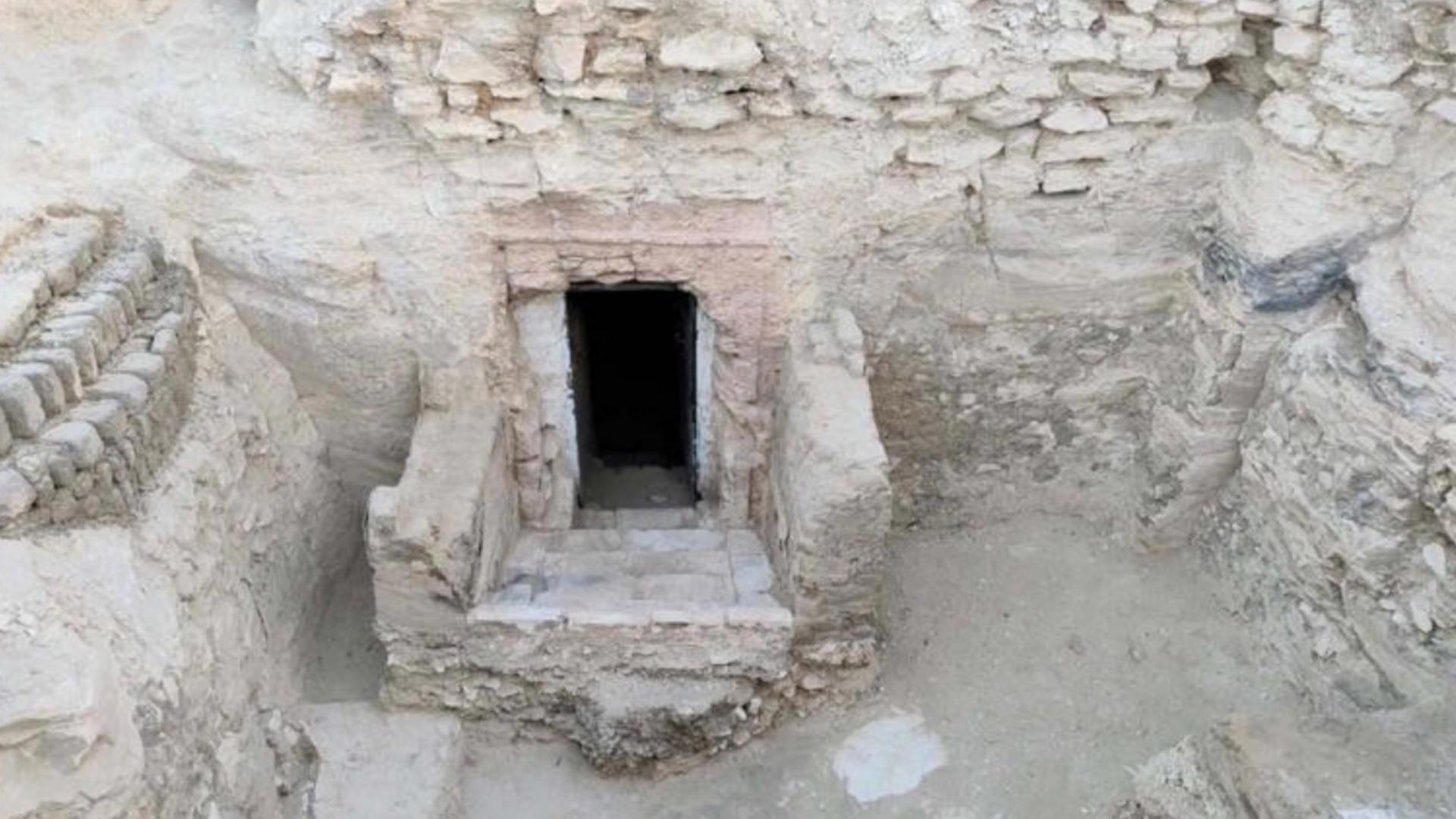
Dutch archaeologists have unearthed a 3,000-year-old tomb in Luxor, Egypt. The tomb's artistic style, evident in the inscriptions carved into its walls, suggests it dates back to the Ramesside period. This era encompasses the Nineteenth and Twentieth Dynasties of ancient Egypt. The discovery was made by specialists who identified the stylistic markers of the Ramesside period. Further analysis of the tomb's contents and inscriptions is expected to provide more insights into this significant historical find. The location in Luxor, a city renowned for its ancient Egyptian heritage, makes this discovery particularly noteworthy. The Ramesside period is known for its monumental architecture and rich artistic traditions. This tomb adds to the extensive archaeological record of this influential era in Egyptian history.
The discovery of this ancient tomb in Luxor highlights the ongoing potential for significant archaeological finds in historically rich regions. The dating of the tomb to the Ramesside period, based on stylistic analysis of inscriptions, underscores the importance of art historical methods in understanding past civilizations. This find contributes to our broader knowledge of funerary practices and artistic expression during a pivotal era in Egyptian history. Future research will likely focus on contextualizing this tomb within the existing archaeological landscape of Luxor and the Ramesside period, potentially revealing new information about social structures, religious beliefs, and artistic networks of the time.
AI-generated to prompt reflection — not editorial opinion, not advice, not a statement of fact. How this works.